
If you’re staring at your HOA handbook and feeling defeated before you even buy a chick, read this first.
Most families in Phoenix, Mesa, or Gilbert want the same thing.
They want fresh eggs. They want their kids to learn where food comes from. And they want a little slice of the "good life" in their own backyard.
But then they remember: The HOA.
The dreaded letter. The "Karen" next door. The fear of being told to tear it all down.
It’s the #1 reason people in Arizona don’t start their flock.
I’m here to tell you: The rules have changed.
You have more rights than you think.
The Law That Changed Everything (HB 2325)
In May 2024, Arizona took a massive stand for backyard chicken owners.
Governor Katie Hobbs signed HB 2325 into law.
Before this, a city could just say "No chickens" and that was that. You were stuck.
Now? The state has stepped in.
Here is the big win: Arizona law now says cities and counties cannot prohibit you from keeping chickens if you live in a single-family home on a typical lot (half-acre or less).
It is officially a "matter of statewide concern."
That means your local city council can't just ban your birds because they feel like it.
But, and this is a big "but", there are rules to follow.
The "6-Hen" Reality Check
The law isn't a free-for-all. It's a compromise.
To stay legal under Arizona state law, you have to play by these specific numbers:
- Max 6 Hens: You can keep up to six chickens. For most families of four, this is actually the "sweet spot" for eggs anyway.
- Zero Roosters: This is non-negotiable in suburban Arizona. Roosters are loud. Roosters cause complaints. If you want to keep your flock, do not get a rooster.
- The 15-Foot Rule: Your coop and enclosure must be at least 15 feet away from your neighbor’s property line.
- Rear Yard Only: Your birds need to stay in the back or side yard. No front-yard chicken displays.

"But What About My HOA?"
Here is where it gets tricky.
HB 2325 restricts cities and counties. It does not automatically erase private HOA contracts (CC&Rs).
HOAs are private agreements you signed when you bought the house.
If your HOA says "No poultry," they might still try to enforce it.
However, the tide is turning.
Because the state now says chickens are a "statewide concern," HOAs are finding it much harder to justify a total ban.
Many HOAs are updating their rules to match the state law. Why? Because they don't want a legal fight they might lose.
How to Talk "Chicken" to Your HOA Board
If your rules are fuzzy or outdated, don't just "sneak" birds in. That’s how you get a fine.
Instead, do this:
- Bring the Law: Show them HB 2325. Explain that you want to follow the state's "6-Hen" framework.
- Focus on "Nuisance": HOAs hate two things: noise and smell. Tell them you’re getting hens only (quiet) and using a sanitation plan (clean).
- The Aesthetic Argument: Most Arizona HOAs care about what things look like from the street. If your coop is hidden behind your block wall and looks professional, they usually won't care.
The "Easy Button" for HOA Approval
If you want the HOA to say "yes," you have to prove you aren't building a junkyard.
A rickety coop made of scrap pallets and chicken wire is a magnet for HOA violations.
A clean, predator-proof, professional setup is a "nothing-burger" for the board.
In Arizona, we have two enemies: Heat and Predators.
If you build a coop that solves those two problems, the HOA won't hear your birds, won't smell your birds, and won't see your birds.
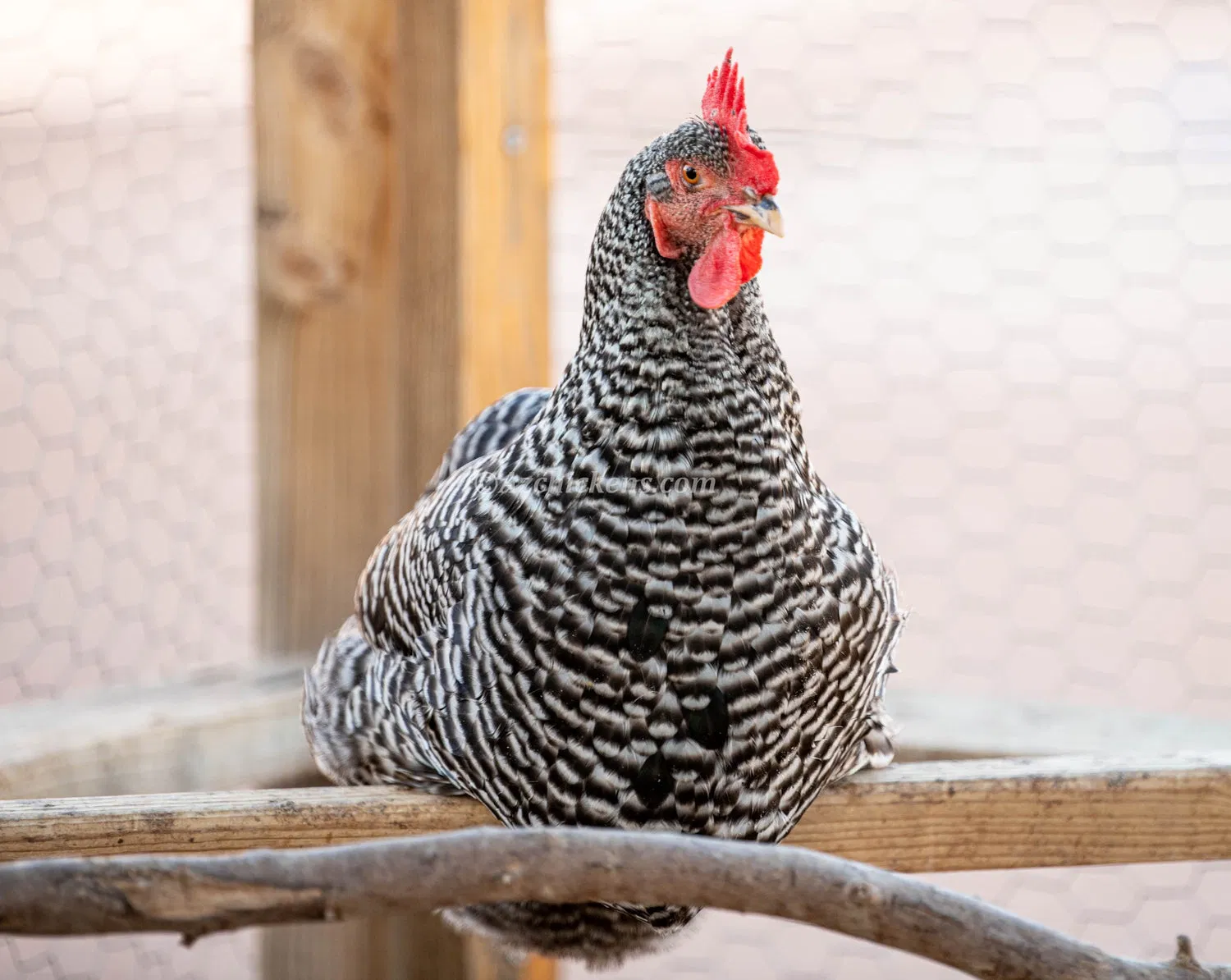
3 Things That Keep the HOA (and Neighbors) Happy:
- Hardware Cloth, Not Chicken Wire: Chicken wire looks cheap and keeps nothing out. Hardware cloth is sturdy, looks professional, and stops raccoons and bobcats.
- The Wet Sand Station: Instead of smelly misters that create humidity, use a wet sand cooling station. It keeps hens silent and cool even at 115 degrees.
- Solid Roofs: Netting looks like a mess. A solid roof provides the shade your birds need to survive the desert and keeps the "view" from the neighbors' second-story window clean.
Why We Do This
At the end of the day, this isn't about "fighting" the HOA.
It's about your family.
It's about your kids walking out to the backyard and finding a warm, blue egg in the nesting box.
It's about knowing exactly what went into the food on your table.
The "Anxious First-Timer" phase is the hardest part. You’re drowning in conflicting advice and worried about "getting in trouble."
You don't have to guess.
We’ve already done the homework for the Arizona climate and the Arizona legal landscape.
We’ve vetted the breeds that survive the heat and the equipment that survives the HOA "sniff test."
Your 4-Step HOA Survival Checklist
- Check your CC&Rs: Look for the words "poultry," "livestock," or "fowl."
- Verify your lot: Are you a single-family home on less than 0.5 acres? (The state law protects you).
- Plan for Hens ONLY: No roosters. Seriously. Don't do it.
- Build it Right: Use a professional setup that stays 15 feet away from the wall.

Ready to Start Your Arizona Flock?
Don’t get stuck in "analysis paralysis."
If you’re ready to move from "worried neighbor" to "confident flock owner," we have the roadmap ready for you.
We have curated a list of exactly what works in a suburban Arizona backyard: from heat-hardy breeds like the Australorp and Easter Egger to the specific supplements that keep them laying through a Phoenix July.
See everything we recommend for a thriving (and HOA-friendly) Arizona flock at azchickens.com/pages/recommended.