
You’ve finally done it. You’ve committed to the dream of fresh eggs, the soft "cheep-cheep" sounds in the backyard, and the absolute joy of raising your own flock. But then, you open a forum or a Facebook group and see the horror stories: "I lost half my brood overnight," or "My chicks are lethargic and I don't know why."
Suddenly, that excitement turns into "Anxious Beginner Syndrome." We get it. At AZ Chickens, we hear these concerns every day. The truth is, baby chicks are fragile biological engines. In their first few weeks, they are transitioning from living off a yolk sac to navigating a world full of temperature swings, bacteria, and physical hazards.
The good news? Most chick mortality is preventable. We’ve distilled the "danger zone" into seven specific mistakes that beginners often make, and more importantly, we’ve built the AZ Chickens Survival System to help you avoid the heartbreak of an empty brooder.
Key Takeaways for Success
- Bedding Matters: Never use newspaper; it causes permanent leg deformities.
- Heat Stability: A consistent 95°F for the first week is non-negotiable.
- Sanitation is Life: Coccidiosis is the #1 killer, and it thrives in damp bedding.
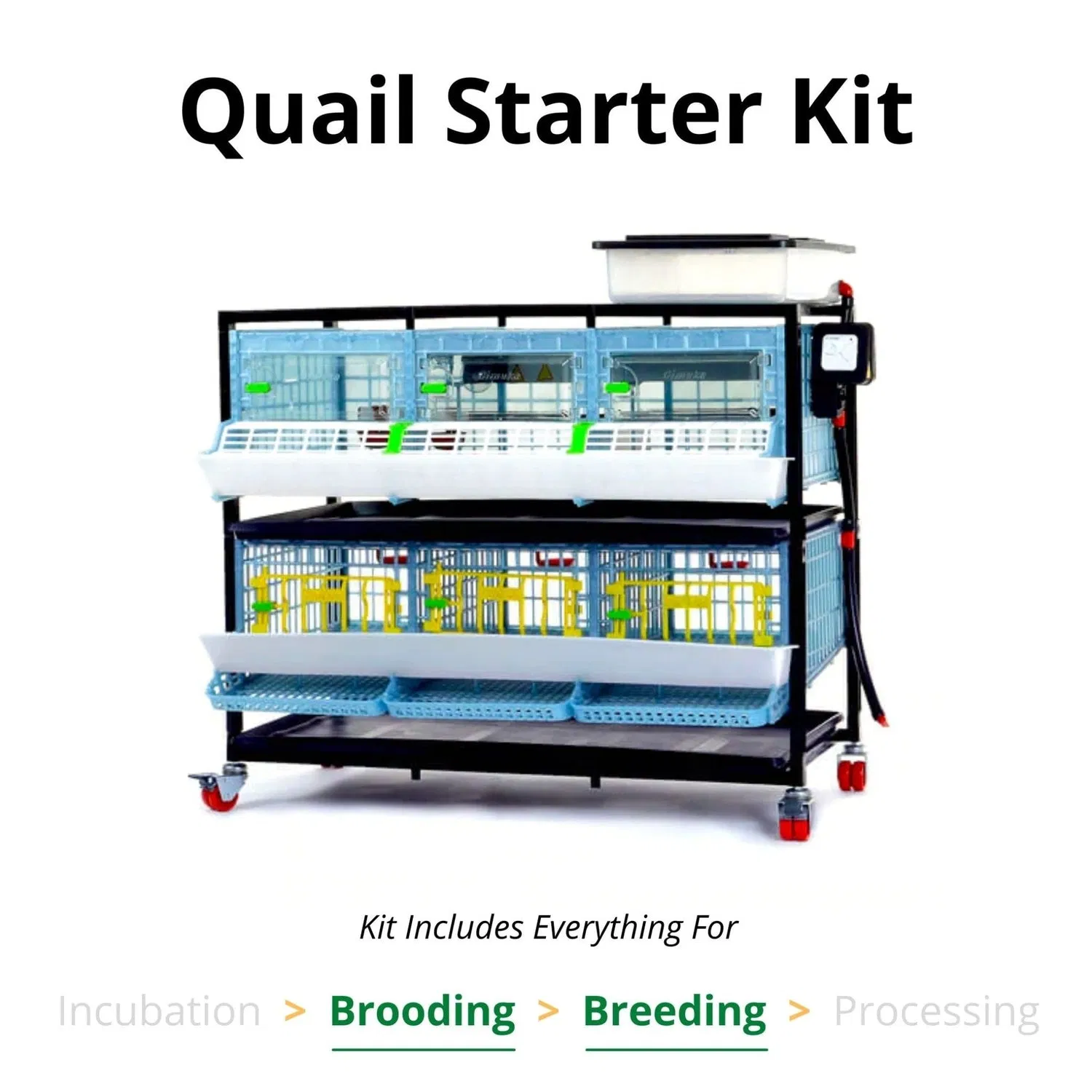
- Starter Kits: Our chick starter kits take the guesswork out of the first 48 hours.
- Observation: Your chicks’ behavior tells you more than any thermometer ever will.
1. The "Slip and Slide" (Using the Wrong Bedding)
One of the most common mistakes happens before the chicks even arrive. Beginners often reach for what’s handy: old newspapers or shredded office paper.
The Problem: Newborn chicks have fragile joints. Newspaper is slick. When a chick tries to walk on a slippery surface, its legs slide outward, a condition known as "splayed leg" or "spraddle leg." If not caught within hours, this can become a permanent disability, making it impossible for the bird to reach food or water. Furthermore, cedar shavings, while smelling great to humans, contain aromatic oils that can irritate a chick’s delicate respiratory system.
The Survival Fix: We recommend kiln-dried pine shavings (medium flake). They provide the grip necessary for bone development and the absorbency needed for hygiene. In our Chick Starter Kits, we provide guidance on the exact bedding depth (at least 1–2 inches) to keep your birds upright and healthy.
2. Improper Temperature Control (The Chilling Effect)
Chicks cannot regulate their own body temperature until they are fully feathered (around 6–8 weeks). If they get too cold, their metabolism slows down, their immune system crashes, and they "shut down."
The Problem: Beginners often underestimate how much heat a chick needs. 75°F might feel warm to you, but to a day-old chick, it’s a freezer. Conversely, overheating is just as deadly; a chick that can’t escape a 105°F heat lamp will dehydrate in a matter of hours.

The Survival Fix: Start your brooder at 95°F for the first week. Each subsequent week, drop the temperature by 5 degrees. The easiest way to manage this is through the heating solutions found in our chick starter kits.
| Week | Target Temperature | Chick Behavior to Watch For |
|---|---|---|
| Week 1 | 95°F | Evenly spread out, active peeping |
| Week 2 | 90°F | Exploring the edges of the brooder |
| Week 3 | 85°F | Starting to develop "scruffy" wing feathers |
| Week 4 | 80°F | More time spent away from the heat source |
3. The Fire Hazard (Unsecured Heat Lamps)
This mistake doesn't just kill chicks, it can burn down garages. The standard "clamp lamp" from the hardware store is notorious for failing.
The Problem: The silver clamps provided with cheap heat lamps often lose their tension. If the lamp falls into dry pine shavings, it takes less than 60 seconds for a fire to start. Even if it doesn't start a fire, a lamp falling into the brooder will likely cook the chicks instantly.
The Survival Fix: We advocate for "Chain and Carabiner" security. Never trust a clamp. All our recommended brooder setups emphasize secondary safety tethers. Or, better yet, we suggest moving to radiant heat plates which are fire-safe and mimic the warmth of a mother hen.
4. Coccidiosis: The Invisible Killer
If a chick looks "puffy," lethargic, or has blood in its droppings, you are likely dealing with Coccidiosis.
The Problem: This is a parasitic disease of the intestinal tract caused by coccidian protozoa. It spreads like wildfire in damp, warm bedding (the exact environment of a brooder). It is the leading cause of death for backyard flocks globally.
The Survival Fix: Prevention is better than a cure. Our survival strategy includes the use of Southland Organics Probiotics and natural herbal blends. By strengthening the chick's gut microbiome from Day 1, we make them "unhospitable" to parasites.

5. Pasty Butt (The Silent Blockage)
It sounds funny, but it’s a leading cause of sudden chick death in the first week.
The Problem: Stress (from shipping or temperature swings) can cause a chick’s droppings to become extra sticky. This waste dries and hardens over the chick’s vent (where they poop). If the vent is sealed shut, the chick cannot eliminate waste, leading to internal toxicity and death within 24 hours.
The Survival Fix: In our chick care process, we emphasize a "Vent Check" protocol. We teach our customers to inspect every bird daily for the first week. If you see a blockage, a warm paper towel and a little dab of vegetable oil solve the problem instantly. Choosing hardy breeds that are bred for vigor also helps minimize these stress-related issues.
6. The Drowning Trap (Deep Water Dishes)
Baby chicks are surprisingly clumsy and top-heavy.
The Problem: If you put a standard bowl of water in a brooder, a chick will eventually fall in. Once their downy feathers get wet, they lose all body heat. If they don’t drown outright, they often die of hypothermia shortly after.
The Survival Fix: Use chick-specific gravity waterers with narrow troughs. In our Starter Kits, we even recommend adding clean marbles or pebbles to the water tray. This allows the chicks to drink between the stones but prevents them from being able to submerge their bodies.
7. Lack of Protection (The "Family Pet" Factor)
You might trust your golden retriever, but a chirping, fluttering chick triggers a predatory drive in even the most "chill" dogs and cats.
The Problem: Most beginner brooders are open-top plastic tubs. It takes one second for a cat to reach in or a curious toddler to squeeze a chick a little too hard.
The Survival Fix: Every AZ Chickens survival setup includes a secure, hardware-cloth lid. This isn't just about keeping predators out; it's about keeping the chicks in as they learn to fly (which happens much sooner than you’d think!).
8. Using Low-Protein or Low-Quality Feed (The Growth Stall)

Feed mistakes are quiet—until they aren’t. Many first-time owners grab “all flock,” “scratch,” or a cheap bag that looks fine on the shelf, then wonder why chicks are weak, slow, or suddenly crashing after shipping.
The Problem: Baby chicks are building organs, immune defenses, muscle, and feathers at warp speed. If they don’t get enough usable protein and nutrients, they can’t recover from shipping stress, they don’t thermoregulate as well, and their immune system stays underpowered right when it matters most. For chicks, protein isn’t a “nice-to-have”—it’s survival fuel.
As a baseline, baby chicks need a minimum of 20% protein in a quality chick starter to thrive in the first weeks. Below that, you’re more likely to see poor growth, lethargy, messy droppings, and a flock that never quite “catches up.”
The Survival Fix: Treat nutrition like survival insurance, especially in the first 14 days. That’s why we explicitly recommend the AZ Chickens Starter Bundle as the no-guesswork foundation for new owners. It’s designed to cover the two biggest rookie risks at once: underfeeding protein and missing key micronutrients when chicks are most fragile.
Inside the system, Fertrell Nutri-Balancer is the foundation for early health and long-term success. It helps fill nutritional gaps that show up fast in real life (stress, inconsistent intake, rapid growth), so your chicks don’t have to “tough it out” on luck alone.
If you want the simplest rule: 20%+ protein chick starter + Fertrell Nutri-Balancer from Day 1 gives chicks the best odds of staying strong, bouncing back from shipping, and growing into productive, resilient adults.
Why the AZ Chickens Survival System is Different
At AZ Chickens, we don't just sell you a bird and wish you luck. We know that the first 72 hours determine the next 10 years of your flock’s productivity. That is why we developed our chick starter kits.
Instead of hunting for the right heat lamp, the right probiotics, and the right feed, we’ve bundled them into a "Done-For-You" system. When you order from our chick collections, you aren't just getting birds; you're getting a protocol designed by experts who have raised thousands of hardy, resilient poultry.
The "Secret Sauce": Herbal Support
We believe in working with nature, not against it. Our survival system integrates Assorted Natural Herbal Blends that support respiratory health and immune strength.

By using these blends, like BreatheRight and StrongHen, you are giving your chicks a biological "armor" that helps them survive the common mistakes mentioned above.
Conclusion: You’ve Got This!
Raising chickens is one of the most rewarding things you can do for your family. Yes, there are risks, and yes, chicks are small: but they are also remarkably resilient when given the right start.
By avoiding these seven common mistakes and using a proven approach like our chick starter kits, you're moving from a "hopeful beginner" to a "confident flock master." We do the hard work of selecting the hardiest breeds and testing the best equipment so you can focus on the fun part: watching your backyard flock thrive.
Ready to start your journey with confidence? Shop our chicks and starter kits today and let’s build your dream flock together.