
It starts small. You want a few hens. Then you add a few more. Then a few more after that. Now the coop is full, the run is tight, and the birds are stressed.
That is chicken math.
Chicken math sounds funny. But it can turn into a real problem fast. Too many birds in too little space leads to heat stress, bullying, dirty water, and sick chickens. The good news is simple: check the numbers before the flock pays the price.
Key Points
- Chicken math gets expensive fast: More birds need more space, more feeder room, more water, and more cleanup.
- Too many birds in one coop causes stress: Overcrowding can lead to overheating, pecking, weak immune systems, and lower egg production.
- Heat makes crowding worse: In hot weather, packed birds cannot cool themselves well.
- Simple checks prevent big problems: Measure coop space, count feeder space, and check water access before adding birds.
- A Flock Rx consult helps catch trouble early: It shows if your setup fits the number of birds you have right now.
The Problem: Too Many Birds, Too Little Coop
This is the most common chicken math mistake.
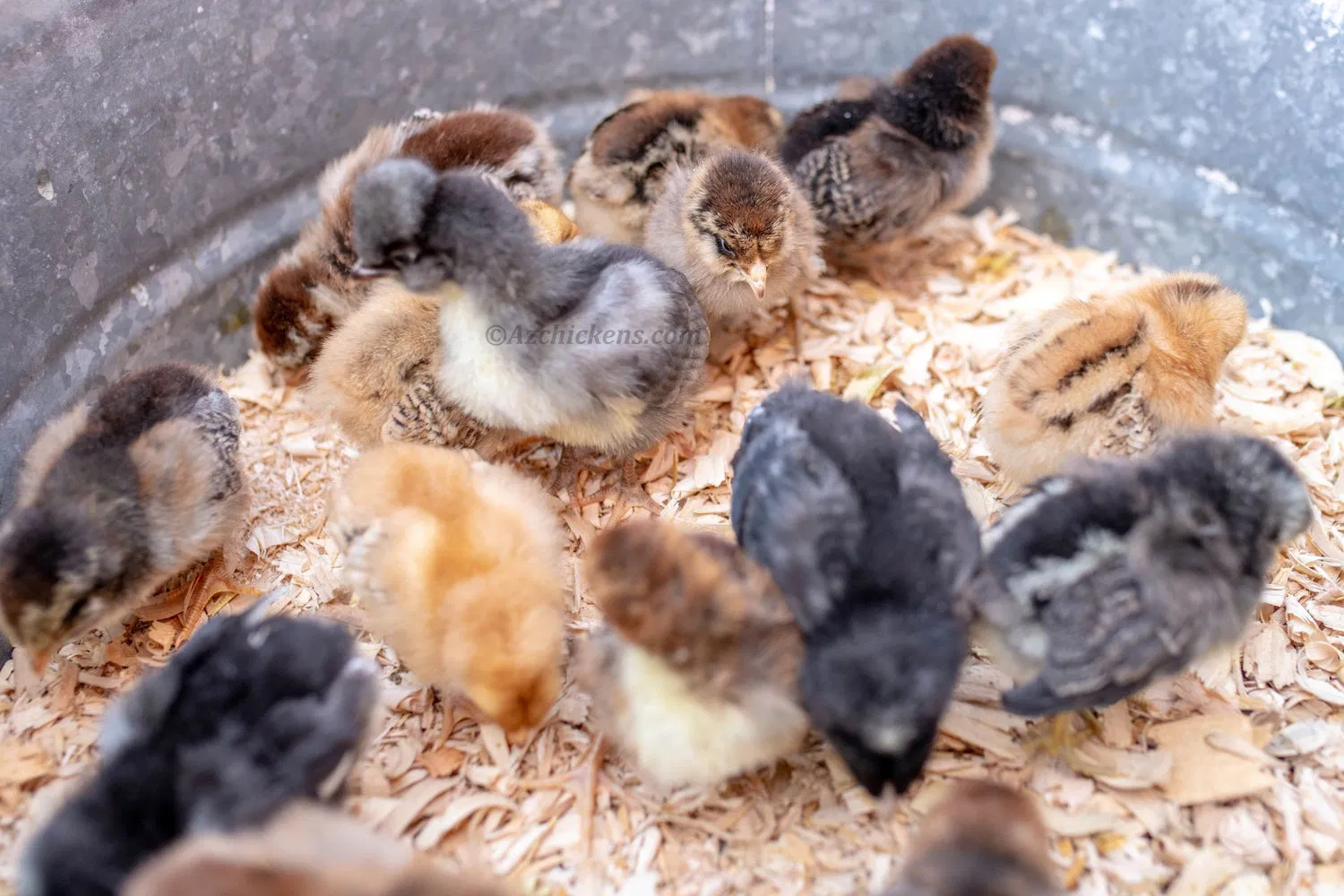
A family starts with six chicks. Then they keep eight. Then they grab four more because they want blue eggs. Soon they have eighteen birds in a coop built for eight. The birds did not change. The math did.
When chickens are packed too tightly, they cannot move away from each other. That raises stress. It also raises moisture, manure load, and heat inside the coop. In Arizona and other hot climates, that can become dangerous very fast.
The Concept: The Math of Survival
Chicken math is really survival math.
Each bird needs enough room to rest, eat, drink, and get away from stronger birds. Each bird also adds body heat, waste, and pressure on your feeders and waterers. When the number of birds goes up, the space and equipment must go up too.
This is why space is not just a comfort issue. It is a health issue. Overcrowding raises cortisol, which is a stress hormone. High stress weakens the immune system. It also increases bullying, feather picking, and disease spread.
Quick Space Guide
Use this table to see if your flock size matches your setup:
| Area | Standard Bird | Bantam Bird |
|---|---|---|
| Indoor Coop Space | 4 square feet per bird | 2 square feet per bird |
| Outdoor Run Space | 10 square feet per bird | 5-8 square feet per bird |
| Roost Space | 8-10 inches per bird | 6 inches per bird |
| Nesting Boxes | 1 box per 3-4 hens | 1 box per 4-5 hens |
If the coop math does not work, the flock setup does not work.
Examples: How Overcrowding Turns Into Heat Stress
Hot weather makes chicken math worse.
Chickens already struggle to cool down because they do not sweat. They release heat by panting, lifting their wings, and moving air across their bodies. When too many birds are jammed into one coop, airflow drops and body heat builds up.
Here is what that can look like:
Example 1: Full Coop, Hot Afternoon
A coop built for 8 birds now holds 14. By late afternoon, the inside air is hotter than the outside air. Birds crowd near the door, pant hard, and stop eating. Egg production drops because survival comes before laying.
Example 2: Not Enough Feeder Space
Ten birds can eat at once, but sixteen birds live in the run. Stronger hens guard the feeder. Weaker birds eat less, lose condition, and become easier targets for bullying.
Example 3: One Waterer for a Growing Flock
A small flock may do fine with one water source. A larger flock in summer may empty it fast or foul it early in the day. That means some birds drink late, drink less, or drink dirty water. In heat, that is a serious risk.

Checklist: Do a Fast Density and Feeder Check
Before adding more birds, walk through this quick checklist.
Density Check
- Count every bird in the flock.
- Measure total indoor coop space.
- Measure total outdoor run space.
- Divide square footage by bird count.
- Compare your numbers to the chart above.
Feeder Check
- Watch feeding time.
- Make sure timid birds can eat without getting pushed away.
- Add more feeder space if dominant hens control access.
- Check that all birds can reach clean water easily.
Heat Stress Check
- Look for panting, wing spreading, and crowding near shade or doors.
- Smell for ammonia buildup inside the coop.
- Check if the coop stays hot after sunset.
- Notice drops in egg production, appetite, or activity.
If any of these checks fail, the answer is not more birds. The answer is better math.

Hook: Avoid the Math Disaster With a Flock Rx Consult
Most people do not need more chickens first. They need a better setup first.
A Flock Rx consult helps show if the coop, run, feeder space, water setup, and heat plan actually match the number of birds on the property. It takes the guesswork out. That matters most when the flock is growing faster than the system around it.
At AZ Chickens, the goal is simple: help chicken keepers spot problems early, reduce losses, and build a flock that can actually thrive. Chicken math does not have to end in stress, sickness, or summer losses.
Conclusion: Good Chicken Math Keeps Birds Alive
More birds sound fun. But bad math makes hard days.
When the flock outgrows the coop, survival drops. Heat stress goes up. Bullying gets worse. Feeders and waterers stop working for the number of birds you have. That is why smart flock owners check the numbers before they add more birds.
If your flock feels crowded, your birds seem stressed, or your setup is not keeping up, avoid the math disaster with a Flock Rx consult. A simple check now can save a lot of trouble later.