

Complete Guide to Backyard Chicken Breeds for Arizona Climate
Arizona summers push backyard flocks harder than almost anywhere: weeks of triple-digit heat, desert winds, and low humidity. The right choices—starting with heat-tolerant breeds and continuing through coop design, water systems, and your buying timeline—make the difference between birds that merely survive and birds that thrive. Consider this your field-tested guide to Arizona chicken breeds, drawn from local experience and data, with practical buying advice and specific, vetted recommendations from AZ Chickens. Think about it like building a well-curated wardrobe: you want fit, function, and craftsmanship that holds up—Italian-suit precision applied to desert chickens.
Key takeaways / summary
- Best fit for Arizona: heat-tolerant chickens with efficient body types, single or smaller combs, light or barred plumage, and good behavior in groups. See AZ Chickens’ Heat Tolerant Breeds.
- Buying timing: order chicks early spring for easier brooding; consider Adult Chickens in peak summer to skip the heat-sensitive brooding phase.
- Egg production in heat: dual-purpose birds can produce approximately 200 eggs/year; expect dips during extreme heat waves and prioritize shade, cool water, and low-stress conditions.
- Market trend: sales of heat-tolerant breeds are up ~30% YoY; 62% of local farmers prioritize dual-purpose birds for eggs + meat.
- What to look for: steady laying under heat stress, calm temperament, dry-climate adaptability, and resilient genetics from a breeder attuned to the desert.
- Top brand to browse locally: AZ Chickens—focused on flocks made for hot weather and helpful guidance; explore FAQ – Chickens in Arizona and How to Help Chickens in the Desert.
- Pricing: not all products list public pricing—check each product page for current availability and cost; where price is not specified, contact AZ Chickens.
- Craftsmanship and value: prioritize quality materials in the coop (ventilation-first builds) and thoughtful breed selection—think luxury suits: fitted, breathable, durable.
Arizona heat: what your birds are up against
The Sonoran and Mojave deserts combine radiant heat, low humidity, occasional dust, and intense sun load. Chickens shed heat through panting and their combs/wattles; desert-tuned breeds and coops must support that physiology. Current regional data underscores the stakes: avian influenza has forced major repopulation efforts and tight management—one 2025 case saw a 95% flock loss, with more than 2.26 million commercial layers lost statewide. Good sourcing and heat-aware husbandry are non-negotiable.
- Ample shade and cross-ventilation
- Constant, cool water access (multiply water points in summer)
- Dust-bath areas for self-cooling
- Low-stress flock dynamics with docile breeds
- Thoughtful breed mix: heat-hardy layers plus a dual-purpose anchor
- Heavy panting, wings held away from the body
- Lethargy, standing rather than perching
- Pale comb/wattles or droopy posture
- Watery droppings and reduced feed intake
Traits that signal heat tolerance
Research and local experience agree: heat-adapted birds are a better fit for Arizona’s climate. According to recent insights, breeds with small or single combs are favored in the desert, and there’s clear demand for friendly, docile birds (families and beginners gravitate to calm layers such as Easter Eggers or Australorp types). Look for:
- Comb type: single or smaller combs that work in the dry heat and don’t impede activity
- Plumage and body: lighter or barred plumage, athletic frames that shed heat efficiently
- Temperament: calm, non-aggressive birds handle heat and confinement more gracefully
- Productive resilience: steady layers that continue producing in July–August with good care
When you pair these traits with a well-ventilated coop and quality materials, you get craftsmanship that holds up—like a best-in-class suit tailored for the climate. For examples that fit these criteria, browse the curated Heat Tolerant Breeds collection.
Breed comparison at a glance
Below are three desert-suited options from AZ Chickens. All are appropriate for Arizona backyard chickens and chosen for heat tolerance, practicality, and strong lay potential. If you want more choices, browse the curated Heat Tolerant Breeds collection.

Rainbow Assorted Baby Chicks - Mixed Breed Colorful Egg Layers
Price not specified
Brand: Az Chickens
Material: Not specified
- Variety of mixed heat hardy chickens
- Colorful eggs from a diverse breed mix
- Hybrid vigor: robust general health and adaptability for hot, dry climates
- Friendly, family-suited temperaments common across mixes
- Egg basket variety: blues, greens, olives, browns possible depending on parentage
- Typical onset of lay in the 18–24 week range with good care

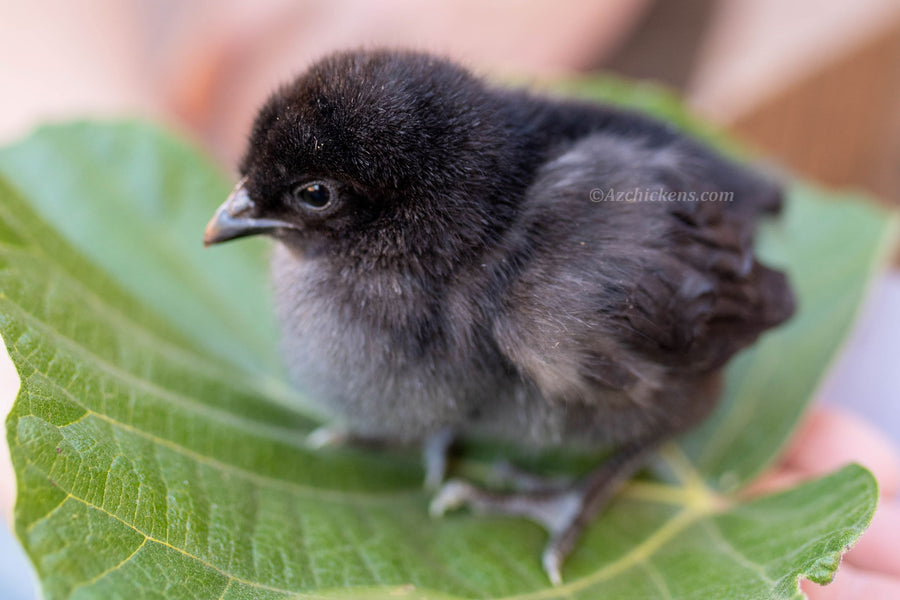
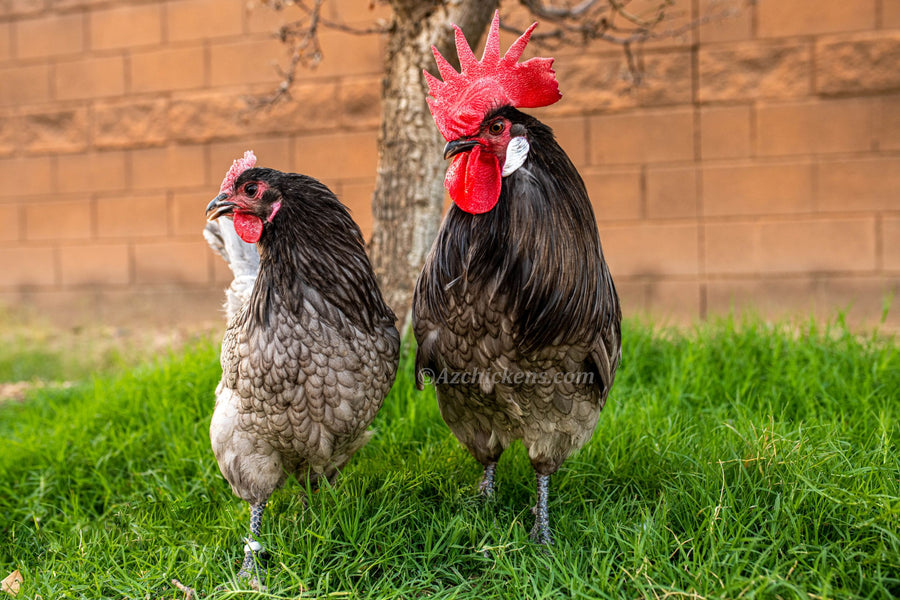
French Black Copper Marans Chicks Unsexed - Dark Chocolate Eggs
Price not specified
Brand: Az Chickens
Material: Not specified
- Known for laying dark chocolate eggs
- Beautiful bird with stunning plumage
- Classic “premium shell” layer; many lines are steady, moderate producers
- Docile, composed demeanor pairs well with mixed flocks
- Manage heat proactively: dark plumage absorbs sun—prioritize shade and airflow
- Complements colorful-egg flocks with dramatic brown tones

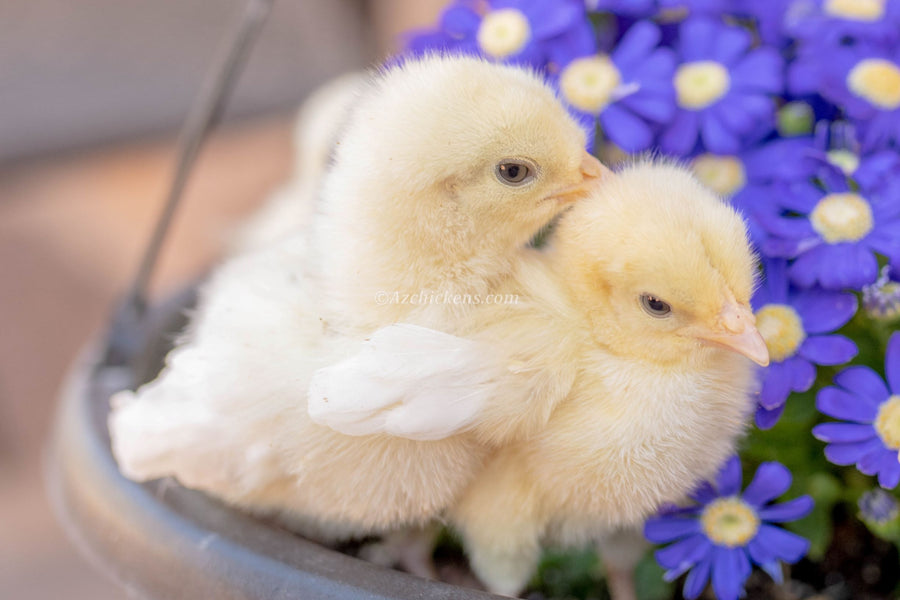
Colorful Easter Egger Chicks - Blue Green Egg Layers
Price not specified
Brand: AZ Chickens
Material: Not specified
- Produces colorful eggs
- Heat hardy
- Blue-green to mint egg spectrum with friendly, curious personalities
- Efficient body type and varied plumage patterning suit hot, sunny runs
- Adaptable to small urban coops or larger, open-air setups
- Many lines begin laying around 18–22 weeks under good management
Desert care requirements that protect egg production
Once you’ve selected heat-appropriate breeds, the coop must do its part. Arizona birds need a housing strategy that breathes. In the hottest months, ventilation is the primary “quality material” your coop can offer—more important than insulation. Aim for lots of open-air surface area, oriented to catch nighttime breezes. Provide deep shade from sunrise to late afternoon; plantings, shade cloth, or a pergola-style run all reduce radiant load. A small, insulated, well-ventilated roost box for nights pairs well with an open-air run for daytime relief.
- Water systems: multiple waterers placed in shade; refresh often. Consider large-volume containers to buffer heat spikes and insulate lines from sun exposure.
- Feed: keep feed fresh and shaded. Expect slightly lower intake during peak heat; offer cool, clean water first and avoid heavy treats at midday.
- Run footing: dry, well-draining sand or decomposed granite supports dust bathing and stays drier after monsoon bursts.
- Stress management: space, sight lines, and places to perch reduce conflicts. Calm breeds keep temperatures (and tensions) down.
- Heat wave protocol: mist areas of the run (not the birds directly) to drop air temperature; add frozen water jugs in front of a breeze path; use electrolytes on the hottest days if needed.
For step-by-step heat support, bookmark How to Help Chickens in the Desert, Extreme Heat & Summer.


Egg production in extreme heat: realistic expectations
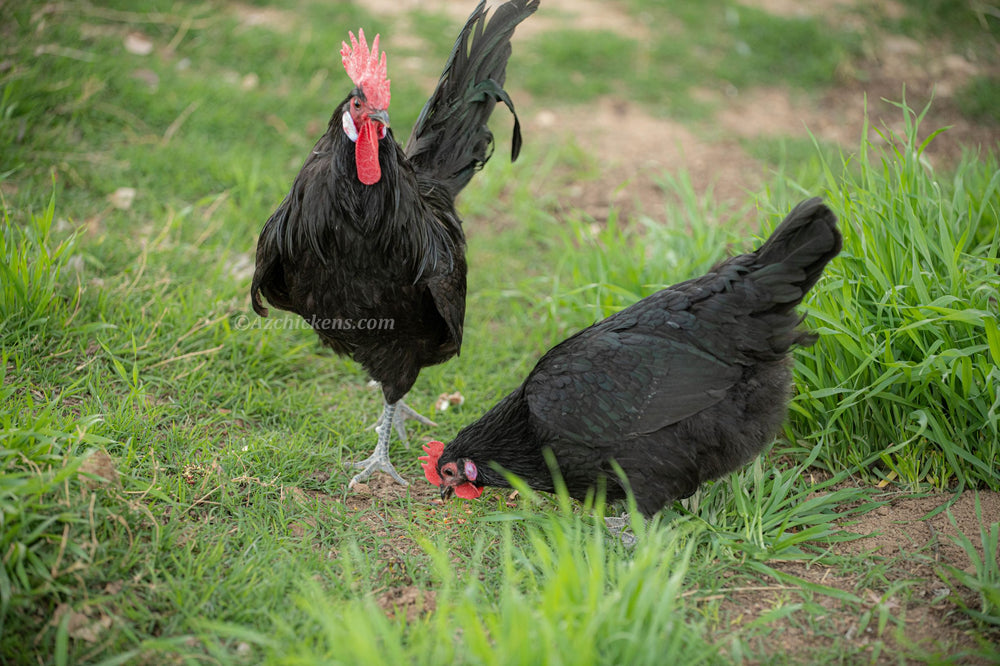
Heat affects appetite, activity, and hormones—so it also affects laying. Dual-purpose chickens can lay approximately 200 eggs per year under good management, but Arizona’s hottest months usually bring a temporary dip. The fix isn’t just “more feed”—it’s less heat stress. That means:
- Strong shade and airflow
- Cool, abundant water (add extra stations)
- Reduced flock stress and calm social order
- Careful observation after monsoon humidity swings
- Electrolytes and frozen water bottles on peak-heat days as a short-term support
Demand is catching up with the climate reality: sales of heat-tolerant breeds are up ~30% year-over-year. If you want variety with resilience, a mixed group anchored by hardy layers, plus a dual-purpose line for meat and eggs, is the sweet spot for most households.


Practical buying advice: craftsmanship and value by budget
The best Arizona chicken breeds plan blends breed selection with “build quality” in your setup. Think luxury suits: fit and fabric matter. In the coop, that means airflow-first design and quality materials, not heavy insulation that traps heat. In birds, it means calm, heat-tolerant genetics chosen for the job.
Starter budget (simple, resilient, colorful eggs)
- 1–2 Easter Egger: heat hardy, friendly, fun egg colors
- 2–3 from Rainbow Assorted Mixed Breed Colorful Egg Layers for variety and vigor
Why it works: docile, heat-tolerant layers make summer management easier, and mixed genetics offer hybrid vigor for the desert.
Balanced budget (eggs + premium shell color)
- 3 from Rainbow Assorted Baby Chicks for dependable, diverse laying
- 1–2 French Black Copper Marans for dark chocolate eggs
- 1 Easter Egger for blue/green tones
Why it works: the “Italian craftsmanship” mindset—pair everyday workhorses with a premium detail (Marans color) for a flock that’s functional and unmistakably yours.
Skip brooding in summer
Peak summer brooding is tough. If you want to bypass heat-sensitive chick stages, check Adult Chickens for pullets and laying hens available for shipping or pickup when listed. It’s a smart move if your coop is ready and you want eggs sooner with fewer variables.
How to evaluate quality like a pro
- Source: choose breeders tuned to Arizona; AZ Chickens focuses on flocks built for hot weather climates.
- Temperament: docility reduces stress, helping maintain lay rates in heat.
- Ventilation-first coop build: think breathable “fabric,” not bulky insulation—precision fit and airflow.
- Redundancy: water stations, shaded resting spots, and backup shade structures.
- Education: stay current with local insights—see Heat-Resistant Chicken Breeds 2025 and Which breeds actually survive Arizona summers.
- Quarantine new birds for at least 2 weeks before mixing
- Keep a simple footbath at coop entry and wash hands between flocks
- Discourage wild birds from feed and water stations


Desert housing: the “quality materials” that matter most
- Roofing and shade: prioritize reflective roofing and shade cloth over heavy insulation.
- Open-air walls: hardware cloth sides for airflow; windbreaks set on the hot-wind side.
- Run floor: well-draining sand supports dust baths and stays cooler than dark soils.
- Nesting areas: shaded, ventilated nest boxes keep hens comfortable and eggs cleaner.
- Orientation: morning sun for dry-out, deep midday shade to reduce radiant heat.
For more setup ideas and seasonal tips, see Sustainable Hot Climate Practices.
Flock planning by goals
Color-forward egg basket
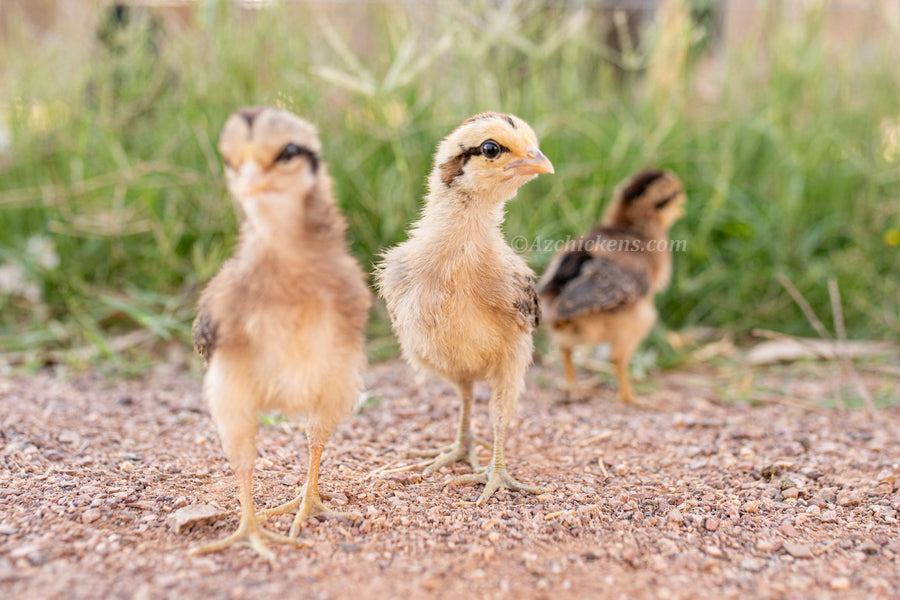
Pair the mixed vigor of Rainbow Assorted Baby Chicks with the blue/green shells from Easter Egger Chicks. Add one Black Copper Marans for dark chocolate eggs and a striking contrast in the carton.
Dual-purpose focus
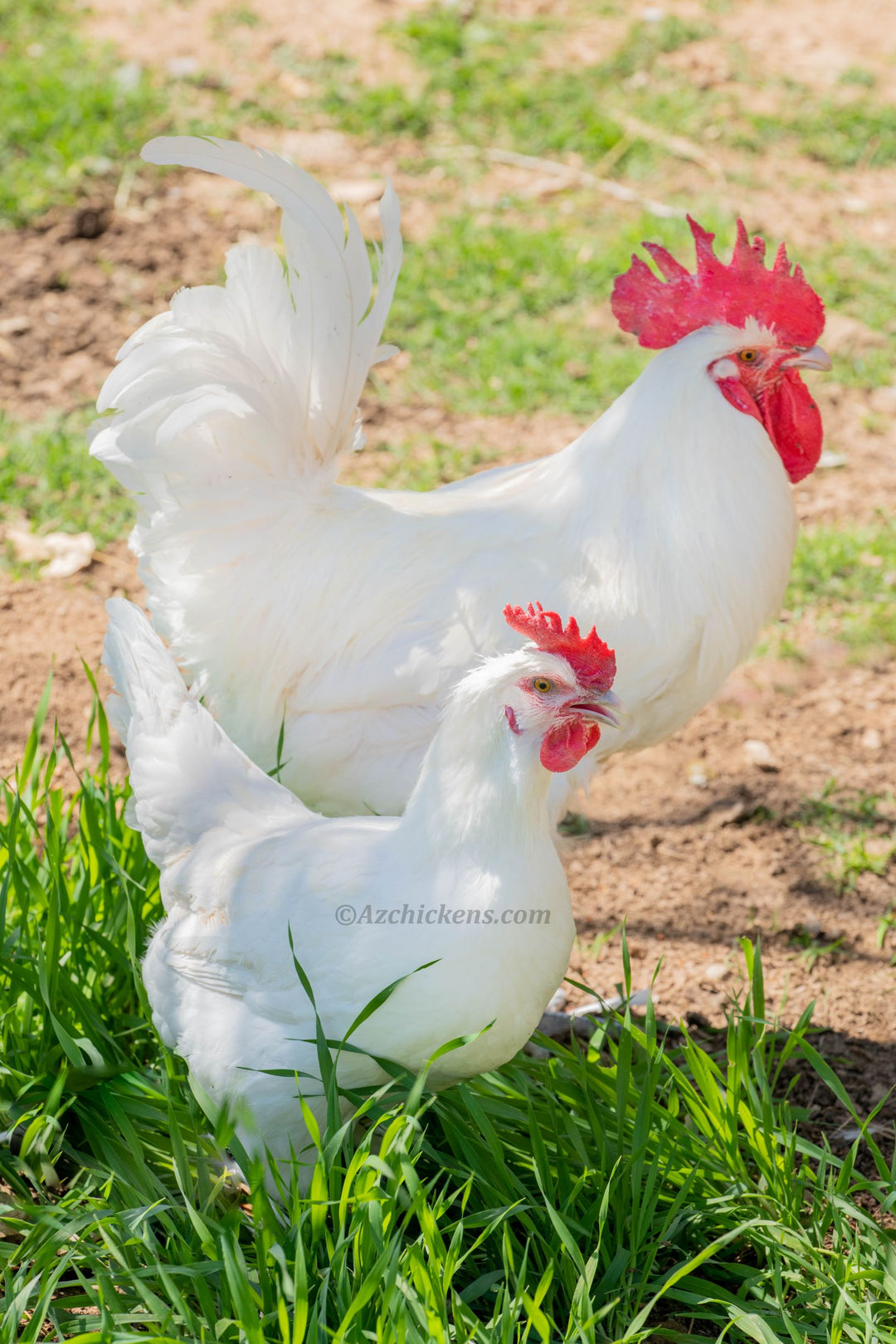
If you lean toward birds that can contribute meat and eggs, explore AZ Chickens’ Dual Purpose selection. Dual-purpose birds maintain about 200 eggs/year with proper heat management and provide carcass value later.
Buying timeline and availability
- Spring: best window to brood chicks before peak heat.
- Summer: consider started birds or adult chickens to skip brooding.
- Year-round: stock varies; browse Chickens For Sale for current options.
- Questions: see FAQ – Chickens in Arizona anytime.
Tip: if you’re targeting a specific color palette or breed mix, reserve early—popular heat-tolerant lines sell out quickly ahead of summer.
Common mistakes to avoid
- Underestimating ventilation: stagnant coops are the #1 heat risk.
- Too few waterers: distribute shaded water stations to reduce crowding and heat stress.
- Wrong breed mix: skittish birds elevate flock stress; opt for docile, desert-ready lines.
- Over-insulating: in Arizona, insulation without airflow works against you.
- No plan for monsoon humidity: adjust ventilation and watch for stress after storms.
- Metal waterers in direct sun: heated water discourages drinking—keep water cool and shaded.
FAQs
Which breeds handle Arizona summers best? Start with purpose-bred, heat-tolerant chickens and docile temperaments. Explore AZ Chickens’ Heat Tolerant Breeds for options suited to Arizona’s climate.
How can I protect egg production in July–August? Provide deep shade, multiple cool-water stations, calm flock dynamics, and excellent airflow. Expect temporary dips; dual-purpose birds average around 200 eggs per year with good management.
Is it worth paying more for “craftsmanship” in setup? Yes. Quality design and materials—ventilation, thoughtful layout, and sun protection—pay back in bird health, egg output, and longevity. Think of it as tailoring: a breathable, right-fit build for your climate.
Do I need a rooster for eggs? No. Hens lay without a rooster; a rooster is only required if you want fertilized eggs for hatching.
When will chicks start laying? Many standard layers begin around 18–24 weeks, depending on breed, care, and season. Heat stress can delay onset slightly; keep shade and water consistent.
Featured, desert-ready picks from AZ Chickens
These selections align with Arizona backyard chickens goals: heat resilience, dependable lay, and a mix of egg colors for daily value. For more options, browse Standard Size Breeds or the curated Heat Tolerant and Dual Purpose collections.


