

Heat-Tolerant Chicken Breeds: Which Ones Actually Survive Arizona Summers
When summer temps sit at 108–115°F for weeks, not every chicken makes it. At AZ Chickens, our selection and husbandry advice are built around what actually performs in the desert: breeds that keep laying in heat waves, tolerate extreme radiant heat at dusk, and bounce back quickly after monsoon humidity spikes. This guide distills practical, field-tested buying advice and care tactics drawn from our Southwest program and the resources we publish, including the Heat-Resistant Chicken Breeds 2025 report.
Key takeaways and buyer summary
- Strongest breed categories for extreme heat (Arizona-tested): Mediterranean egg breeds (Leghorn, Minorca, Andalusian), Egyptian Fayoumi, and Naked Neck (Turken). These lines shed heat well, recover fast after monsoon humidity, and maintain lay better than heavy-feathered heritage types. See Heat-Resistant Chicken Breeds 2025 for the full overview.
- Good dual‑purpose compromises: Rhode Island Red, New Hampshire, Welsummer, and Plymouth Rock. They’re workable with shade, airflow, and abundant water access.
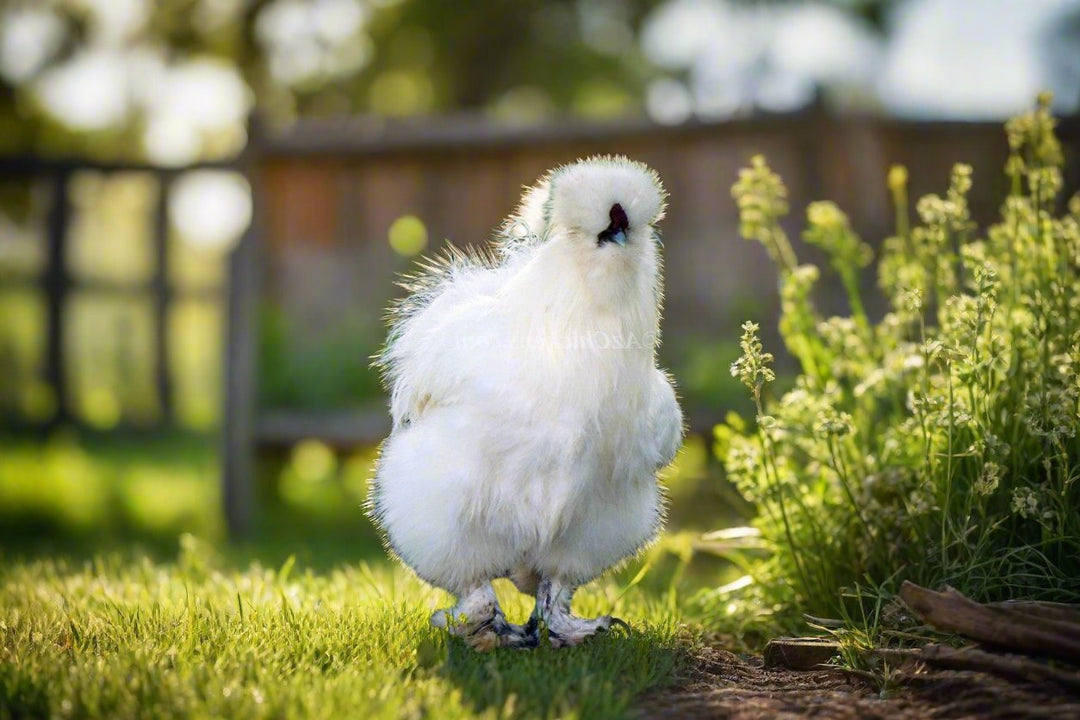
- Not ideal for peak desert heat: Very heavy, fluffy, or feather‑legged types (e.g., Orpingtons, Cochins, Brahmas, and most Silkies) unless you commit to aggressive cooling strategies.
- Care matters as much as breed: Shade, high airflow, large cool-water availability, and heat-conscious nutrition are decisive. Start with our Sustainable Hot Climate Practices and Housing & Environment guides.
- Buying formats that fit your budget: Adults, juveniles, chicks, and hatching eggs are available seasonally; see How to buy adults, juveniles, chicks, or hatching eggs for current options.
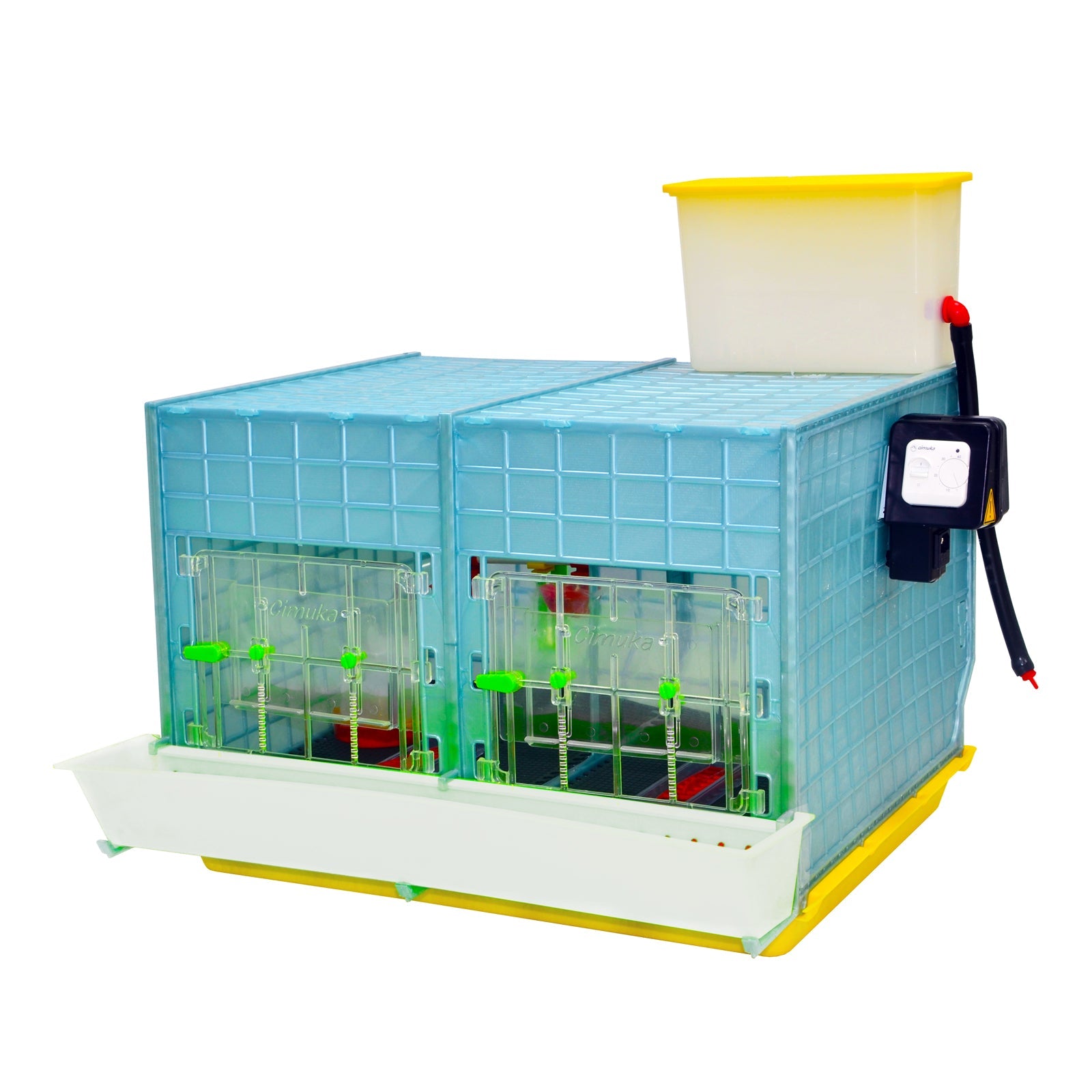
- Starter equipment to prioritize in Arizona: High-capacity, algae-resistant waterers and well-ventilated brooders. For a practical checklist, read the Beginner Chicken Starter Kit Guide.
- Nutrition during heat waves: Keep energy-dense feed available, add electrolytes strategically, and monitor intake; go to Hot Weather Health & Nutrition for protocols.
- Regional nuance: The Sonoran Desert’s high late-day radiant heat, dust, and monsoon humidity require different priorities than coastal or high-plains heat. Consult our Southwest heat-hardy buying guide.
How we evaluate “heat tolerant” in Arizona conditions
Our desert benchmark isn’t a single hot afternoon. It’s multiple weeks at 110°F+ with radiant heat peaking at sunset, occasional dust storms, and monsoon humidity that spikes perceived heat load. In these conditions, we emphasize:
- Heat-shedding morphology: Large combs and wattles, tight feathering, and lankier frames generally outperform fluffy, dense-feathered birds.
- Behavioral resilience: Proactive shade-seeking, steady feed and water intake, and stable flock dynamics under stress.
- Egg production continuity: Mediterranean types tend to sustain laying during heat waves better than heavy heritage breeds.
- Recovery time: How quickly birds resume foraging and laying after extreme heat or humid monsoon surges.
For a deeper dive into the framework and specific breed notes, start with Heat-Resistant Chicken Breeds 2025.
Top desert chicken breeds (by performance tiers)
Below are common breeds grouped by field performance in prolonged Arizona heat. Tiers assume solid shade, airflow, and water access. Use this as a shortlist, then cross‑check final decisions using our Southwest heat-hardy buying guide.
Tier 1: Best-in-class heat tolerance (hot weather chickens that hold up at 110°F+)
- Leghorn (White/Exchequer types): Superb heat management, light body, big combs for heat dump, very good lay continuity.
- Minorca and Andalusian: Mediterranean bodies with efficient heat shedding; consistent summer laying with shade and airflow.
- Egyptian Fayoumi: Desert-origin, quick foragers, excellent alertness and heat resilience; modest feed intake.
- Naked Neck (Turken): Reduced feather load boosts heat dissipation; often calmer than gamey Mediterranean lines.
Tier 2: Workable with smart husbandry (chickens for extreme heat if you optimize care)
- Rhode Island Red and New Hampshire: Solid dual‑purpose birds; ensure aggressive shade and water strategy to sustain lay.
- Welsummer: Good desert fit with ventilation; shell color remains strong when birds are well hydrated.
- Plymouth Rock (Barred/White): Manageable in heat with airflow; watch for afternoon panting and ensure multiple water points.
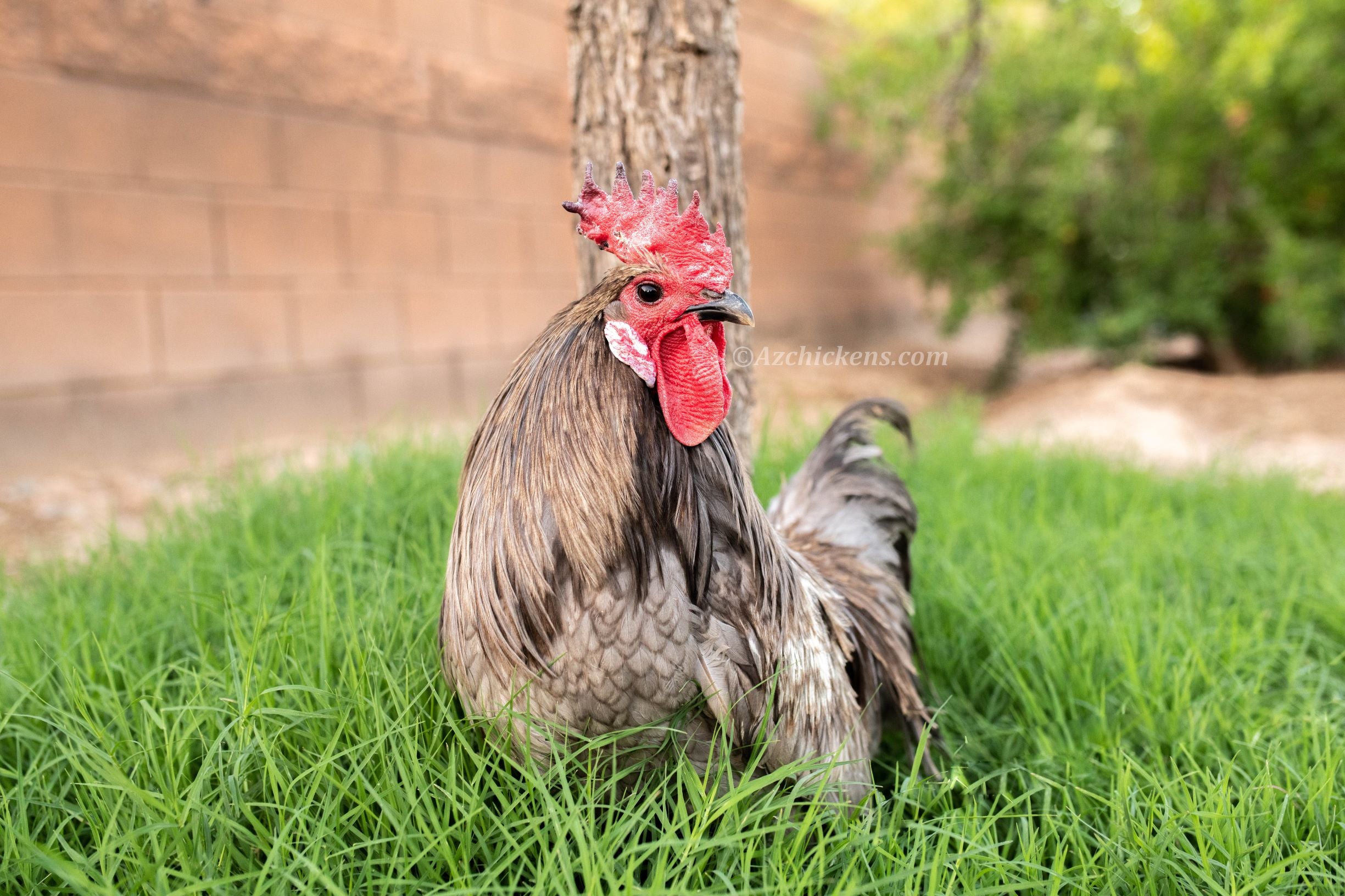
- Australorp: Performs acceptably with shade and evaporative relief; keep feather density and weight in mind.
Tier 3: Beautiful birds that struggle in peak desert heat (choose only if you’ll overinvest in cooling)
- Orpingtons, Cochins, Brahmas: Heavy frames and fluffy or feather‑legged traits reduce heat shedding, requiring intense cooling.
- Most Silkies: Stunning birds but dense, insulating plumage; better suited to milder climates or heavy cooling investments.
Breed-by-breed cooling needs (what to plan for at 110°F+)
- Leghorn/Minorca/Andalusian: Prioritize high airflow over heavy misting; deep shade, and multiple nipple-style water points (target 1 nipple per 6–8 birds).
- Fayoumi: Light rations are fine; prioritize midday shade and clean, cool water. They self-regulate well but still need redundancy in water access.
- Naked Neck (Turken): Shade and water suffice for most days; add a shallow pan bath or brief misting on 112°F+ afternoons.
- RIR/New Hampshire/Rock/Welsummer: Combine shade sails with cross-ventilation; add electrolytes during multi-day heat waves, alternating with plain water.
- Heavy/Fluffy breeds: Evaporative coolers, iced water rotations, and shaded ground-level roosting spaces at dusk are must-haves; keep litter dry to prevent humidity stacking.
Arizona realities: housing and airflow trump almost everything
How you set up the coop and run often determines whether a good breed remains productive—or just survives. We recommend:
- Shade first: Orient runs to block late-day western sun. Use 70–90% shade cloths and natural shade to blunt radiant heat.
- Max airflow: Wire-heavy design with a solid roof; draft-free roosts but abundant cross-ventilation below perch height. In heat season, more open wall is better if predator-safe.
- Thermal mass and ground cooling: Add shaded moist earth or dusting zones; monsoon humidity requires extra airflow to avoid muggy heat stress. Avoid heat-holding surfaces in sun (concrete, artificial turf).
- Multiple water stations: Prevents bullying and shortens walking distance in peak heat. Provide at least two stations for any flock of 8+ birds.
Build your setup with the how‑to detail in Housing & Environment and the broader system thinking in Sustainable Hot Climate Practices.
Hydration and feeding that protect egg production
Heat doesn’t just stress birds—it suppresses feed intake and shell quality. Keep production moving with tactics from our Hot Weather Health & Nutrition resources:
- Always-abundant, clean water: Check waterers twice daily in heat waves for temperature, algae, and flow. Aim for cool water all day; insulating or shading reservoirs helps.
- Electrolytes strategically: Use during multi-day heat events, then switch back to plain water. Follow label rates and avoid continuous use when temps normalize.
- Feed timing: Offer the bulk of feed in the cooler evening and early morning windows to sustain intake; avoid piling on scratch during peak heat.
- Calcium and shell care: Keep free-choice calcium; monitor shell thickness as a heat-stress indicator. Collect eggs earlier in the day to reduce heat spoilage.
Buying formats and budget planning
Hot-climate planning starts at the buying stage. Whether you want immediate layers or long-term selection, we sell multiple formats. Read How to buy adults, juveniles, chicks, or hatching eggs for seasonal availability and which format fits your goals.
- Adults: Faster egg production; acclimation period required. Prioritize heat-hardy lines already managed in hot climates if possible.
- Juveniles: Good compromise on cost and acclimation; they “learn” your system before full summer.
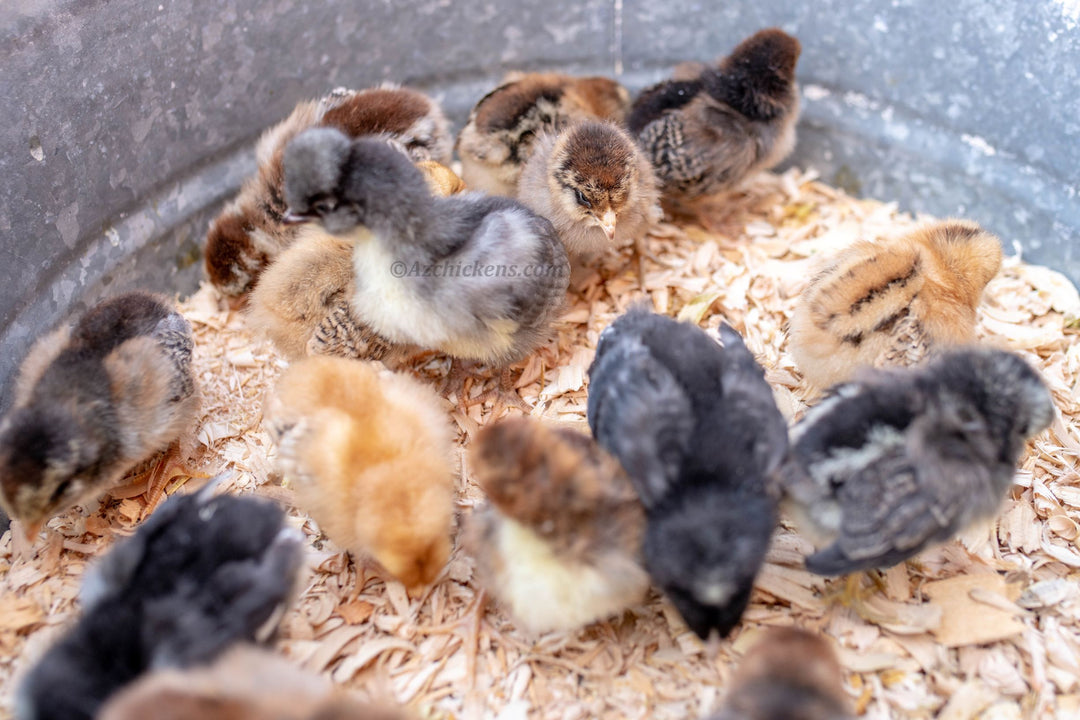
- Chicks: Lowest upfront cost; greatest influence over their acclimation and handling.
- Hatching eggs: Cost-effective scaling and biosecurity control; timing matters—incubate so birds grow into, not through, peak heat.
If you’re new to chicks, start with Chick Care and Hatching Egg Tips, then use our Beginner Chicken Starter Kit Guide to map out must‑have gear for hot months.
Field notes by breed category (what we see in 110°F+)
Every yard is different, but these patterns repeat across Arizona backyards and small farms:
- Mediterranean egg breeds: Best for sustained laying; tolerate dry heat well; do fine with cross-vented coops and deep shade.
- Desert‑origin and reduced‑feather types (Fayoumi, Naked Neck): Lower heat load, quick to seek shade, excellent at staying active in hot mornings.
- Dual-purpose heritage (RIR, New Hampshire, Welsummer, Rocks): Solid performers when gear and husbandry are dialed; expect some mid-summer production dip.
- Large-bodied, fluffy, and feather‑legged: Keep them only if you’re prepared for advanced cooling (evaporative units, frozen water rotations, shaded resting pads).
Images: gear and birds that illustrate heat-smart setups
Click each image to read the related AZ Chickens guide it appears in.




Desert coop design: details that keep birds alive (and laying)
In Arizona, coop details determine outcomes when the thermometer hits triple digits for weeks:
- Roof and orientation: Insulated or reflective roofing; orient openings to capture prevailing breezes, especially late afternoon. Light-colored roofing helps reflect heat.
- Perch height: High perches feel hotter at the roof line in stagnant air. Provide lower “rest bars” in shaded, breezy sections for heat waves.
- Shaded water stations: Place waterers where birds don’t cross sunbaked stretches to reach them. Duplicate waterers to prevent queueing.
- Dusk cool-down zones: Radiant heat peaks as the sun drops; make sure there’s a shaded, ventilated hangout where birds can shed heat before roosting.
For layout sketches and setup checklists, see Housing & Environment and Sustainable Hot Climate Practices.
Water systems for 110°F+ afternoons
Waterers that reduce algae and keep water cooler can make or break summer outcomes. Enclosed reservoirs with nipple drinkers help keep the litter dry and water clean. Rotate partial ice blocks on the most extreme days and add a mid-afternoon water check when temps exceed 110°F. Shade the reservoir and lines, and flush sun-heated hoses before refilling. For a gear overview, start with our Beginner Chicken Starter Kit Guide.
Egg production during heat waves: realistic expectations
Most flocks dip in production during multiday heat—Mediterranean lines tend to dip the least, and heavy heritage birds dip the most. What helps keep eggs coming:
- Keep water within a short walk and in consistent shade.
- Offer the bulk of daily feed at dawn and post-sunset when birds are comfortable enough to eat.
- Provide stable, dark, and ventilated nests—overheated nests deter laying; collect eggs earlier in the day.
- Monitor shell quality; supplement calcium and keep electrolyte use strategic.
For nutrition specifics and heat-mitigation feeding, go to Hot Weather Health & Nutrition.
Regional nuance: Sonoran Desert vs. “just hot” climates
Arizona’s heat includes unique stressors: ultra-dry afternoons, dust intrusions, and monsoon-driven humidity spikes that change how birds shed heat. Build your plan around the Southwest’s seasonality using our Southwest heat-hardy buying guide. You’ll learn how to sequence breed selection, brooding timing, coop airflow, and water system sizing for this region’s specific curveballs.
Match your goals to the right breed shortlists
- Egg-first households: Leghorn, Minorca, Andalusian, Fayoumi.
- Dual-purpose balance: Rhode Island Red, New Hampshire, Welsummer, Plymouth Rock, American Bresse with heat-aware husbandry.
- Show or specialty birds (only with advanced cooling): Silkies, Cochins, Brahmas; plan for evaporative units and meticulous shade.
Cross-check heat credentials and our current recommendations in Heat-Resistant Chicken Breeds 2025.
Timing your purchase around Arizona’s calendar
We encourage buyers to align growth stages with the heat curve:
- Late winter–spring chicks: Mature into early heat with time to acclimate; easiest route.
- Summer additions: Favor older juveniles/adults already heat-acclimated; add abundant shade and water redundancy.
- Fall starts: Good for raising birds into cooler weather; be ready for next summer with proper coop retrofits.
See formats and availability in How to buy adults, juveniles, chicks, or hatching eggs. If you’re incubating, study Hatching Egg Tips to avoid peak-heat brooding challenges.
Health watchlist for heat waves
Heat stress shows up fast and quietly in chickens. Build daily checks into your routine:
- Panting and wings held away from body—move birds into deeper shade and verify water temperature/flow.
- Sudden drop in feed intake—shift feeding to cooler hours and confirm water palatability.
- Lethargy at dusk—offer evaporative relief or shallow pan baths; ensure roosting area breathes.
- Shell quality decline—add calcium, reduce stress at nest boxes, and verify electrolyte schedule.
Cool birds gradually—dampen legs and underwings or provide a shallow bath rather than drenching the whole bird. For heat-season health protocols and nutrition detail, reference Hot Weather Health & Nutrition.
FAQs: Arizona owners ask us these the most
Do I need evaporative cooling? For Tier 1 breeds with excellent shade and airflow, not necessarily—until temps push past 112°F for multiple days. For fluffy or heavy breeds, plan on evaporative relief sooner.
Will birds stop laying in July? Many dual-purpose breeds dip. Mediterranean layers and Fayoumi often keep laying if your shade/water plan is strong.
Is “free range” safe in Arizona heat? It depends on the shade map of your yard. If birds must cross sunblasted areas to reach water or cover, confine them to a shaded, ventilated run during peak hours.
Can I raise chicks in mid-summer? Yes, but prioritize ventilated brooders and keep ambient heat from stacking with brooder heat. See the Beginner Chicken Starter Kit Guide and Chick Care.
How much water does a hen need in summer? Intake varies by size and heat, but plan for roughly 0.5–1.0 liters per hen per day in extreme heat, with at least two shaded water stations for flocks of 8+ birds.
Are misters safe? Yes, when placed in shade and used briefly to cool the air—not to soak birds or litter. In monsoon humidity, prioritize airflow and use mist sparingly to avoid creating muggy conditions.
Where to go next
- Compare breeds and select your shortlist: Heat-Resistant Chicken Breeds 2025
- Dial in your coop and run for airflow and shade: Housing & Environment
- Set your summer management plan: Sustainable Hot Climate Practices
- Support laying and recovery during heat waves: Hot Weather Health & Nutrition
- Choose your buying format and timing: How to buy adults, juveniles, chicks, or hatching eggs
- Gear up smartly for desert conditions: Beginner Chicken Starter Kit Guide
For ongoing availability and updates, browse our News section. If you keep only one rule in mind, make it this: in the desert, pair heat-tolerant breeds with shade, airflow, and abundant cool water—every day from May through September. Do that, and you’ll not only keep birds alive, you’ll keep them productive.


