

Guía completa de gallineros para los veranos de 46 °C en Arizona
Diseñar o elegir un gallinero para climas cálidos no es solo una cuestión de preferencia en Arizona, es cuestión de vida o muerte. Cuando la temperatura supera los 43-46 °C, las aves pueden sufrir estrés térmico en cuestión de minutos si el aire se estanca, la sombra es escasa o el agua no está en perfectas condiciones. Esta guía resume principios probados en campo para el diseño de gallineros en el desierto: requisitos de ventilación, arquitectura de la sombra, características de refrigeración y materiales resistentes al calor, para que su ave prospere durante los veranos más calurosos de Arizona. Piense en ello como encargar un traje de lujo: un diseño cuidadoso, materiales de primera calidad y una auténtica artesanía marcan la diferencia. Si se hace bien, un gallinero en Arizona se convierte en un sistema elegante y eficiente de gestión del calor que protege a sus aves en las condiciones más extremas.
Conclusiones clave y resumen rápido
- Imprescindible: un flujo de aire adecuado. Procura una ventilación pasiva abundante y constante (aberturas amplias y a prueba de depredadores), además de ventiladores opcionales para las tardes más frías.
- El diseño que prioriza la sombra es mejor que el de "solo aislamiento". Utilice aleros profundos, techos altos, techos reflectantes o de barrera radiante y un 70-80% de malla de sombra sobre las cubiertas.
- Los sistemas de agua inteligentes son la clave. Un bebedero confiable, con tapa y de alta capacidad, con bebederos de tetina, ayuda a mantener el agua limpia y fresca.
- Qué buscar en gallineros de clima cálido: techos altos, paredes al aire libre (de malla metálica), respiraderos en la cumbrera o en el hastial, techos reflectantes, pisos elevados y sombra durante todo el día.
- Las mejores marcas de accesorios disponibles en Az Chickens: OverEZ (sistemas de agua), Hen Gear (cajas nido). Elija accesorios que mantengan el interior ordenado y ventilado.
- Materiales duraderos: madera de calidad o estructura de acero con malla metálica, barreras radiantes y revestimientos de techo ligeros y reflectantes. Si aísla, protéjalo del picoteo.
- Comprar vs. construir: Muchos gallineros prefabricados están diseñados para climas templados o fríos: paredes sólidas, respiraderos pequeños y tejas asfálticas. En Arizona, es probable que los modifiques o construyas para que funcionen al aire libre.
- Planificación presupuestaria: Priorice la ventilación y la sombra sobre los acabados decorativos. Una ventilación bien ejecutada y la fiabilidad del agua superan a los gallineros de "cabañas bonitas" en el calor del desierto.
- Las razas y el manejo también son importantes. Combine el diseño de su gallinero desértico con razas resistentes al calor y prácticas de cría de verano para obtener los mejores resultados. Ver Esta guía de razas de clima cálido y Consejos para el cuidado de los polluelos .
Por qué el calor de Arizona satura los gallineros “típicos”
La mayoría de los gallineros prefabricados se entregan con pequeñas rejillas de ventilación, techos de tejas asfálticas que absorben el calor y paredes diseñadas para bloquear las corrientes de aire invernales. En el suroeste, estas opciones son contradictorias: se busca un gallinero desértico al aire libre que circule grandes volúmenes de aire, rechace la radiación solar y siempre proporcione sombra y agua. Sin esto, los interiores retienen el calor y la humedad, lo que acelera el estrés térmico. Las aves jadean, se les caen las alas, la producción de huevos se desploma y, en el peor de los casos, la mortalidad se dispara durante los picos de calor de la tarde.
Un verdadero gallinero resistente al calor para Arizona debe:
- Maximice el flujo de aire pasivo con aberturas grandes y a prueba de depredadores (tela metálica) en las paredes opuestas.
- Empuje el aire caliente hacia arriba y hacia afuera mediante techos altos y respiraderos en el caballete o en el hastial.
- Utilice estructuras de sombra para reducir la carga radiante antes de que llegue al gallinero y al corral.
- Proteja la calidad y cantidad del agua con sistemas de suministro confiables.
Ventilación: la decisión de diseño más crítica
Piense como un sastre que ajusta un traje de lujo: diseñe el gallinero para que el aire circule libremente a través y hacia afuera. En climas desérticos, las paredes sólidas suelen ser contraproducentes. En su lugar, planifique grandes áreas de malla metálica galvanizada de 1,27 cm en paredes opuestas. A diferencia de las mosquiteras, la malla metálica resiste a los depredadores y permite una buena circulación del aire. Coloque los dormideros y los nidos de manera que las aves disfruten de la ventilación cruzada sin exposición directa al sol de la tarde.
Principios de diseño para la ventilación de gallineros en calor extremo:
- Paredes al aire libre: Haga que entre el 25 % y el 50 % (o más) del área de la pared se pueda abrir mediante paneles de malla metálica con marco. Cuanto más cálido sea el clima, más espacio abierto necesitará en verano.
- Techos altos: El aire caliente asciende. Un interior alto y una ventilación en la parte superior (cumbrera o hastial) mantienen el calor estratificado y escapando.
- Ruta de flujo de aire sin obstrucciones: las puertas, los refugios y las particiones no deben bloquear el flujo de entrada y salida.
- Asistencia del ventilador en días pico: Un ventilador protegido contra la intemperie que expulse el aire en el punto más alto es una alternativa eficaz. Póngalo en funcionamiento antes de que el gallinero se caliente.
Comprobación de rendimiento sencilla: coloque un termómetro/higrómetro económico a la altura de las aves y en el pico del techo; si el gallinero está más caliente que el aire exterior sombreado, aumente el área de ventilación o agregue un extractor hasta que el interior se acerque lo más posible al ambiente de sombra.
Para obtener ideas prácticas de vivienda específicas para el Sur, visite Soluciones de vivienda para el clima del sur .
Arquitectura de sombra: detén el sol antes de que cocine tu gallinero
El diseño resistente al calor empieza por fuera de la caja. Una sombra profunda alrededor del gallinero puede mantener el aire y las superficies mucho más frescos. En el diseño de un gallinero para zonas desérticas, comience con un techo que refleje el calor y ventile, y un corral sombreado con tela o vegetación.
- Revestimiento de techo reflectante: un techo de metal de color claro o un conjunto de techo con barrera radiante reduce significativamente las temperaturas interiores en comparación con las tejas oscuras.
- Estructura de techo ventilado: Una cumbrera ventilada, hastiales abiertos y un espacio de aire bajo el techo ayudan a disipar el calor. Los aleros amplios (de 45 a 60 cm o más) dan sombra a las paredes.
- Malla de sombra sobre el terreno: La malla de sombra al 70-80% reduce la captación solar y permite la ventilación. Ajuste o duplique la malla en el lado oeste para obtener ángulos al final del día.
- Sombra viva: enredaderas en espalderas, arbustos adaptados al desierto y riego programado crean “microclimas” más frescos alrededor del gallinero.
La orientación es importante: si es posible, oriente las aberturas principales hacia las brisas de la mañana y mantenga la cara oeste muy sombreada con aleros, una tela de sombra o un enrejado con enredaderas.

Características de enfriamiento que realmente funcionan en el desierto
El agua es el elemento refrigerante esencial, tanto para las aves como para el microclima. Su ubicación y distribución son importantes. Los rociadores deben usarse con cuidado para enfriar el aire sin empapar la cama. Los ventiladores pueden ayudar durante los picos de calor. Y los bebederos deben ser confiables y estar a la sombra para que el agua se mantenga limpia y fresca.
- Atomizadores: Úselos cerca del gallinero, no dentro, para evitar la acumulación de humedad. Programe ciclos de 5 a 10 minutos durante el calor intenso; colóquelos contra el viento para enfriar el aire entrante.
- Ventiladores: Colóquelos en el punto más alto para extraer el aire caliente. Protéjalos del polvo y la humedad; límpielos regularmente. Utilice temporizadores o termostatos.
- Bebederos: Elija sistemas de alta capacidad y sombreados con depósitos cubiertos y suministro limpio. Los bebederos de tetina reducen la contaminación y el encharcamiento.
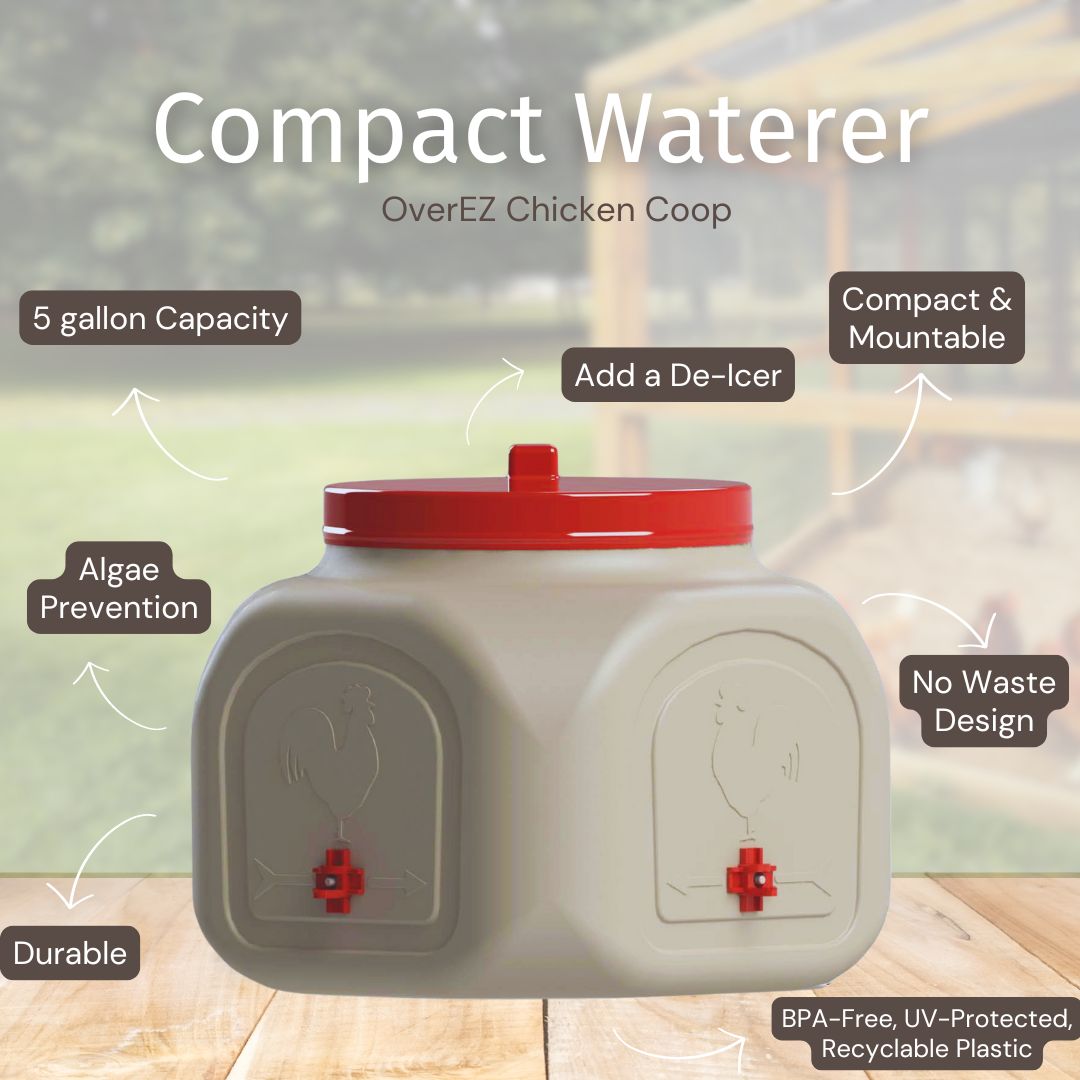
Arriba: Bebedero para pollos de 5 galones sin BPA de OverEZ con bebederos de tetina: suministro más limpio y excelente para configuraciones con sombra y clima cálido.
Materiales que resisten el calor (y resisten)
Los materiales de calidad se comportan como la artesanía italiana: precisos, duraderos y dignos de admiración. Estás construyendo un microclima, no solo una caja.
- Estructura: Estructura de madera o acero de calidad con carpintería meticulosa. Evite usar fijaciones de tamaño insuficiente y paneles delgados que se deformen con el calor.
- Revestimientos y revestimientos: Acabados ligeros y reflectantes en paneles de techo y pared. Utilice malla metálica (no malla fina) para las zonas abiertas.
- Aislamiento y barreras: En gallineros desérticos al aire libre, las barreras radiantes y los sistemas ventilados suelen ser más eficaces que un aislamiento grueso. Si se utiliza aislamiento, proteja la espuma del picoteo y del sol.
- Suelos: Los suelos elevados permiten la ventilación por debajo. Si se trata de losas, considere la posibilidad de instalar sombra reflectante y ventilación nocturna para disipar el calor de la masa térmica.

Disposición, dormideros y cajas nido: pequeñas decisiones, grandes ganancias de calor
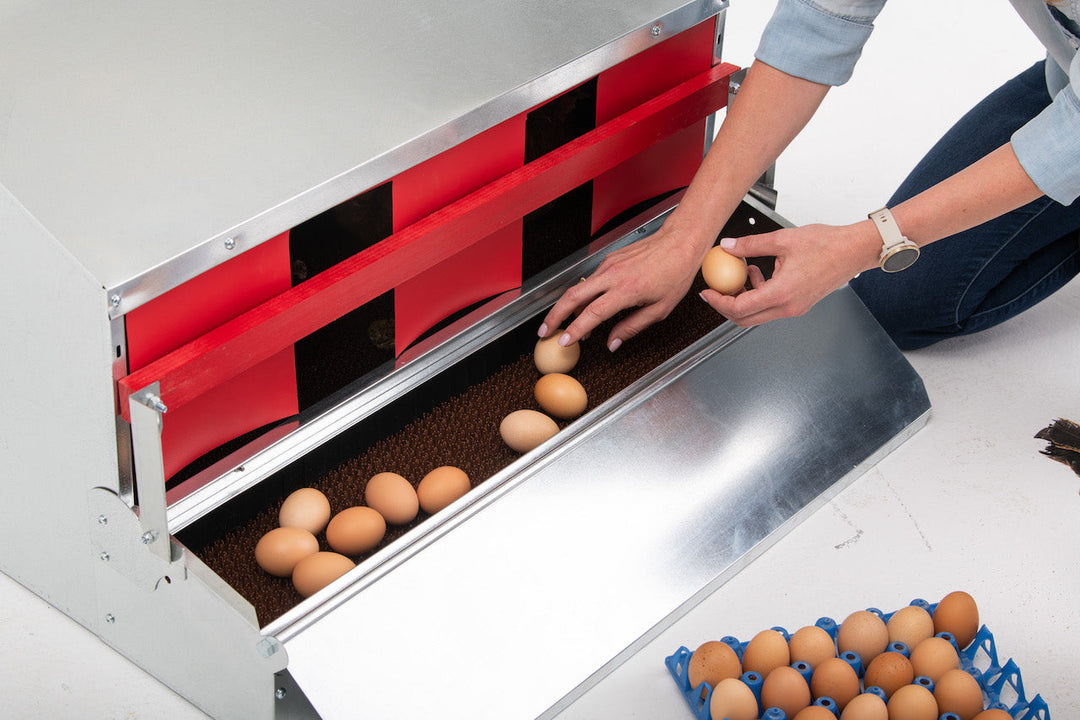
La distribución es clave para la adaptación. Mantenga las cajas nido alejadas del sol directo de la tarde y los dormideros a una altura adecuada para la brisa, pero lejos de las zonas altas más calurosas si el techo retiene el calor. Oriente las aberturas para aprovechar las brisas predominantes de la mañana; proteja el lado oeste con una sombra más profunda o una segunda capa (una malla de sombra o un enrejado con enredaderas). Si va a instalar cajas nido mejoradas, elija diseños que no obstruyan la ventilación interior y sean fáciles de limpiar para que no pase tanto tiempo dentro del gallinero en los días calurosos.
Consejos de colocación:
- Se posan en dirección opuesta a las vías de ventilación, sin bloquearlas. Deje de 20 a 30 cm de ancho de percha por ave, con espacio entre ellas para facilitar la circulación del aire.
- Cajas nido junto a paredes más frescas y con sombra. Evite las aberturas orientadas al oeste sin protección o barrera de sombra.
- Las puertas de tela metálica con paneles inferiores sólidos pueden bloquear el resplandor y al mismo tiempo ventilar bien.
Pistas, umbráculos y sala de estar al aire libre
En Arizona, tu carrera es la sala de estar desde el amanecer hasta el anochecer. Constrúyela como un umbráculo:
- Tela de sombra en lo alto (70–80%) y un panel más denso en el lado oeste para recibir sol al final del día.
- Múltiples puntos de agua: al menos dos bebederos independientes en zonas de sombra.
- Baños de polvo en rincones sombreados con sustrato profundo y seco. Evite crear zonas de barro que aumenten la humedad.
- Bolsas de plantación para arbustos o enredaderas adaptados al desierto fuera de la cerca del terreno, entrenados sobre enrejados para obtener sombra viva.
Seguridad contra depredadores sin sacrificar el flujo de aire: use una tela metálica de 1/2 pulgada para las paredes y considere colocar un delantal enterrado o un faldón orientado hacia afuera alrededor del perímetro del corral para disuadir a los excavadores y, al mismo tiempo, mantener la estructura abierta y ventilada.

Consejos de compra: qué mejorar en los gallineros prefabricados de Arizona
Si va a comprar un gallinero prefabricado, asuma que lo adaptará para el desierto. Aquí tiene una lista de verificación; llévela consigo al evaluar las opciones:
- Área de ventilación: ¿Es posible convertir paneles sólidos en paneles de tela metálica protegidos en al menos dos paredes opuestas?
- Techo: ¿El techo es de color claro o reflectante? ¿Se puede añadir una barrera radiante o reemplazar las tejas oscuras?
- Altura del techo: ¿Hay espacio para que suba el aire caliente? ¿Se puede añadir una ventilación en la cumbrera o el hastial?
- Sombra: ¿El diseño admite voladizos profundos o una estructura de sombra secundaria?
- Agua: ¿Hay un lugar cubierto para un bebedero de gran capacidad y una forma de mantener las líneas sombreadas?
- Seguridad: ¿Será fácil agregar una tela metálica a prueba de depredadores (de 1/2 pulgada) si no está incluida ya?
Revise también los recursos de cría de Az Chickens para completar su plan:
- Consejos para el cuidado de los pollitos
- Guía de razas resistentes al calor
- Soluciones de vivienda para el clima del sur
- Prácticas sostenibles en climas cálidos
Artesanía y valor para diferentes presupuestos.
Ya sea que esté construyendo o comprando, piense como un experto en confección. Un gallinero adaptado al clima de Arizona ofrece comodidad y fiabilidad a diario: sin puntadas desperdiciadas, sin telas pesadas que retengan el calor y solo materiales de calidad donde realmente importan.
- Nivel básico: Priorice una estructura resistente al aire libre, laterales de malla metálica, una malla de sombra del 70 al 80 % sobre el tejado y un bebedero fiable. La funcionalidad es más importante que el acabado.
- Gama media: agregue un techo reflectante con barrera radiante, aleros profundos, mejores diseños de nidos/perchas y un ventilador de extracción controlado termostáticamente.
- Premium: Construya un aviario estilo invernadero con techo doble (cavidad ventilada), colector de rociado integrado (al aire libre), ventilador automático y carpintería elegantemente diseñada que resistirá muchos veranos.
Dos accesorios resistentes al calor comercializados por Az Chickens
Si bien la estructura del gallinero es la base, los accesorios adecuados elevan el rendimiento, como el forro fino y los botones de ese traje de lujo. Aquí hay dos artículos que hemos visto que contribuyen a la comodidad y la higiene en climas cálidos:
Bebedero OverEZ de 5 galones (bebederos de tetina sin BPA)
Consulte los precios en la tienda
Marca: OverEZ
Material: No especificado
- Depósito cubierto de 5 galones sin BPA
- El sistema de bebederos de pezón reduce la contaminación
Por qué ayuda a 115 °F: un tanque cubierto y sombreado limita el crecimiento de algas y mantiene los residuos y los excrementos afuera, mientras que los bebederos de tetina mantienen la arena más seca y el agua más limpia, lo cual es fundamental cuando el calor aumenta el consumo.
Ver producto
Cajas nido de Hen Gear
Consulte los precios en la tienda
Marca: Hen Gear
Material: No especificado
- Diseñado por Hen Gear
- Optimizado para organizar el interior del gallinero.
Por qué ayuda a 115 °F: un interior ordenado y organizado mejora las vías de flujo de aire, reduce la congestión en el momento de la postura y acorta el tiempo de limpieza: menos tiempo en un gallinero caliente para usted y una ventilación más constante para sus aves.
Ver productoNota: La disponibilidad, los detalles y los precios se proporcionan en Az Chickens. Solo incluimos los nombres y las características de los artículos que se muestran en las imágenes y descripciones del sitio web disponibles en las páginas relacionadas de Az Chickens.
Gestión diaria del calor: operaciones y rutinas
Incluso el mejor gallinero resistente al calor necesita buenas rutinas diarias en veranos de 46 °C:
- Empiece a dar sombra y ventilar temprano. Instale la malla de sombra por la mañana; encienda los extractores de aire antes de que el gallinero se caliente.
- Congele jarras de agua para colocarlas cerca de vías de flujo de aire para enfriar levemente el aire de admisión en espacios pequeños.
- Alimente temprano y tarde. La digestión al mediodía añade calor; ofrezca premios húmedos en puré (con moderación) por la mañana.
- Coloque varias estaciones de agua a la sombra. Revise los bebederos dos veces al día; los sistemas de tetinas ayudan a mantenerlos limpios.
- Observe a las aves. El jadeo, las alas extendidas y el letargo son señales de alerta. Intervenga con sombra adicional, ventilación y agua fresca.
Nota sobre el monzón: cuando aumenta la humedad, los rociadores deben funcionar con ciclos más cortos y la ropa de cama debe mantenerse seca. Incremente la limpieza localizada y voltee la arena para evitar la acumulación de moho.
Errores comunes en gallineros de clima cálido (y soluciones rápidas)
- Demasiadas paredes sólidas: reemplace los paneles con superficies de tela metálica enmarcadas mientras mantiene la seguridad contra depredadores.
- Techo oscuro que absorbe el calor: cámbielo por una piel reflectante o agregue una barrera radiante y un espacio de aire ventilado debajo.
- Sin ventilación en la cumbrera ni en el hastial: el aire caliente tiene que escapar por la parte superior; añada uno.
- Bebedero a pleno sol: Trasladarlo a un lugar con sombra total; cubrir y aislar las líneas si es posible.
- Una puerta grande, sin ventilación cruzada: cree una abertura en el lado opuesto con una tela metálica a prueba de depredadores.
Plan de emergencia: tenga a mano una tela de sombra de repuesto, un ventilador de respaldo, mangueras adicionales y jarras congeladas para picos de calor repentinos o interrupciones de energía.
Razas, tamaño del rebaño y el gallinero
El tamaño importa. Un gallinero estrecho retiene el calor corporal. Dimensione el espacio adecuadamente para que el volumen de aire por ave sea generoso y elija razas resistentes al calor. Combine la estructura y el ganado para obtener mejores resultados. Explore las opciones resistentes al calor aquí:
- Comprar pollos resistentes al calor en el suroeste de Estados Unidos (2025)
- Razas de pollos resistentes al calor 2025
Una lista de verificación sencilla de Arizona (imprimir esto)
- Al menos dos paredes opuestas convertibles en tela metálica para ventilación cruzada.
- Techo alto con ventilación en la cumbrera o hastial; techado ligero y reflectante.
- Sombra profunda alrededor del gallinero y el corral, especialmente en el lado oeste.
- Bebederos confiables, sombreados y con suministro limpio (bebederos de pezón).
- Los dormideros se ubican en zonas con corrientes de aire y las cajas nido en paredes más frescas.
- Vaporizadores al aire libre (cronometrados) y extractor de aire para picos extremos.
- Protección contra depredadores que no obstruye el flujo de aire.
Para conocer más estrategias para climas cálidos e ideas de vivienda, visite Prácticas sostenibles en climas cálidos y Soluciones de vivienda para el clima del sur .
Palabra final: construido para flujo de aire, sombra y confiabilidad.
Un gallinero de Arizona para climas cálidos es un ejemplo de sobriedad y precisión, como la artesanía italiana que prioriza la calidad de los materiales y las líneas limpias sobre la decoración. Mantenga la circulación del aire, bloquee el sol y proteja el agua. Con estas tres cosas, evitará el estrés térmico y la mortalidad, incluso cuando en Phoenix se alcancen los 46 °C. Todo lo demás —la decoración, los colores— es opcional. Aquí, la funcionalidad es el lujo.


