
Walking out to the coop and opening the nesting box shouldn't feel like a chore; it should feel like a treasure hunt. For many of us in the backyard chicken community, the ultimate goal isn't just self-sufficiency, it's the "rainbow egg basket." If you are tired of the monochromatic white and light-brown eggs found at the grocery store, you are in the right place. By strategically choosing specific breeds like Easter Eggers, Marans, and Olive Eggers, you can transform your morning routine into a display of "egg color magic."
Key Points: The Rainbow Flock at a Glance
- Easter Eggers: The most popular choice for blue, green, and occasionally pinkish eggs.
- Marans: Famous for laying "chocolate" dark brown eggs with a unique matte finish.
- Olive Eggers: A hybrid cross that produces stunning shades of sage, forest, and olive green.
- Consistent Coloring: Each individual hen lays only one color throughout her life; variety comes from a diverse flock.
- Standard Care: Despite their exotic egg colors, these breeds require the same basic care as any other backyard chicken.
The Problem: The "Boring Basket" Syndrome
Most beginners start their journey of raising backyard chickens with standard breeds like Rhode Island Reds or Leghorns. While these are some of the best egg laying chickens for high volume, they tend to produce a very uniform look. After a few months, the novelty can wear off. The "problem" isn't the chickens, they are doing their job, the problem is a lack of aesthetic variety.
The solution is easier than you think. You don't need a degree in genetics to curate a beautiful palette of eggs. You simply need to understand the three "pillars" of egg color: the blue-layers, the dark-brown layers, and the hybrids that bridge the gap.
The Easter Egger: The Wild Card of the Coop
Easter Eggers are not a standardized "breed" in the traditional sense, but rather a variety of hybrids that carry the blue-egg gene. They are often crosses between an Araucana or Ameraucana and another productive breed.
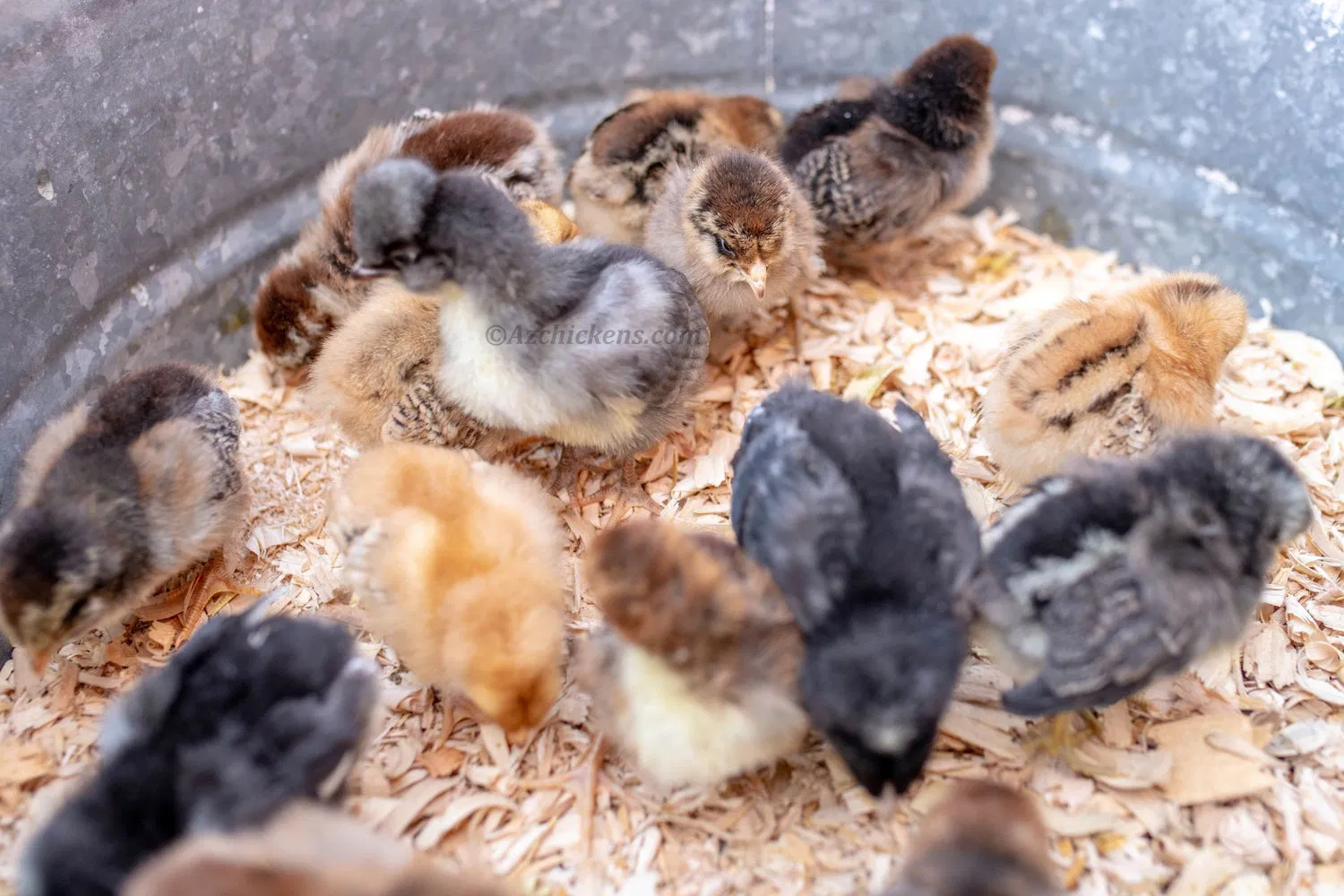
What makes them "magic" is the surprise factor. When you buy Easter Egger chicks, you won't know exactly what color they will lay until that first egg hits the nesting box at around 20–24 weeks of age.
Why We Love Them:
- The Palette: They can lay anything from sky blue and sea-foam green to pale pink or even a soft lavender-grey.
- The Personality: They are notoriously friendly and curious, often becoming the "pets" of the flock.
- Hardiness: Because they are hybrids, they often possess "hybrid vigor," making them resilient in various climates.

The Marans: The Chocolate King
If the Easter Egger provides the "cool" tones of blue and green, the Marans provides the "warm," deep base. Originating from France, Marans (specifically Black Copper and Cuckoo varieties) are the gold standard for dark eggs.
The science behind this is fascinating. All eggs start out as white or blue inside the hen. As the egg travels through the oviduct, the Marans hen "paints" the shell with a heavy layer of brown pigment called protoporphyrin. This pigment is so thick that you can sometimes actually scratch a bit of it off a freshly laid egg.
Marans Varieties to Consider:
- Black Copper Marans: Known for the darkest "Grade 9" chocolate eggs and striking copper neck feathers.
- Cuckoo Marans: A hardier, more affordable option that lays a beautiful speckled or deep russet brown egg.

The Olive Egger: Nature’s Masterpiece
The Olive Egger is a deliberate hybrid created by crossing a blue-egg layer (like an Ameraucana) with a dark-brown egg layer (like a Marans). The result is a bird that lays eggs in stunning shades of olive green.
Think of it like mixing paint:
- Blue Base + Light Brown Paint = Green/Aqua
- Blue Base + Heavy Dark Brown Paint = Deep Olive/Army Green
Because they are a crossbreed, Olive Eggers can vary in appearance. Some have "muffs" (fluffy cheeks), some have feathered legs, and some look like standard farm birds. But the real prize is always the egg. If you are looking for the best egg laying chickens to add a "wow" factor to your carton, the Olive Egger is non-negotiable.

Building Your "Rainbow Basket"
To achieve a truly diverse basket, you want to balance your flock. We recommend a "3-2-1" approach for a standard 6-bird backyard flock:
- 3 Easter Eggers: This gives you the best chance of getting at least one blue and one green layer.
- 2 Marans: These ensure you have that dark, moody contrast against the lighter eggs.
- 1 Olive Egger: This acts as the "accent piece" for the entire collection.
When you browse our colored egg layer collections, you can see how these breeds work together to create a visual masterpiece.
Reassurance: Exotic Eggs, Familiar Care
A common concern for new keepers is that "fancy" chickens must be harder to keep. We want to clear that up right now: A blue egg takes no more effort to produce than a white one.
While the genetics of the shell color are different, the biological needs of the hen are identical. They all need:
- High-Quality Layer Feed: To provide the calcium needed for those colorful shells.
- Fresh Water: Essential for daily egg production.
- Protection from Predators: Whether they lay blue or brown, they are all targets for local wildlife.
Whether you are looking at hatching eggs or starting with day-old chicks, these breeds will thrive in a standard coop setup.
Comparison Table: Breed Traits and Egg Production
| Breed | Primary Egg Color | Eggs Per Year | Temperament | Best For... |
|---|---|---|---|---|
| Easter Egger | Blue, Green, Pink | 200–280 | Friendly/Docile | Families and Beginners |
| Black Copper Marans | Dark Chocolate Brown | 150–200 | Calm/Reserved | High-end Aesthetics |
| Olive Egger | Olive, Sage, Moss | 180–230 | Curious/Active | Unique Variety |
| Cuckoo Marans | Dark Brown/Speckled | 180–220 | Hardy/Social | Hardiness in heat/cold |
Economic and Practical Benefits
Beyond the "Instagrammable" basket, there are practical reasons to choose these breeds. In many local markets, "rainbow dozens" sell for a significant premium compared to standard brown eggs. People are willing to pay for the novelty and the assurance that the eggs come from a well-cared-for backyard flock.
If you are looking to offset the cost of feed, adding color to your offerings is the fastest way to stand out at a farmers' market or among your neighbors.
Closing Thoughts: Your Journey to Color
Creating a rainbow egg basket is one of the most rewarding aspects of raising backyard chickens. It turns a simple breakfast into an experience and provides a constant source of conversation with friends and family.
Don't feel like you have to be an expert to start. These birds are resilient, productive, and: above all: fun. Whether you choose the reliable Easter Egger or the sophisticated Marans, you are making an investment in a more colorful, joyful backyard experience.
Ready to start your own rainbow flock?
Browse our 'Color Bundle' chicks here and let us help you pick the perfect mix for your Arizona coop!