
Si eres maestro, líder de 4-H o padre que educa en casa, y te encuentras mirando un calendario tratando de encajar una unidad de ciclo de vida en un mes escolar estándar, probablemente te has topado con la "pared de los 21 días".
Criar pollos es la opción clásica, pero para los educadores en Arizona, la logística puede ser una pesadilla. Entre el acceso al edificio los fines de semana, la duración de la eclosión y el espacio requerido para las aves después, muchos proyectos escolares terminan con más estrés que éxito.
Ahí es donde entran las codornices.
En AZ Chickens, nos especializamos en ayudar a las familias y educadores del desierto a tener éxito desde la "eclosión hasta la gallina". Aunque amamos nuestros huevos fértiles de gallina, consistentemente guiamos a los educadores hacia la codorniz Coturnix o Celadón. ¿Por qué? Porque son el "truco" definitivo para una experiencia exitosa y de bajo estrés en el aula.
Aquí hay 5 razones por las que los huevos de codorniz son la mejor opción para su próximo proyecto de eclosión escolar.
1. El ciclo de 18 días se ajusta perfectamente al calendario escolar
El mayor obstáculo con la eclosión de pollos en un aula es el período de incubación de 21 días. Si pones los huevos un lunes, eclosionan un lunes tres semanas después. Eso suena bien: hasta que te das cuenta de que tienes que estar en la escuela dos fines de semana consecutivos para manejar la humedad y el volteo. Si una eclosión comienza temprano o tarde (lo que a menudo sucede), terminas con pollitos saliendo en un aula oscura y vacía un domingo por la mañana.
Las codornices eclosionan en solo 17 a 18 días.
Esta ventana más corta es un sueño logístico para los educadores. Puedes poner tus huevos fértiles para incubar en venta un martes, y para cuando llega el tercer viernes, el "espectáculo de píos" ha terminado, los niños han visto la magia y no tienes que ir a la escuela en tu día libre. Se ajusta perfectamente a una unidad curricular de 3 semanas con espacio de sobra para la preparación y limpieza.

2. Las codornices son sorprendentemente resistentes
Uno de los principales temores de cualquier educador es el "fracaso de la eclosión" o la pérdida de aves frente a una sala llena de niños. Aunque todas las aves de corral bebés son delicadas, las codornices Coturnix son notablemente resistentes una vez que nacen.
En el calor de Arizona, el estrés del envío puede ser un factor importante para los pollitos de un día. Sin embargo, cuando los incubas tú mismo, ese estrés se elimina. Los polluelos de codorniz son diminutos: aproximadamente del tamaño de un abejorro: pero son "activos" casi de inmediato. Son menos propensos a los problemas de "cloaca pastosa" comunes en los pollos y generalmente encuentran su comida y agua más rápido.
Consejo profesional para maestros: Tenga siempre a mano una botella de Southland Organics Hen Helper. Incluso para las codornices, añadir electrolitos a su primera agua asegura que se "recuperen" del proceso de eclosión, que consume mucha energía. Utilice el código azchickens para ahorrar $10 en su primer pedido.
3. La ventaja del "espacio pequeño"
Un aula es un lugar para aprender, no un granero. Una criadora para seis pollitos de pollo ocupa un espacio considerable y, en dos semanas, esos pollitos "lindos" están aleteando, polvorientos y superando el tamaño de su caja.
Las codornices se mantienen pequeñas. Puedes criar cómodamente una docena de codornices en un espacio no más grande que un contenedor de almacenamiento de plástico transparente. Su desorden es menor, su "polvo" es manejable y no requieren la infraestructura masiva de gallinero que necesitan los pollos. Para una familia que educa en casa o un maestro con espacio limitado en el aula, las codornices brindan la experiencia completa de la "granja a la mesa" sin la huella de una granja.

Guía rápida de incubación de codornices:
- Temperatura: 99.5°F (Incubadora de aire forzado)
- Días 1-14: 45-50% de humedad
- Días 15-18 (Encierro): 65-70% de humedad
- Volteo: 3-5 veces al día (hasta el día 15)
Nota: En Arizona, la humedad para la incubación de huevos de gallina puede ser complicada porque nuestro aire es muy seco. Siempre use un higrómetro calibrado para asegurarse de que su incubadora no le está mintiendo.
4. Punto de entrada de menor costo
El presupuesto es siempre una preocupación para los proyectos escolares. Entre los huevos fértiles en venta, la incubadora, la criadora y el alimento, los costos pueden acumularse.
Los huevos de codorniz son significativamente más asequibles que los huevos fértiles especiales de razas de gallinas de alta gama. Debido a que las aves son más pequeñas, comen menos alimento y requieren equipos más pequeños (y más baratos). Si está ejecutando varias aulas o un gran proyecto FFA, el costo "por estudiante" de un proyecto de codorniz es una fracción de un proyecto de pollo.
Ofrecemos Huevos de Codorniz para Incubación en varias variedades, incluida la famosa Codorniz Celadón, que pone hermosos huevos de color azul claro que a los niños les encantan.

5. Mayor visibilidad del "éxito"
Cuando los polluelos están eclosionando en una incubadora, los niños quieren ver la acción. Los huevos de gallina son grandes y opacos; puede ser difícil ver el movimiento durante el ovoscopio.
Los huevos de codorniz, aunque moteados, son más pequeños y a menudo más fáciles de ovoscopiar con una luz LED de alta intensidad. Además, dado que se pueden colocar más huevos de codorniz en una incubadora estándar que huevos de gallina, la "tasa de éxito" parece mayor para los estudiantes. Si tienes 24 huevos de codorniz, es probable que ocurra un "evento de eclosión" casi cada hora durante el gran día, manteniendo el nivel de compromiso alto durante todo el día escolar.
La ventaja de Arizona: ¿Por qué comprar en AZ Chickens?
La mayoría de los criaderos nacionales envían huevos desde el Medio Oeste o la Costa Este. Cuando esos huevos llegan a Arizona, han sido vibrados, lanzados y sometidos a cambios de temperatura a través de cuatro estados.
Enviamos desde nuestras instalaciones de Texas directamente a su puerta en Arizona, de lunes a miércoles. Entendemos el clima desértico. Sabemos que una caja de huevos en un camión de USPS en Phoenix durante cuatro horas es una receta para el desastre. Nuestros métodos de envío están diseñados para proteger las estructuras internas del huevo, asegurando que obtenga la mayor tasa de eclosión posible para sus estudiantes.
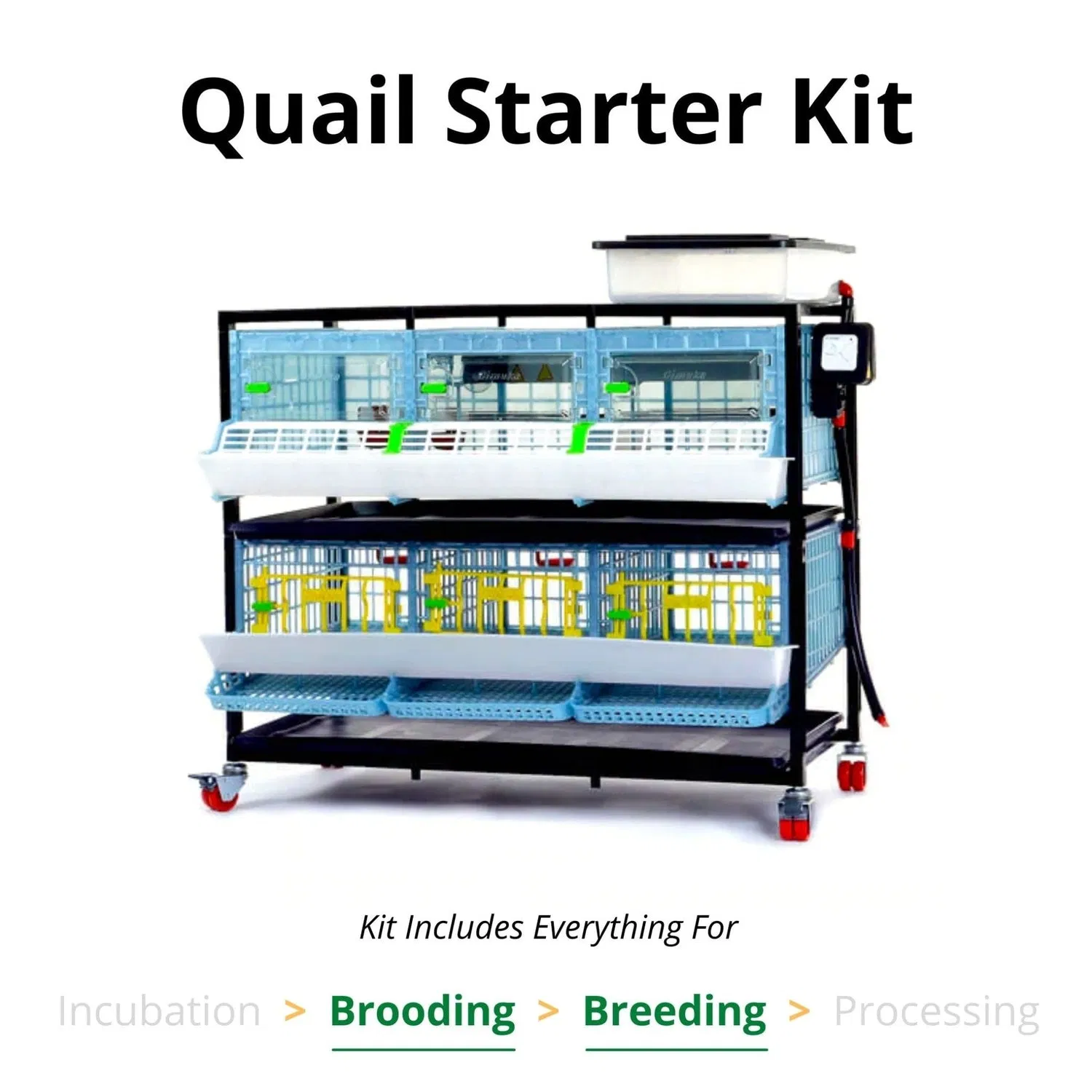
¿Qué pasa después de la eclosión?
Una de las preguntas más comunes de los maestros es: "¿Qué hago con las aves después?"
Las codornices alcanzan la madurez en solo 6-8 semanas. Esto significa que si comienzas un proyecto en febrero, tendrás aves adultas que ponen huevos antes de que termine el año escolar. Debido a que son tan pequeñas y productivas, son mucho más fáciles de "reubicar" en familias o aficionados locales que un gallo grande.
En Arizona, las codornices también son una excelente manera de "probar las aguas" de la propiedad de aves de corral antes de comprometerse con un gallinero completo. Son silenciosas, eficientes, ¡y sus huevos son un manjar gourmet!
¿Listo para comenzar la eclosión en su aula?
No dejes que el miedo a un proyecto fallido te impida ofrecer esta experiencia a tus alumnos. Si proporcionas el entorno adecuado, los huevos fértiles para incubar a la venta pueden ser lo más destacado de todo el año escolar.
Su lista de verificación de éxito:
- Consiga los huevos adecuados: Elija Coturnix o Celadón para obtener los mejores resultados.
- Prepare la criadora: Tenga su placa calefactora, alimento y bebederos listos antes del día 15.
- La nutrición importa: Alimente con un iniciador de aves de caza rico en proteínas (24-30%).
- Apoye el sistema: Use electrolitos para asegurar la supervivencia.

Vea todo lo que recomendamos para una próspera bandada de Arizona, incluyendo nuestras incubadoras y criadoras favoritas, en azchickens.com/pages/recommended.
Ofrezca a sus estudiantes el mejor comienzo
Recomendamos el Paquete de aves de corral de traspatio Southland Organics para todas las nuevas eclosiones. Incluye todo lo que necesita para mantener a sus pequeños polluelos de codorniz saludables desde el momento en que salen del cascarón.
Haga clic aquí para comprar en Southland Organics y use el código "azchickens" al finalizar la compra para obtener $10 de descuento en su pedido.