
You have spent weeks cleaning the brooder, refreshing water, and watching your tiny balls of fluff transform into awkward teenagers. Now, they are fully feathered, roaming the backyard, and you find yourself checking the nesting boxes every single morning. The anticipation of that first backyard egg is one of the most exciting parts of raising chickens for eggs, but for many beginners, the wait can feel eternal.
Understanding the biological timeline of a hen: and the external factors that can speed it up or slow it down: is essential for managing your expectations. While every bird is an individual, there is a predictable rhythm to the "Point of Lay."
Key Points: The Egg Countdown
- Average Age: Most hens begin laying between 18 and 24 weeks of age.
- Breed Influence: High-production breeds may start as early as 16 weeks, while heritage or heavy breeds may take 28 weeks or more.
- Physical Signs: Look for bright red combs, wattles, and "the squat" (submissive behavior).
- Environmental Impact: High temperatures (common in Arizona) and decreasing daylight can delay the first egg.
- Nutritional Shift: Transition to layer feed at week 18 to provide the calcium necessary for strong shells.
The Biological Timeline: From Pullet to Hen
In the world of backyard chickens for beginners, terminology matters. Until your female chicken lays her first egg or reaches one year of age, she is technically a "pullet." Once that first egg hits the nesting box, she officially graduates to "hen" status.
The internal development required to produce an egg is massive. A pullet must reach a specific body weight and have a fully developed reproductive system before her body will trigger the first ovulation. This usually occurs around the five-month mark. However, this window is flexible. If you are starting your flock with juvenile chickens, you are much closer to the finish line than those starting with day-old chicks.
The Breed Factor: Sprinters vs. Marathoners
Not all chickens are created equal when it comes to maturity. Some breeds are genetically hardwired to start early and lay often, while others take a more leisurely approach to adulthood.
| Breed Category | Popular Examples | Typical Start Age |
|---|---|---|
| Production Breeds | Rhode Island Reds, Leghorns, Black SexLinks | 16–18 Weeks |
| Dual-Purpose Breeds | Barred Rocks, Orpingtons, Wyandottes | 20–24 Weeks |
| Heritage/Specialty | Bresse, Marans, Brahmas | 24–30 Weeks |
| Ornamental/Easter Eggers | Ameraucanas, Silkies, Polish | 22–28 Weeks |
If you are looking for the fastest return on your investment, breeds like the Bresse or Black SexLinks are known for their efficiency and relatively early maturity.

Physical Signs: How to Tell an Egg is Coming
Your chickens will tell you when they are getting close; you just have to know how to read the "flock language." About two to three weeks before the first egg, you will notice several distinct physical and behavioral changes.
1. The Reddening of the Guard
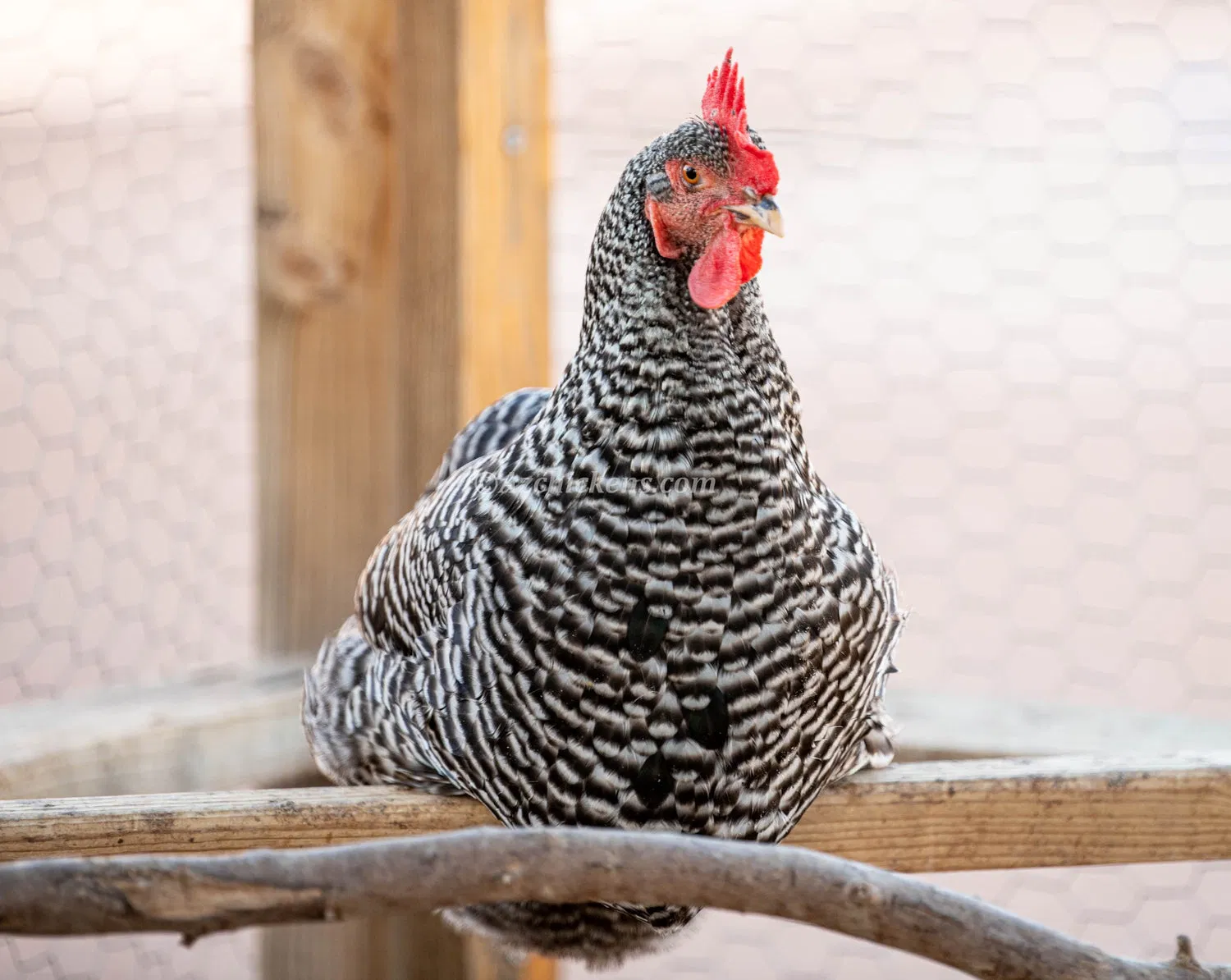
As a pullet’s hormones surge, blood flow increases to her head. Her comb and wattles, which were likely a pale pink or yellowish color during her "teenage" weeks, will suddenly turn a vibrant, fleshy red. They will also appear more swollen and "waxy" to the touch.
2. The Submissive Squat
This is the most reliable indicator. If you reach out to pet your pullet and she stops, spreads her wings slightly, and drops her body toward the ground, she is "squatting." This is a submissive reflex intended for a rooster, but it is a biological signal that her body is ready to produce eggs. Usually, the first egg follows within 1 to 14 days of this behavior appearing.
3. Nesting Box Exploration
You may catch your pullets hanging out in the coop during the day, poking their heads into the nesting boxes, or even scratching around in the straw. They are "scouting" for a safe place to deposit their future prize. This is a great time to ensure your nesting boxes are clean and filled with fresh bedding.
The Arizona Factor: Why Heat Delays the First Egg
When raising chickens for eggs in the Southwest, the environment plays a massive role that textbooks written for the Midwest often ignore. High heat is a significant stressor on a developing pullet.
If your pullets hit their 20-week mark in the middle of a 110-degree July, don’t be surprised if they don’t start laying until September. The body prioritizes survival over reproduction. In extreme heat, a chicken’s metabolic resources are funneled into cooling the body through panting and blood shunting. Egg production, which requires significant energy and protein, is often "put on hold" by the bird's endocrine system until temperatures drop.
To help them along, ensure your adult chickens and pullets have access to deep shade and electrolyte-fortified water. Reducing heat stress is the fastest way to get them back on their biological schedule.
Nutrition: Fueling the First Egg
At roughly 18 weeks of age, your pullets’ nutritional needs change. Up until this point, they have likely been on a "Grower" feed, which is high in protein for muscle and bone development but lower in calcium.
Once they begin the "Countdown to Lay," they need a massive influx of calcium to create eggshells. An eggshell is composed almost entirely of calcium carbonate, and if the hen doesn't get enough in her diet, her body will actually leach it from her own bones to make the shell.
The Switch Strategy:
- Transition at Week 18: Begin mixing Layer Feed with their Grower feed.
- Offer Supplemental Calcium: Provide a separate bowl of crushed oyster shells or cleaned, crushed eggshells. The hens will instinctively eat what they need.
- Protein Boost: While calcium is for the shell, protein is for the egg itself. High-quality feed ensures the yolks are rich and the whites are firm.

What to Expect: The "Pullet Egg"
The first egg won't look like the ones you buy at the grocery store. It is often referred to as a "peewee" or "pullet egg." These are much smaller, sometimes only half the size of a standard large egg.
You might also see some "glitches" in the system during the first few weeks, such as:
- Double Yolkers: Two yolks released at once.
- Soft-Shelled Eggs: Eggs with a rubbery membrane but no hard shell.
- "Fart Eggs" (Wind Eggs): Tiny eggs that contain no yolk at all.
Don't panic! These are just the results of a young reproductive system finding its rhythm. Within a month, the eggs will become more consistent in size and shape.
Setting Up for Success: The Checklist
To ensure your pullets have a smooth transition into laying, you need to prepare their environment before the first egg arrives. A stressed hen is a non-laying hen.
Prepare the Nesting Boxes
Make sure you have one nesting box for every 4–5 hens. Even if you have ten boxes, they will likely all fight over the same "favorite" one, but providing options prevents bullying.
Use "Nest Eggs"
Chickens are creatures of habit. If they see an egg already in a spot, they think, "This must be a safe place to lay." Placing a ceramic nest egg or even a golf ball in the nesting box can encourage young pullets to lay there instead of in a random corner of the yard or under a bush.
Monitor for Egg Eating
Sometimes a pullet will accidentally break her first egg, realize it tastes delicious, and start a bad habit. Collecting eggs frequently (at least twice a day) during the first few weeks helps prevent this behavior before it starts.

The Reward of the Wait
There is no feeling quite like reaching into a nesting box and pulling out a still-warm, perfectly formed egg from a bird you raised from a chick. It is the culmination of months of hard work and care. While the 18-to-24-week wait can feel like a test of patience, remember that your pullets are working hard behind the scenes to build the internal machinery required for a lifetime of production.
Whether you are waiting on colored egg layers to reveal their secret shades of blue and green, or looking forward to the dark chocolate eggs of a Cuckoo Marans, the countdown is almost over.
Ready to track your flock's progress?
Don't get caught unprepared when the first egg arrives! Download our 'First Egg' Checklist to make sure your coop, feed, and nesting boxes are 100% ready for the big day.

Sign Up for the 'First Egg' Checklist Here!
By following these guidelines and keeping a close eye on your birds' behavior, you will be well-equipped to handle the transition from "chicken owner" to "egg harvester." Happy waiting!