
As the calendar flips toward the end of April, Arizona flock owners know exactly what’s coming. The gentle spring mornings are rapidly being replaced by the relentless, dry heat of the desert summer. For a chicken, a jump to 110°F isn't just uncomfortable: it is a physiological crisis. Because chickens do not have sweat glands, they rely entirely on evaporative cooling through their respiratory systems. When they pant, they aren't just "breathing hard"; they are losing massive amounts of moisture and essential minerals every minute.
If you are a first-time owner or a replacement buyer who has recently invested in a new flock, the anxiety of the first big heat spike is real. Simply filling a plastic gallon waterer and walking away is no longer enough. To keep your birds alive and productive when the mercury hits triple digits, you need a hydration strategy that goes beyond the water bowl.
Key Points for Extreme Heat Hydration
- Biological Limitation: Chickens cool themselves via panting, which rapidly depletes water and electrolytes.
- The 100° Rule: Once temperatures exceed 100°F, plain water is often insufficient for recovery; supplements are required.
- Strategic Supplements: Products like Southland Organics provide the microbial and mineral support needed to prevent "leaky gut" caused by heat stress.
- Hydration Through Food: High-moisture fruits and frozen treats act as internal "ice packs" for your birds.
- Placement Matters: Water must be kept in deep shade; chickens will refuse to drink hot water even if they are dying of thirst.
The Biological Reality: Why Water Alone Isn't Enough
To understand why "hydration hacks" are necessary, we have to look at the biology of the bird. When a chicken gets hot, it begins to pant. This process moves air over the moist membranes of the lungs and throat, evaporating water to carry heat away from the body. However, this process also shifts the pH of the bird's blood, leading to a condition called respiratory alkalosis.
During this shift, the bird's body flushes out electrolytes: specifically potassium, sodium, and bicarbonate: to try and balance the blood pH. If you only provide plain water, the bird may hydrate its tissues, but it won't be able to hold onto that hydration or maintain proper nerve and muscle function. This is why you often see birds "giving up" in the heat despite having full waterers. They are internally imbalanced.

Hack #1: The Southland Organics & Electrolyte Protocol
The most effective way to stay ahead of a heat spike is to change the chemistry of the water. At AZ Chickens, we have spent years refining our Heat Safety protocols, and it always starts with Southland Organics and high-quality electrolytes.
The Role of Southland Organics
When a bird is heat-stressed, blood flow is diverted away from the internal organs (like the gut) and toward the skin and extremities to help dump heat. This lack of blood flow can cause the intestinal lining to weaken, a condition known as "leaky gut." This allows harmful bacteria to enter the bloodstream. By using Southland Organics Genesis or Revitalize in the water, you are introducing humic and fulvic acids that strengthen the gut wall and provide a protective barrier. It’s not just about hydration; it’s about preventing the secondary infections that heat stress triggers.
Electrolyte Management
You should begin adding electrolytes to your waterers before the heat peaks. If the forecast says 110° on Wednesday, start your electrolyte regimen on Tuesday morning. This "pre-loading" ensures the birds' mineral levels are at their peak before the panting begins.
| Supplement Type | Purpose | Frequency in Heat |
|---|---|---|
| Electrolytes | Replenish lost salt/minerals | Daily during 105°+ spikes |
| Southland Organics Hen Helper | Gut health & immune support | 3x weekly or during Summer and over 95° |
| Apple Cider Vinegar | pH balance (mild heat) | Encouraged only in temperatures under 95° |
Note: Never use Apple Cider Vinegar during extreme heat (100°+), as it can exacerbate the blood pH issues mentioned earlier.

Hack #2: Culinary Hydration (The "Frozen Treat" Strategy)
One of the most effective ways to lower a bird’s core temperature is to put something cold directly into their digestive tract. While chickens will drink cool water, they love high-moisture foods. This allows you to "sneak" extra hydration into birds that might be too lethargic to walk to the waterer.
The Watermelon Savior
Watermelon is roughly 92% water and loaded with potassium. During a 110° spike, a chilled or frozen watermelon rind is a lifesaver. It provides immediate hydration and mental stimulation, which reduces the "panic" associated with heat stress.
Frozen Pea Pucks
Take a muffin tin, fill each cup with water, a handful of frozen peas, and a splash of Southland Organics. Freeze them solid. In the heat of the afternoon (around 2:00 PM), pop these "pucks" into a shallow dish in the shade. The chickens will peck at the peas, consuming ice and hydrated nutrients in the process.

Hack #3: Strategic Water Placement and Temperature Control
If you have ever tried to drink a bottle of water that has been sitting in an Arizona sunroom, you know it’s miserable. Chickens feel the same way. If the water in their bowl hits 90°F or higher, they will significantly reduce their intake.
The Deep Shade Mandate
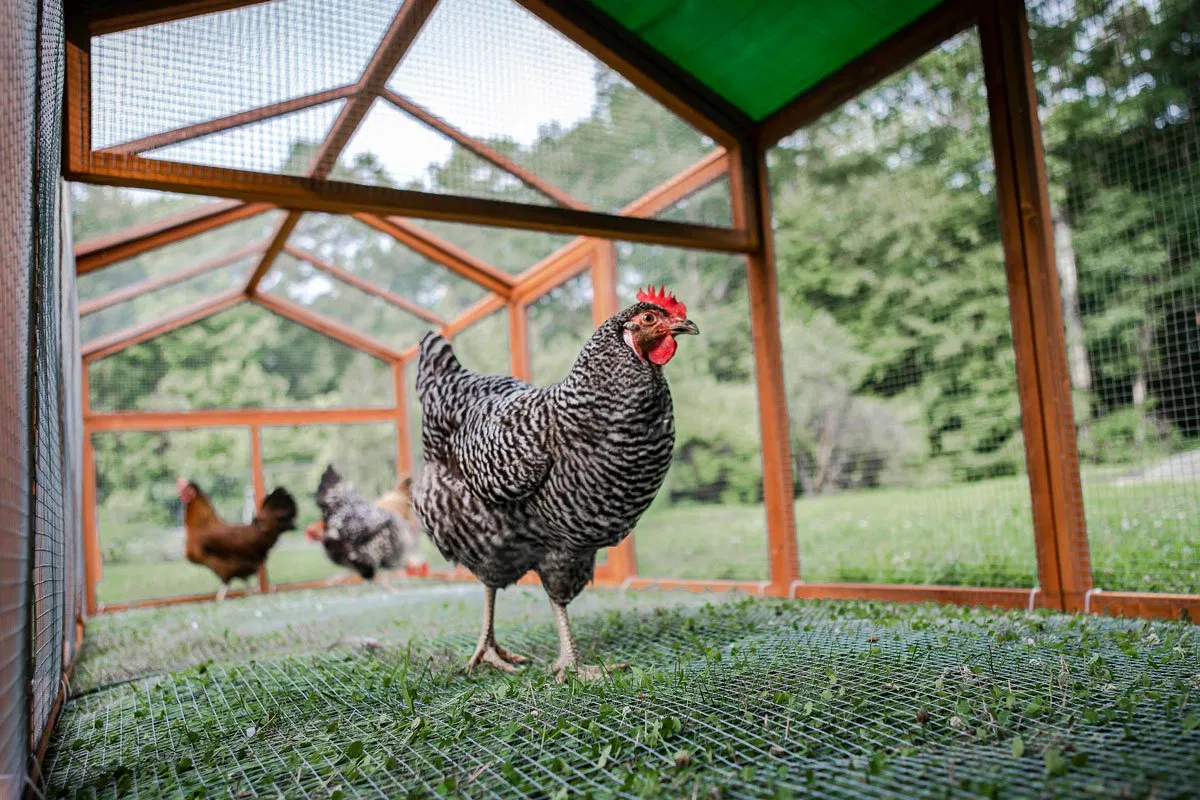
Waterers must be placed in the deepest, coolest part of the run. If you are using a predator-proof chicken run, ensure the water is positioned where the sun never hits the container. Direct sunlight on a plastic waterer creates a greenhouse effect, heating the water to dangerous levels within an hour.
The "Block Ice" Method
Don't use ice cubes; they melt too fast. Instead, freeze two-gallon jugs of water or large Tupperware blocks. Place these directly into the water reservoir. A large block of ice has less surface area than cubes and will keep the water temperature down for several hours, even in 110° heat.
Recognizing and Treating Heat Exhaustion
Even with the best "hacks," some birds: especially heavy breeds or older hens: may succumb to heat exhaustion. As an owner, you need to know the signs of a bird in trouble:
- Extreme Panting: Beak wide open, throat vibrating rapidly.
- Pale Comb/Wattles: This indicates the circulatory system is struggling.
- Lethargy: The bird is lying down and won't move even when approached.
- Lifted Wings: Holding wings away from the body to try and catch a breeze.
The Emergency Intervention
If you find a bird in this state, you must act fast. Do not submerge the bird in ice water; this can cause a heart attack from the shock. Instead, bring the bird into a cool area (like a garage or laundry room) and mist their feet and the underside of their wings with lukewarm water. Provide a concentrated dose of electrolytes via a dropper.
We provide the education and the birds, and we want to ensure you have the peace of mind that comes with knowing how to handle these emergencies.

The Economic Value of Proactive Hydration
For many, a backyard flock is an investment in self-sufficiency and food security. When you lose a hen to a heat spike, you aren't just losing a pet; you are losing months of feed costs, labor, and future egg production.
A single bottle of Southland Organics or a bag of electrolytes might cost $20-$30, but it can protect a flock worth hundreds of dollars. By implementing these hydration hacks, you are lowering your "cost per egg" by ensuring your birds stay healthy and productive through the summer months rather than going into a heat-induced molt or, worse, dying.
If you are still feeling unsure about your setup, check our FAQ for Arizona Chickens or reach out to us. We’ve been through these summers for years, and we’ve seen what works and what doesn't.
Final Thoughts: Staying Ahead of the Curve
The 110° spike is a rite of passage for every Arizona chicken owner. It is the moment when the "hobby" becomes a management task. But it doesn't have to be a tragedy. By moving beyond the water bowl: utilizing the gut-protecting power of Southland Organics, the replenishment of electrolytes, and the cooling effect of frozen hydration: you are giving your flock the best possible chance to thrive.
Don't wait for the birds to show signs of distress. Start your hydration hacks today, and you’ll find that even in the heart of a desert summer, your flock can remain a source of joy and abundance. Stay cool, keep those waterers shaded, and remember: a hydrated hen is a happy hen!
Ready for the Next 110° Spike?
If you want a simple, no-guesswork way to support your flock through brutal summer heat, grab the Heat-Wave Hydration Bundle. It pairs Southland Organics with Electrolytes so your birds have the hydration and mineral support they need when the temperature suddenly jumps.
This bundle is a practical way to stay ahead of heat stress instead of reacting once birds are already panting hard and slowing down. Keep it on hand before the next forecasted spike, add it to your water routine early, and give your flock a better shot at staying comfortable, hydrated, and productive.
Shop the Heat-Wave Hydration Bundle and get your summer hydration plan handled before 110° hits.