

Buy Family Food Security Chicken Package 2025: Climate‑Smart Choices for Southwest Families
In 2025, more families are choosing chickens to protect their grocery budgets, teach kids responsibility, and take control of food quality at home. If you live in Arizona, Texas, or hot Southwest climates, building the right flock is less about chasing trends and more about craftsmanship—careful breed selection, heat-ready genetics, and reliable egg output tuned to your family’s needs. Below, you’ll find a practical, budget-aware guide with real product recommendations from Az Chickens, a hatchery and breeder focused on hot weather flocks. We’ll show you how to assemble a “family food security package” for 3–4, 6–8, or 12+ chickens, plus climate tips, a simple ROI calculator, and a clean path to purchase.
Key Takeaways / Summary
- Why now: Research shows child food insecurity has risen by 15% since 2020, and consumers are more price sensitive—yet 68% still prefer locally sourced chicken. Building a backyard flock answers both stability and quality.
- Price ranges (products used in this guide): $7.99 (Hardy Rhode Island Red Chicks) to $84.90 (Ayam Ketawa Day‑Old Chicks); Heat‑Hardy Laying Hens & Pullets start at $32.99 per bird. Some items list price on product page only.
- Top brand featured: Az Chickens (heat‑hardy hatchery and breeder with quality service).
- Best features to look for in hot climates: heat tolerance, dependable laying, and straightforward care. Notables include a 48‑Hour Live Chick Guarantee on select items and hardy, dual‑purpose genetics.
- What to buy first for family food security: start with hardy, productive layers like Rhode Island Red chicks; supplement with started pullets to reduce your time-to-eggs.
- Package planning by family size: - Starter Family (3–4 birds): quick egg insurance for 1–2 dozen/week households. - Growing Family (6–8 birds): steadier supply and better buffer for summer slowdowns. - Extended Family (12+ birds): consistent egg production plus potential for meat birds (dual-purpose lines).
- Craftsmanship mindset: treat your flock like a well-tailored suit—select breeds that “fit” your climate, coop setup, and weekly egg needs. Attention to quality “materials” (feed, husbandry) pays off in consistency.
- ROI directionally improves as retail egg prices rise; the calculator below lets you compare feed costs versus store-bought eggs to find your break-even window.
- Hot-climate advantage: Az Chickens specializes in flocks made for heat, which matters in AZ/TX where summers can stress generic breeds.
- Next steps: choose your tier, add a mix of chicks and a few pullets for near-term eggs, and follow the 12‑week timeline to a steady pantry supply.
- Before purchasing: check local ordinances and HOA rules (roosters often restricted) and plan predator‑proofing for your coop and run.
Why family food security matters in 2025
If the summary above resonates, here’s why the timing makes practical sense. Families are balancing real constraints: higher food costs, occasional supply volatility, and changing household needs. Recent research indicates child food insecurity has climbed roughly 15% since 2020, with some rural counties exceeding 50% insecurity. At the same time, parents report their children influence food purchases in over 80% of households. Consumers are price sensitive, yet 68% prefer locally sourced chicken, and many are willing to invest modestly more for dependable supply and transparency. Chicken—as a steady egg and occasional meat source—offers practical control over nutrition and budget planning.
For those in the Southwest, heat stress is the quiet cost: some birds reduce laying or struggle in peak heat. Selecting heat‑ready genetics is not “nice to have”—it’s the difference between a textbook plan and one that actually produces eggs in August. Az Chickens focuses on heat-adapted flocks for Arizona and neighboring states, which supports consistent performance in real backyard conditions.
How chickens stabilize the family pantry
- Eggs are dependable protein. A small flock gives you weekly supply you can plan around, even when store prices fluctuate.
- Education built-in. Daily care routines and egg collection teach responsibility and food awareness—especially valuable for homeschool families.
- Quality you can taste. Attention to “quality materials”—better feed, shade, clean water—shows up in the egg box.
- Garden synergy. Manure composted correctly becomes a reliable soil amendment, closing the loop between kitchen, coop, and garden.
Think of your flock like a luxury suit tailored in Naples: true value comes from fit and craftsmanship. Breed selection (the “cut”), heat tolerance (the “fabric”), and husbandry (the “stitching”) combine to deliver year‑round performance. In short: select right, set up right, and your flock will wear well for years.
Package tiers by family size
Below are practical configurations using real products from Az Chickens. These are not pre‑boxed bundles; they’re purchasing plans you can build directly from the product links in this guide. Choose your family tier and mix chicks (for budget and breed variety) with a few pullets (for near‑term eggs):
- Starter Family (3–4 birds): - Base: 2–3 Hardy Rhode Island Red Chicks for dependable, dual‑purpose value. - Plus: 1 Heat‑Hardy Laying Hen or Pullet to shorten your time-to-first-egg.
- Growing Family (6–8 birds): - Base: 4–6 Rhode Island Red Chicks. - Variety: add 1–2 Rainbow Assorted Baby Chicks for colorful egg baskets (fun for kids). - Fast start: 1–2 Heat‑Hardy Laying Hens or Pullets.
- Extended Family (12+ birds): - Base: 8–10 Rhode Island Red Chicks (dual‑purpose utility). - Variety: 2–4 Rainbow Assorted Baby Chicks for color and engagement. - Optional “heritage/luxury” touch: 1–2 Ayam Ketawa Day‑Old Chicks if your family enjoys rare breeds and unique crowing—an artisanal flourish to your flock.
For hot-climate craft, add shade, reliable waterers, and ventilation. If you’re upgrading infrastructure, consult Az Chickens’ Southwest heat-hardy guide and their Arizona FAQ for climate-smart setup tips. As a quick sizing check: plan roughly 3–4 sq. ft. per hen in the coop, 8–10+ sq. ft. per hen in the run, about 8–10 inches of roost space per bird, one nest box per 3–4 hens, and generous cross‑ventilation for summer nights.
Product picks for 2025 family food security

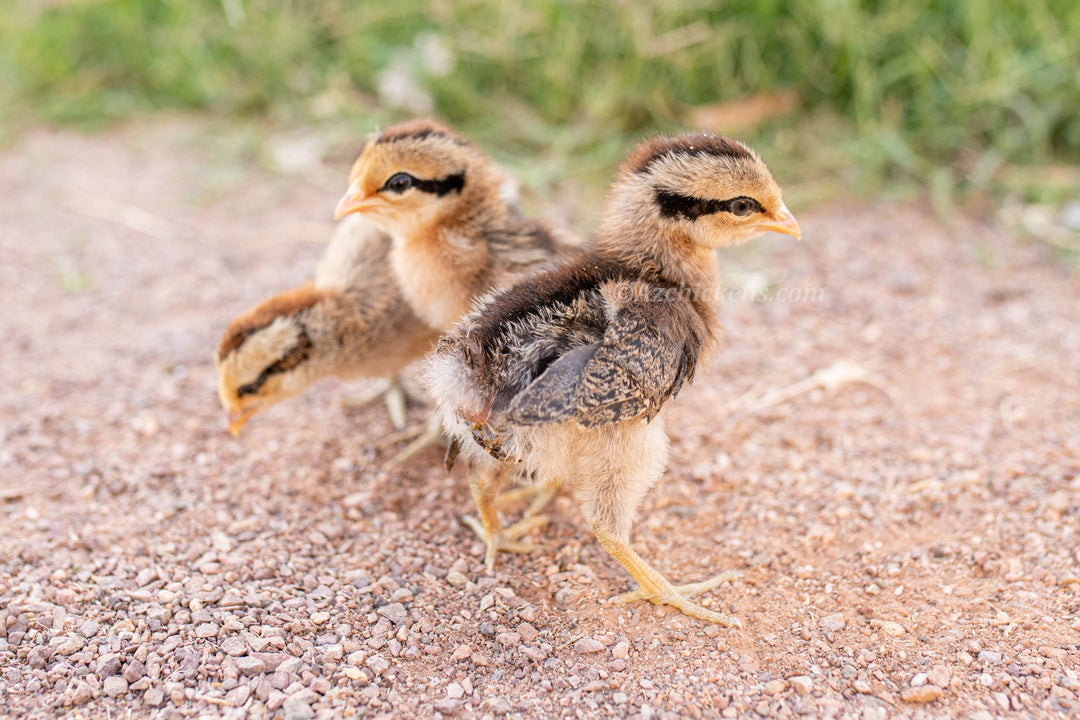
Rainbow Assorted Baby Chicks - Mixed Breed Colorful Egg Layers
See product page
Brand: Az Chickens
Material: feathers
- Variety of egg colors
- Fun addition to family farms
- Mixed-breed layers with steady performance and straightforward care
- Family-friendly temperaments; good fit for educational projects

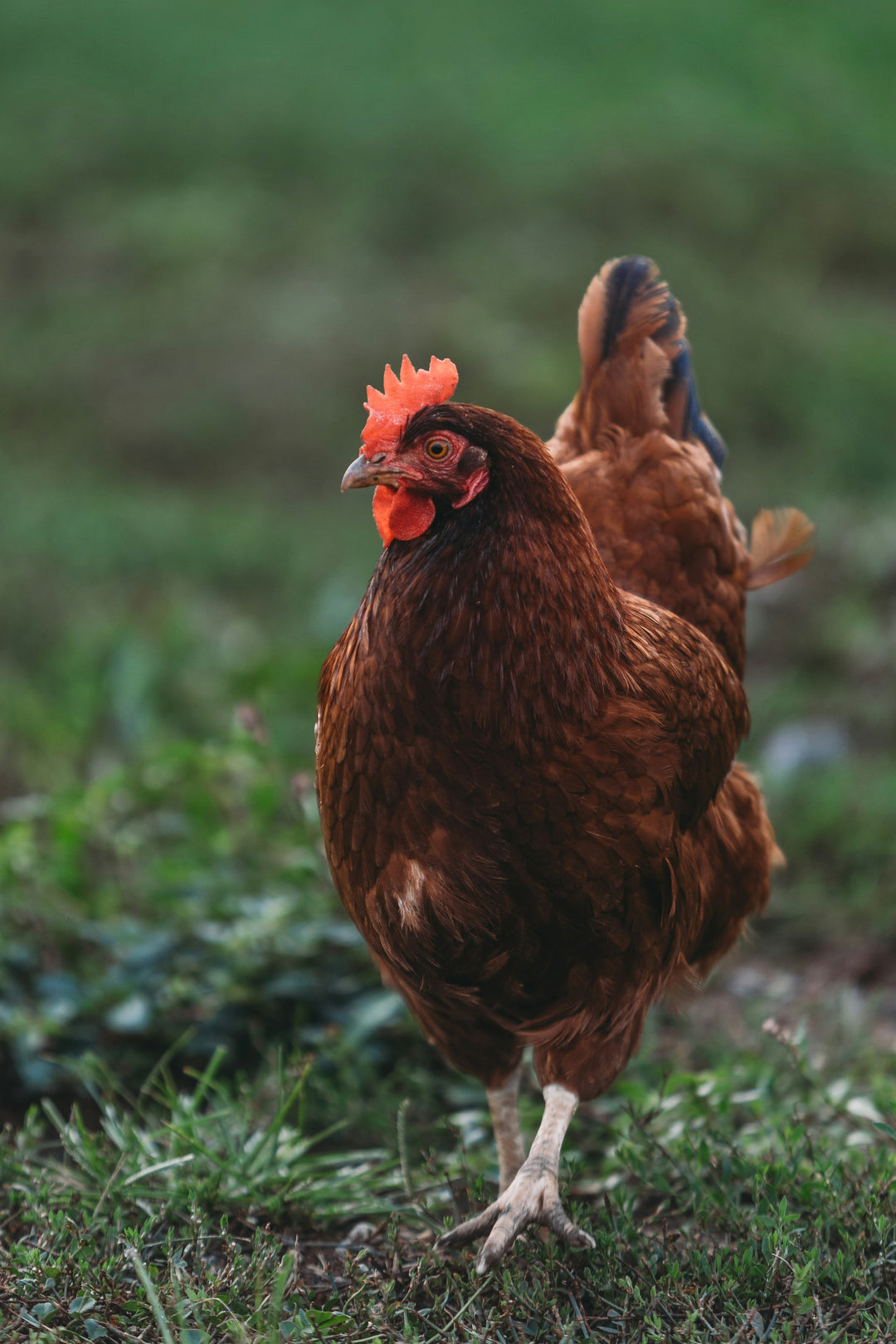
Heat-Hardy Laying Hens & Pullets - Arizona Local Pickup
$32.99
Brand: Az Chickens
Material: Non-GMO Feed
- 48 Hour Live Chick Guarantee
- Money-back guarantee for incorrect sexing
- Near point‑of‑lay birds help stabilize egg supply sooner
- Local pickup minimizes summer transport stress in AZ
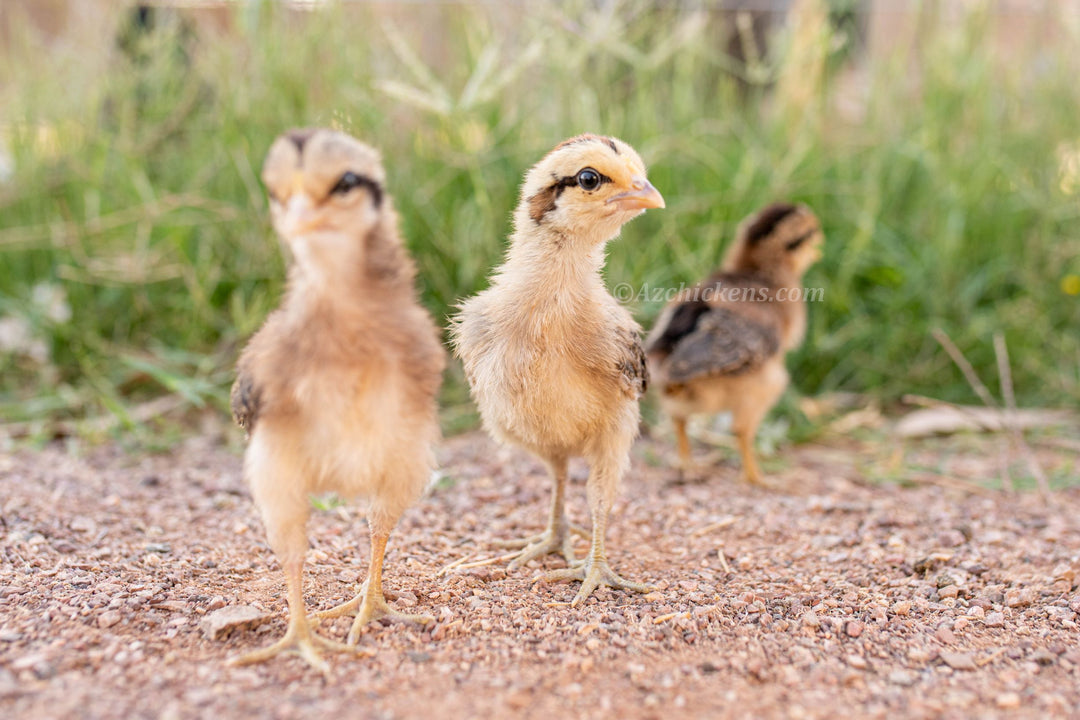
Ayam Ketawa Day-Old Chicks - Rare Indonesian Laughing Chicken
$84.90
Brand: Az Chickens
Material: Not specified
- Rare Indonesian breed
- Unique crowing sound adds entertainment
- Best as an ornamental/educational accent rather than a primary producer
- Plan for rooster noise and confirm local rules before adding this breed

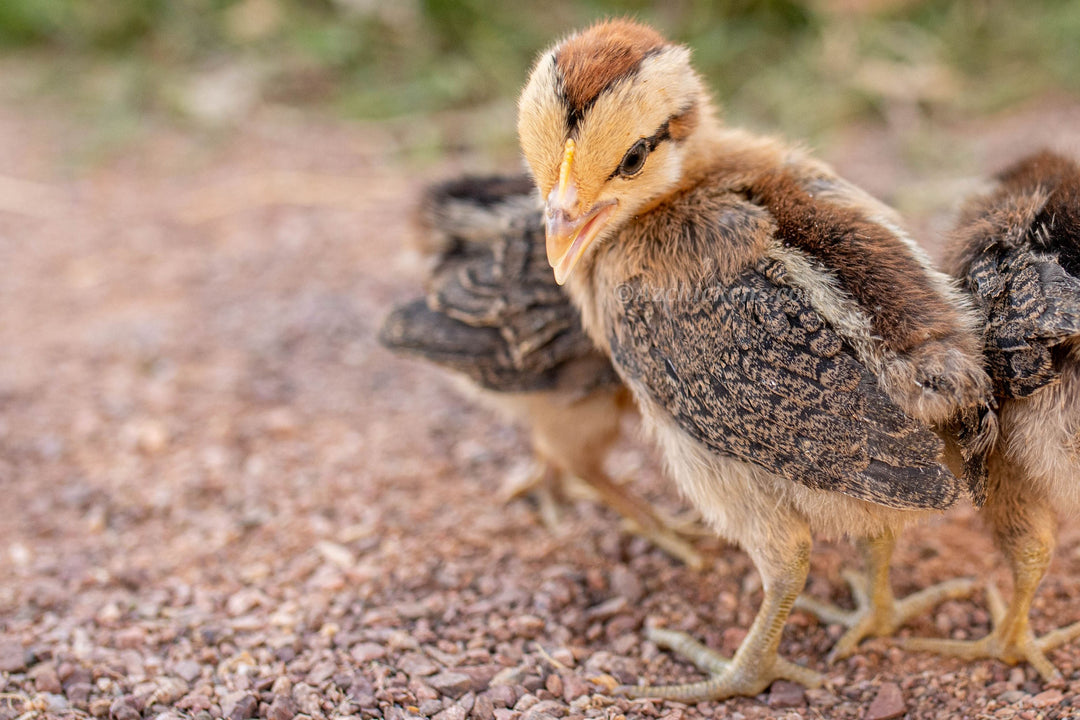
Hardy Rhode Island Red Chicks - Mahogany Red Dual-Purpose Breed
$7.99
Brand: Az Chickens
Material: Not specified
- Hardy in hot and cold climates
- Dependable layers and good foragers
- Adaptable to free‑range or coop‑run setups; calm, utility‑minded temperament
- Consistent brown eggs; foraging can offset feed costs
Craftsmanship for hot climates: build your flock like a well‑tailored suit
In menswear, luxury suits and Italian craftsmanship are prized for material quality and precision fit. The same mindset applies to family flocks. You’re curating genetics, temperament, and heat performance—then pairing them with quality inputs and husbandry. Here’s how that plays out:
- Cut (breed profile): Rhode Island Reds are a classic “dual-purpose” cut—dependable layers with meat potential and climate resilience. Rainbow Assorted chicks add color to the egg basket (family engagement) without complicating care.
- Fabric (climate fit): In Arizona and the Southwest, your birds must handle heat. That’s the specialty of Az Chickens. A heat-savvy pullet accelerates early egg supply and anchors your flock while chicks mature.
- Materials (feed, water, shade): Quality inputs show up directly in the egg box. Non‑GMO feed is listed on the Heat‑Hardy Laying Hens & Pullets product; align your whole flock’s diet to your standards and budget.
- Finishing (routine and design): Ventilation, shade, and hydration deliver day‑to‑day comfort. Smart management (frozen water bottles in summer, deep shade in late afternoon) preserves lay rates during peak heat.
For deeper setup guidance, see Az Chickens’ climate‑smart homestead starter guide and the sustainable hot‑climate breeds guide. As you refine, include a few simple safeguards: keep a backup waterer in the shade, add electrolytes on triple‑digit days, and use hardware cloth (not chicken wire) on openings to keep predators out.
Budget planning: where each product fits
- Entry value: Hardy Rhode Island Red Chicks at $7.99 deliver dependable, dual‑purpose performance and suit families wanting basics done right.
- Midrange speed‑to‑eggs: Heat‑Hardy Laying Hens & Pullets at $32.99 are ideal when you want faster pantry stability (and appreciate the listed guarantees).
- Artisanal/rare: Ayam Ketawa Day‑Old Chicks at $84.90 are a premium, rare breed pick—great if your family values uniqueness and education alongside food security.
- Egg basket variety: Rainbow Assorted Baby Chicks add colorful eggs and are a fun way to keep kids engaged with daily collection.
Remember to budget for ongoing essentials: quality feed, bedding, calcium (oyster shell) for layers, and grit if your birds lack access to small stones.
Getting started timeline (first 12 weeks)
- Week 0–1 (Purchase + Setup): Order chicks and (optionally) 1–2 pullets for near‑term eggs. Prepare brooder, shade plan, and waterers. Review Arizona FAQ for climate tips. Confirm local ordinances/HOA rules and finish predator‑proofing (latches, hardware cloth, buried apron).
- Week 1–3 (Brooder Craftsmanship): Stable heat, clean bedding, and frequent water checks. Use starter feed (medicated or non‑medicated per your preference). Keep chicks separate from adult pullets; introduce gentle handling for kids to build trust and responsibility.
- Week 4–6 (Grow‑out): Transition to coop/run. Heat management becomes critical: ventilation, shade, water. If you added pullets, egg supply begins anchoring your pantry. Start any integration with a see‑through barrier before fully mixing ages.
- Week 7–10 (Routine + Resilience): Establish a simple daily rhythm (feed, water, collect eggs, quick health scan). On very hot days, refresh water twice and consider electrolytes. This consistency is the “stitching” of your flock’s craftsmanship.
- Week 11–12 (Stabilize + Scale): Assess egg counts vs. family demand. If you need more supply, add a pair of pullets or another clutch of Rhode Island Reds from Chicks. Track what worked and adjust feed, shade, or flock size accordingly.
Teach kids responsibility through care
- Daily jobs: water refill, feeder checks, egg collection, and closing the coop.
- Weekly jobs: bedding top‑off, quick run clean, and observing bird behavior.
- Seasonal focus: summer shade and hydration routines in AZ/TX heat, plus keeping journals of egg counts (math + science tie‑in).
- Biosecurity habit: wash hands after handling birds or equipment; keep shared surfaces clean.
For multi‑generational families or grandparents gifting a starter flock, pair simple chores with a “family egg ledger.” It builds accountability and multiplies the value of your investment beyond protein alone.
Plan egg output vs. budget with a simple ROI calculator
Retail egg prices fluctuate, and chicken prices are forecast to grow at a 6.7% CAGR. Use this quick calculator to compare store‑bought eggs to your flock’s monthly feed costs. Enter your own numbers to find a break‑even window.
Notes: This simple model excludes bedding, housing, and time. Typical layers eat roughly 0.25–0.33 lb of feed per day; summer heat can reduce intake and laying. Adjust entries to reflect your conditions and goals.
Fine‑tuning your package: egg goals, climate, and care
Use Az Chickens’ egg production collection to sort birds by output if you want to benchmark tiers against your family’s weekly egg needs. If you plan for 1–2 dozen per week, the Starter Family tier with a pullet is typically sufficient; for 3–5 dozen, move into Growing Family territory. To push beyond, Extended Family planning gives you cushion for heat slowdowns and holidays. If you’re considering meat as well as eggs, read Our Trials With Meat Birds to see practical lessons from the field.
Families who want fast, reliable results often combine “budget workhorses” with a “near‑term anchor.” In this guide, that’s Rhode Island Red chicks paired with 1–2 Heat‑Hardy Pullets. If you value unique breeds and educational experiences, add Ayam Ketawa as a premium accent. If you want a colorful egg basket (kids love it), incorporate Rainbow Assorted Baby Chicks.
Education and family engagement
Make chicken care a simple curriculum. Younger kids can handle water checks and egg collections; older kids can track feed usage, egg counts, and summer heat strategies. Consider journaling your flock story (measurements, photos, egg totals) and reading Az Chickens’ guide to buying chickens at different life stages. It builds real‑world math, science, and planning skills—valuable habits far beyond the coop.
Practical buying advice for 2025
- Decide your tier first: pick Starter, Growing, or Extended based on your weekly egg needs and how soon you want eggs (pullets = sooner).
- Match for heat: prioritize heat‑adapted lines. Az Chickens’ focus on hot weather flocks is a material advantage in AZ/TX summers.
- Balance budget and speed: chicks are budget‑friendly; pullets shorten your wait. Combining both is often the best value.
- Focus on quality inputs: consistent shade, water, and feed. The “quality materials” of your flock translate directly into egg consistency.
- Use guarantees: where listed (like the 48‑hour live chick guarantee), you get extra peace of mind.
- Know the rules: confirm local ordinances (especially rooster restrictions) before you buy.
Clickable image gallery (all images link to their product)
Use these visuals to compare feathering, color, and chick/hen stages. Every image below clicks to the specific product page:





How many birds should you buy?
Here’s a simple way to decide:
- Count your breakfasts: Families eating eggs most mornings do best in the Growing tier (6–8 hens). If your egg use varies, start with the Starter tier and add pullets later.
- Consider summer: In the Southwest, birds may slow down in peak heat. Building a slight surplus in spring helps you coast through summer.
- Think schooling: If homeschooling or teaching responsibility is a priority, mixing a few colorful layers (Rainbow Assorted) keeps kids engaged while you rely on hardy producers like Rhode Island Reds.
Where to go next
- Shop by life stage and production: Chicks | Adult Chickens | By Egg Production Per Year
- Read before you buy: Heat‑Hardy Southwest 2025 Guide
- Learn the farm story: Our Story
Final notes on buying in 2025
With chicken prices projected to grow at a 6.7% CAGR and households keeping a closer eye on costs, families are right to demand value and craft—birds that perform in heat, steady lay rates, and straightforward care. Treat your flock decisions like a high‑end wardrobe: select a cut (breed) that fits your lifestyle, insist on quality materials (feed, shade, water), and invest in structure (routine) that lasts. Az Chickens’ focus on hot‑climate breeding and quality service makes it a strong partner for families who want their food supply to be resilient, transparent, and genuinely useful week after week.


