


Best Chicken Coops for Small Backyards
This collection showcases compact chicken coops and accessories designed for small backyards. It highlights space-efficient, predator-safe designs that are easy to assemble and maintain.
Key Takeaways
- Space matters: choose a coop that fits your flock and the yard; aim for around 3-4 sq ft per bird inside the coop when there is a run, and ensure outdoor run space is 8-10 sq ft per bird if you can.
- Predator protection is essential: look for hardware cloth, secure latches, and predator-proof doors.
- Easy maintenance improves consistency: look for removable trays, simple nesting box access, and washable surfaces.
- Plan for future growth: if you think you might expand, pick a coop design that can be upgraded or paired with an additional run.
What should you look for in chicken coops for small backyards?
Key factors include suitable size for your flock, sturdy predator protection (e.g., hardware cloth and secure latches), good ventilation and dry flooring, safe roosting space, and accessible cleaning. Also consider whether the design allows easy expansion with an attached run.
How do you choose the right coop size for your flock?
- Estimate flock size and space per bird (3-4 sq ft inside the coop if there is a run; 8-10 sq ft per bird if no outdoor area).
- Consider climate and ventilation needs for comfort and health.
- Account for run space to give chickens room to roam and reduce stress.
- Plan for future growth or seasonal changes; choose modular designs if you anticipate expansion.
- Check local regulations on coop size and setbacks.
Frequently Asked Questions
Sources
- Living on the land: Backyard chicken coop design — extension.oregonstate.edu
- Backyard Flock Production — extension.okstate.edu
- Small-scale Poultry Housing — pubs.ext.vt.edu
- Resources for Backyard Flocks — erie.cce.cornell.edu
- Poultry | CSU Extension — extension.colostate.edu
-
Smart CoopCam: cámara con IA para gallineros y detección de depredadores
Best Chicken Coops for Small BackyardsPrecio habitual $79.00Precio habitualPrecio unitario por$99.00Precio de oferta $79.00Oferta -
Sistema Beber para Gallinas de 19 Litros - Sin BPA
Best Chicken Coops for Small BackyardsPrecio habitual $49.99Precio habitualPrecio unitario por -
Criadora de pollos - 2 secciones, altura: 15" (Kit básico para pollos, pavos y patos)
Best Chicken Coops for Small BackyardsPrecio habitual $269.99Precio habitualPrecio unitario por -
Panel solar de doble carga: cámara para gallinero resistente a la intemperie IP65
Best Chicken Coops for Small BackyardsPrecio habitual $39.00Precio habitualPrecio unitario por$39.00Precio de oferta $39.00 -
Paquete de gallinero automatizado Smart Coop Unlimited+ - Pollitos gratis
Best Chicken Coops for Small BackyardsPrecio habitual $2,095.00Precio habitualPrecio unitario por$2,995.00Precio de oferta $2,095.00Oferta -
Up to 15% OFF

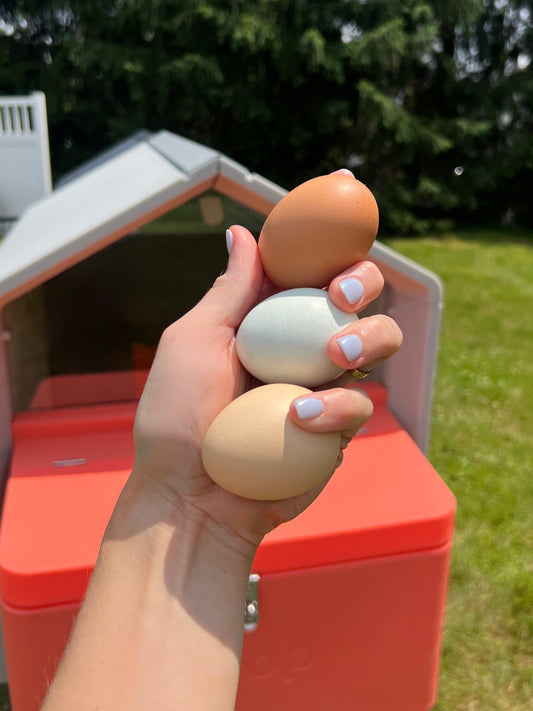
Gallinero inteligente automatizado + corral de acero - Cámaras con IA y control por app
Best Chicken Coops for Small BackyardsPrecio habitual A partir de $1,695.00Precio habitualPrecio unitario por$1,995.00Precio de oferta A partir de $1,695.00Oferta -
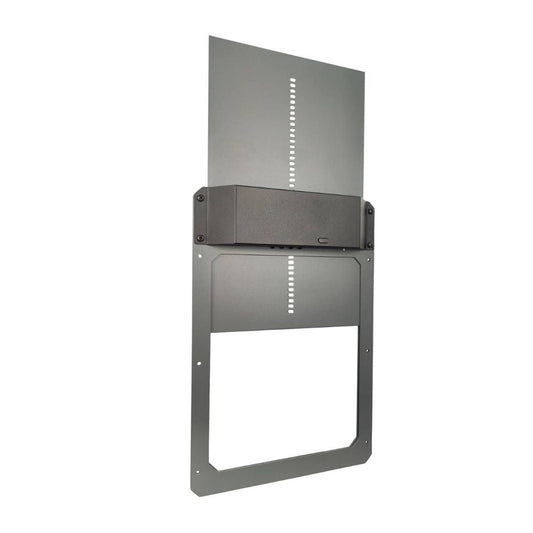
Puerta automática para gallinero Farmight, aluminio
Best Chicken Coops for Small BackyardsPrecio habitual $99.99Precio habitualPrecio unitario por -
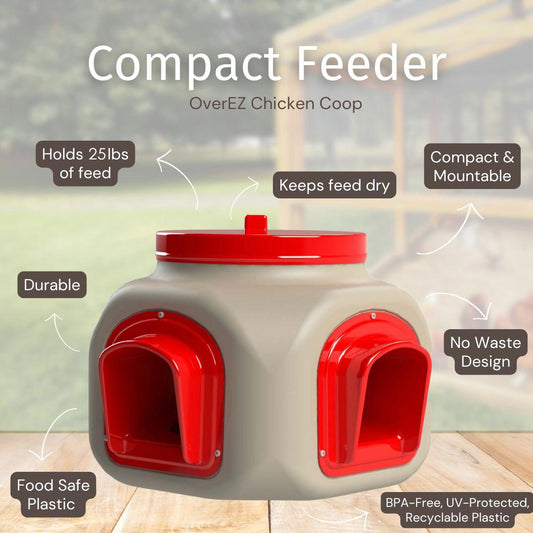
Comedero para Pollos de 25 LB - Diseño Sin Desperdicio y Protegido UV
Best Chicken Coops for Small BackyardsPrecio habitual $49.99Precio habitualPrecio unitario por -
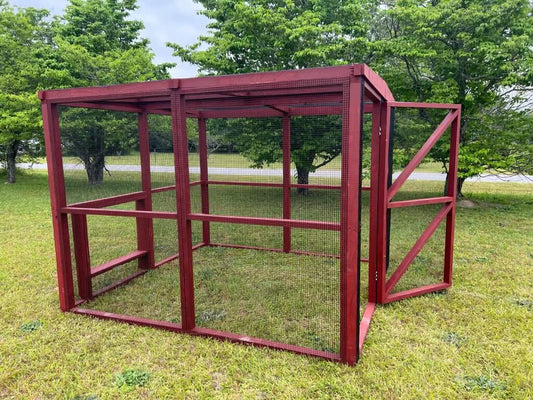
Paneles de alambre tratado a presión para gallineros - Seguridad de calibre 16
Best Chicken Coops for Small BackyardsPrecio habitual $449.99Precio habitualPrecio unitario por -
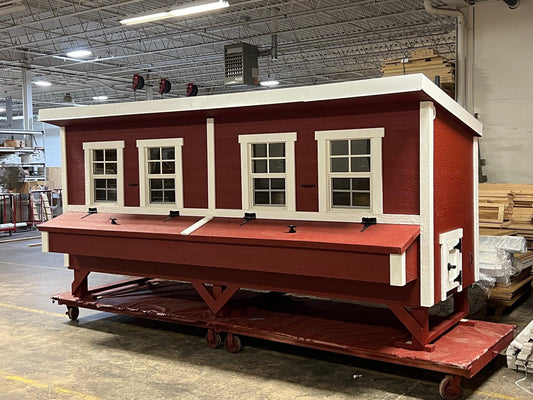
Gallinero grande de madera OverEZ: 30 gallinas, 10 nidos
Best Chicken Coops for Small BackyardsPrecio habitual $4,699.00Precio habitualPrecio unitario por











Featured On


Do you offer a live-arrival guarantee for quail?
Do you offer local pickup instead of shipping?
How are live quail shipped and what should I expect?
How do you ship hatching eggs safely?
How does shipping work for baby chicks?


Live Chick Guarantee
We go the extra mile and provide 115% store credit for any losses.

Self-Sufficient
Eggs for breakfast & food for the family!

Heat Hardy
Focusing on heat hardy birds and flock support

Customer Service
You have questions? We're family operated and treat you like family!
- Al seleccionar una opción, se actualiza toda la página.
- Se abre en una nueva ventana.