


Best Chicken Feed for Beginners
This collection showcases the best chicken feed options for beginners. You’ll find starter, grower, and layer feeds, plus protein-rich add-ons to support healthy growth from chicks to laying hens. All products fit into a practical, beginner-friendly feeding plan.
Key Takeaways
- Start with a chick starter to meet high protein needs during growth
- Switch to grower then layer feeds as birds mature and begin laying
- Look for age-appropriate protein, calcium, and vitamin/mineral balance
- Incorporate protein-rich supplements (e.g., BSFL or mealworms) as advised for your flock
What should you look for in chicken feed?
Choose feeds matched to the birds’ life stage (starter, grower, layer). Check protein percentages (roughly 18-22% for chicks, 14-18% for grower, 16-18% for layers), calcium sources for layers, and additives for gut health and immunity.
How do you choose the right feed for your flock's needs?
- Know the birds’ age and purpose (eggs vs meat)
- Follow transitions gradually to avoid digestive upset
- Pair feed with access to clean water and grit
- Consider organic/non-GMO options if preferred
- Monitor body condition and egg production to adjust feeding
Frequently Asked Questions
Sources
- Feeding Your Flock — extension.umd.edu
- Raising Backyard Chickens for Eggs — extension.umn.edu
- Chick Starter vs Layer Feeding — extension.usu.edu
- AN239: Raising Your Home Chicken Flock — edis.umd.edu
-
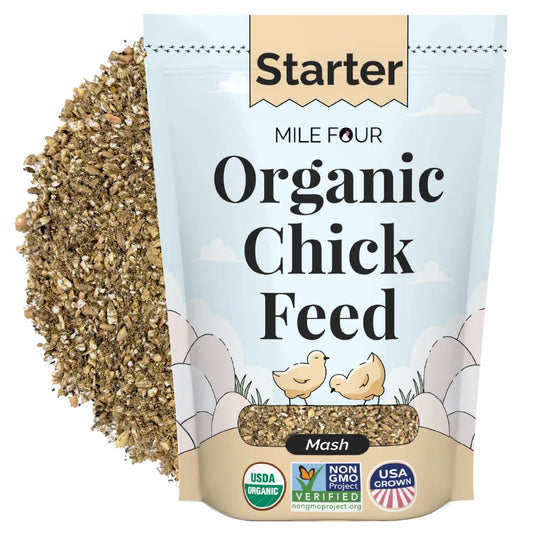
Alimento inicial orgánico para pollos sin maíz - Sin OMG ni soja
Best Chicken Feed for BeginnersPrecio habitual A partir de $19.99Precio habitualPrecio unitario por$55.99Precio de oferta A partir de $19.99Oferta -
Up to 66% OFF

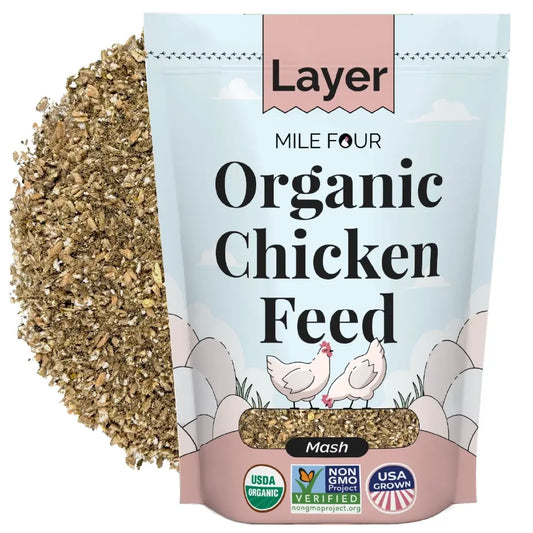
Alimento orgánico para gallinas ponedoras Mile Four - Sin maíz, sin soja y sin OMG
Best Chicken Feed for BeginnersPrecio habitual A partir de $19.99Precio habitualPrecio unitario por$57.99Precio de oferta A partir de $19.99Oferta -
Up to 75% OFF

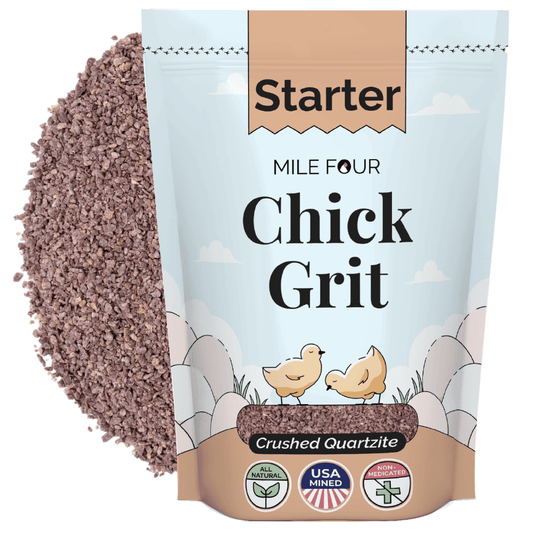
Sémola de pollo premium: ayuda digestiva para aves de corral de iniciación y ponedoras
Best Chicken Feed for BeginnersPrecio habitual A partir de $19.99Precio habitualPrecio unitario por$79.99Precio de oferta A partir de $19.99Oferta -
Up to 44% OFF

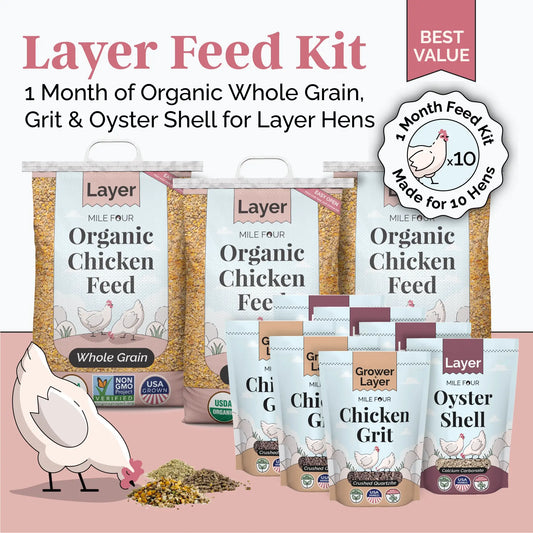
Kit de alimento orgánico para gallinas ponedoras: suministro para 1 mes para 6 gallinas con arena
Best Chicken Feed for BeginnersPrecio habitual A partir de $159.99Precio habitualPrecio unitario por$283.90Precio de oferta A partir de $159.99Oferta -
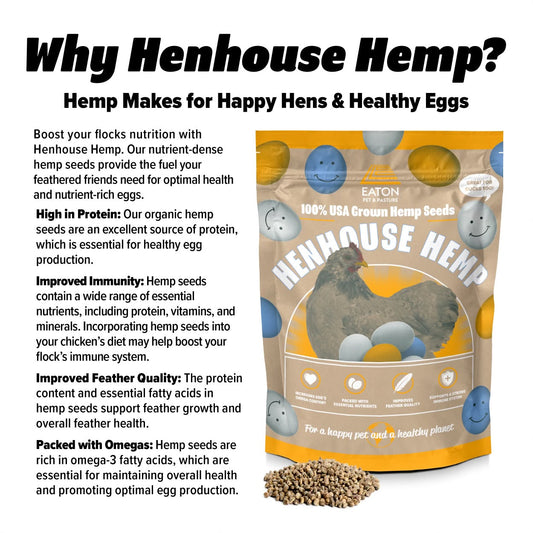
Suplemento alimenticio orgánico para pollos Henhouse Hemp - 4 lb
Best Chicken Feed for BeginnersPrecio habitual $17.99Precio habitualPrecio unitario por -
Desodorante natural para gallineros GrubTerra - Fórmula para 15 semanas
Best Chicken Feed for BeginnersPrecio habitual $18.95Precio habitualPrecio unitario por$22.95Precio de oferta $18.95Oferta -
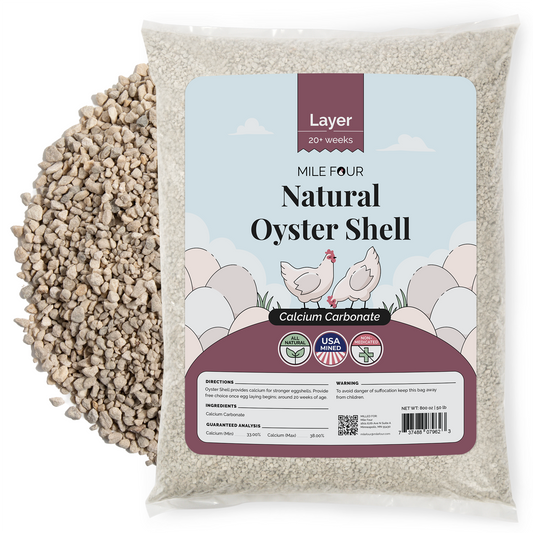
Suplemento de calcio orgánico de concha de ostra para gallinas ponedoras
Best Chicken Feed for BeginnersPrecio habitual A partir de $19.99Precio habitualPrecio unitario por$79.99Precio de oferta A partir de $19.99Oferta -
Up to 63% OFF

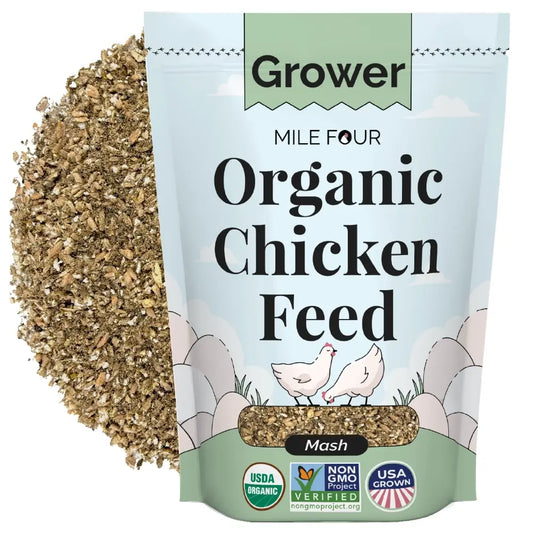
Alimento orgánico para pollos de crecimiento, sin maíz ni soja - Sin OMG, cultivado en EE. UU.
Best Chicken Feed for BeginnersPrecio habitual A partir de $19.99Precio habitualPrecio unitario por$53.99Precio de oferta A partir de $19.99Oferta -
Up to 32% OFF


Kit de alimentación inicial orgánica: alimento y arena para 10 pollitos durante 8 semanas
Best Chicken Feed for BeginnersPrecio habitual $229.99Precio habitualPrecio unitario por$339.91Precio de oferta $229.99Oferta -
Alimento de inicio para pollitos Healthy Harvest sin OMG, 20 % de proteína, de 5 a 40 lb
Best Chicken Feed for BeginnersPrecio habitual A partir de $17.99Precio habitualPrecio unitario por







Featured On


Do you offer a live-arrival guarantee for quail?
Do you offer local pickup instead of shipping?
How are live quail shipped and what should I expect?
How do you ship hatching eggs safely?
How does shipping work for baby chicks?


Live Chick Guarantee
We go the extra mile and provide 115% store credit for any losses.

Self-Sufficient
Eggs for breakfast & food for the family!

Heat Hardy
Focusing on heat hardy birds and flock support

Customer Service
You have questions? We're family operated and treat you like family!
- Al seleccionar una opción, se actualiza toda la página.
- Se abre en una nueva ventana.