

Best Eggs for Home Bakers
This shoppable collection highlights eggs ideal for home bakers. Includes fresh quail eggs, chicken eggs, and a selection of egg-related gear for baking and kitchen use. Explore premium egg options and practical accessories to elevate your baking at home.
Key Takeaways
- Choose eggs by grade for reliable baking results
- Consider egg size and weight to match recipe needs
- Explore egg packaging and storage to keep eggs fresh
- Experiment with quail eggs for unique flavor and texture in recipes
What should you look for in eggs for baking?
Look for large eggs as a standard benchmark. In the US, a large egg is about 50 grams with consistent weight and shell quality. Grade AA or A typically indicates good quality and freshness for most baking needs.
How do you choose the right eggs for baking goals?
- Match egg size to the recipe's required volume
- Consider egg grade and freshness for mixing and leavening
- Check shell integrity and absence of cracks
- Prefer eggs from reputable sources with clear packaging
Frequently Asked Questions
Sources
- USDA Egg Grading and Standards — ams.usda.gov
- Choosing Eggs for Baking — kingarthurbaking.com
- How to Tell If Eggs Are Fresh — seriouseats.com
- Room-Temperature Eggs for Baking — thekitchn.com
- Egg Size and Baking — joyofbaking.com
-
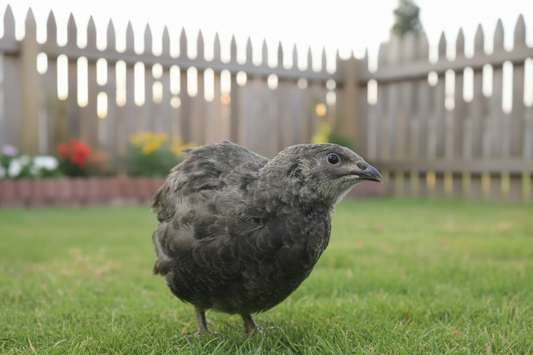
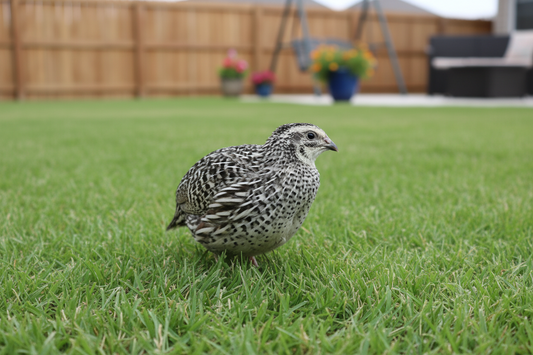
Black and White Edition Coturnix Quail Hatching Eggs
Best Eggs for Home BakersPrezzo di listino Da $89.90Prezzo di listinoPrezzo unitario per -
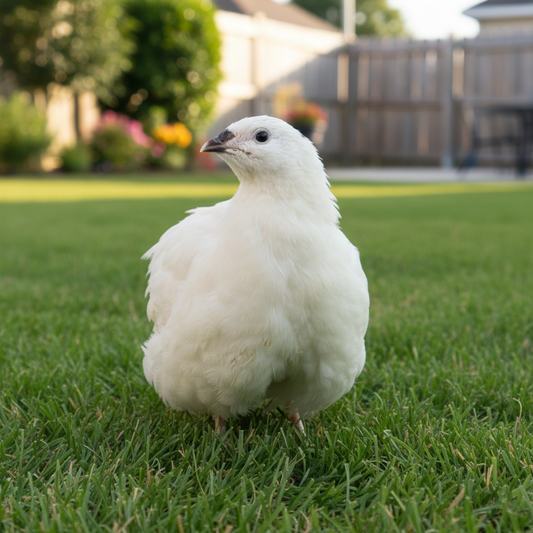
Premium Jumbo White Coturnix Quail Hatching Eggs – English White Line
Best Eggs for Home BakersPrezzo di listino Da $69.99Prezzo di listinoPrezzo unitario per -
German Chocolate Pansy Coturnix Quail Hatching Eggs – Deep Color & Dependable Layers
Best Eggs for Home BakersPrezzo di listino Da $69.99Prezzo di listinoPrezzo unitario per -
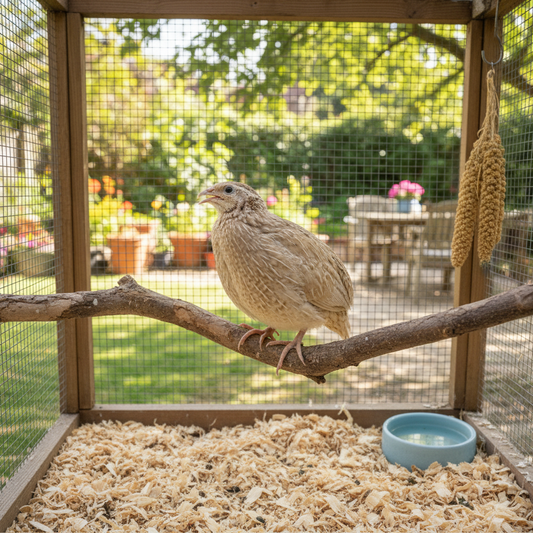
Ginger Coturnix Quail Hatching Eggs – Warm Plumage & Easy Keeping
Best Eggs for Home BakersPrezzo di listino Da $69.99Prezzo di listinoPrezzo unitario per -
Georgia Giant Bobwhite Quail Hatching Eggs
Best Eggs for Home BakersPrezzo di listino Da $129.99Prezzo di listinoPrezzo unitario per -
Egyptian Gold Coturnix Quail Hatching Eggs – Rare Color, Reliable Layers
Best Eggs for Home BakersPrezzo di listino Da $69.99Prezzo di listinoPrezzo unitario per -
Autumn Sparkly Coturnix Quail Hatching Eggs – Vibrant Feather Color & Reliable Layers
Best Eggs for Home BakersPrezzo di listino Da $69.99Prezzo di listinoPrezzo unitario per -
Pearl-Pansy Coturnix Quail Hatching Eggs – Soft, Elegant & Easy to Hatch
Best Eggs for Home BakersPrezzo di listino Da $69.99Prezzo di listinoPrezzo unitario per






Featured On


Do you offer a live-arrival guarantee for quail?
Do you offer local pickup instead of shipping?
How are live quail shipped and what should I expect?
How do you ship hatching eggs safely?
How does shipping work for baby chicks?


Live Arrival Guarantee
We go the extra mile — up to 150% store credit to make it right.

Fast, Careful Shipping
Order today — your flock ships fast and handled with care.

Raised Right
Non-GMO fed, vet & state checked.

24/7 Support
Real help any time — family operated. 602-699-4204.
- Scegliendo una selezione si ottiene un aggiornamento completo della pagina.
- Si apre in una nuova finestra.