


Best Chicken Feed for Beginners - Premium Poultry Supplies
Starting your chicken-keeping journey begins with one crucial decision: choosing the right feed for your flock. Whether you're raising day-old chicks or bringing home your first laying hens, proper nutrition forms the foundation of healthy, productive chickens. Our carefully curated collection of the best chicken feed for beginners takes the guesswork out of poultry nutrition, featuring premium options that experienced keepers trust and newcomers can confidently use. From high-protein chick starters that support rapid early growth to nutrient-rich layer feeds formulated for consistent egg production, each product in this collection meets the exacting standards your birds deserve. We've included non-GMO options with immune-boosting herbs like oregano and garlic, innovative soy-free formulas featuring black soldier fly protein, and convenient starter kits that provide everything you need in one package. Whether you're concerned about ingredient quality, seeking specific protein sources, or simply want to try a variety of premium treats to discover your flock's favorites, this collection offers trusted solutions that make chicken keeping simpler and more successful from day one.
Key Takeaways
- Protein content matters: chicks need 18-20% protein while laying hens require 16-17% for optimal egg production
- Non-GMO and natural feeds with added supplements like oregano, garlic, and oyster shells support immune health and strong eggshells
- Starting with a complete kit or variety pack helps beginners learn what their chickens prefer without large upfront investments
- Switching between feed types should be gradual over 7-10 days to prevent digestive upset in your flock
What should you look for in chicken feed as a beginner?
As a beginner chicken keeper, focus on three essential factors when selecting feed: appropriate protein content for your flock's age, quality ingredients, and added nutritional supplements. Chicks require higher protein levels (18-20%) to support rapid growth, while adult laying hens thrive on 16-17% protein formulas. Look for feeds that include calcium sources like oyster shells for strong eggshells, and natural additives such as oregano and garlic that support immune function. Non-GMO and soy-free options are increasingly popular for those seeking cleaner nutrition. The feed form also matters—crumbles are ideal for chicks and smaller birds as they're easier to eat than pellets, while layer feeds come in various textures. Starting with well-formulated complete feeds eliminates the guesswork of supplementation and ensures your chickens receive balanced nutrition from day one.
How do you choose the right feed for your chicken's life stage?
- Baby chicks (0-6 weeks): Use starter feeds with 18-20% protein like chick crumbles to support rapid growth and development during this critical period
- Pullets (6-18 weeks): Transition to grower feeds with 16-18% protein as growth slows but nutritional needs remain high
- Laying hens (18+ weeks): Switch to layer feeds with 16-17% protein and added calcium (3-4%) to support consistent egg production and shell quality
- Consider specialty formulas: Soy-free options with black soldier fly larvae or fishmeal provide alternative protein sources for chickens with sensitivities
- Supplement with treats: Introduce variety packs gradually, limiting treats to 10% of total diet to maintain nutritional balance
Frequently Asked Questions
What is the best starter feed for chickens?
The best starter feed for baby chicks contains 18-20% protein and comes in a crumble form that's easy for small beaks to consume. Look for medicated or non-medicated options depending on your preference—medicated feeds contain amprolium to prevent coccidiosis, a common intestinal disease in young chicks. All-natural chick crumbles with complete nutrition are ideal for beginners, as they provide balanced vitamins, minerals, and amino acids essential for healthy development. Quality starter feeds should be fed from hatch until approximately 6 weeks of age, or until chicks are ready to transition to grower feed. Many beginners find success with starter kits that include both premium feed and essential supplies, ensuring they have everything needed for those critical first weeks.
What is the 90 10 rule for chickens?
The 90/10 rule for chickens is a fundamental feeding guideline that states 90% of your flock's diet should come from nutritionally complete chicken feed, while only 10% should consist of treats, scraps, or supplements. This ratio ensures your chickens receive all essential nutrients—proteins, vitamins, minerals, and amino acids—needed for health, growth, and egg production. Exceeding the 10% treat threshold can lead to nutritional imbalances, reduced egg production, obesity, and health problems. For beginners, this rule is especially important because it's tempting to over-treat your chickens. Healthy treat options include mealworms, vegetables, fruits, and scratch grains, but these should always be supplementary to their main feed. Following the 90/10 rule helps maintain optimal flock health while still allowing you to bond with your chickens through occasional treats.
What is the number one killer of chickens?
Predators are statistically the number one killer of backyard chickens, with raccoons, foxes, hawks, and dogs being the most common threats. However, from a disease perspective, respiratory infections and coccidiosis rank as leading causes of chicken mortality, especially in young birds. For beginners, prevention is key: secure coops with hardware cloth (not chicken wire), ensure proper ventilation to prevent respiratory issues, maintain clean living conditions, and provide quality feed that supports immune function. Feeds containing natural immune-boosting ingredients like oregano and garlic can help strengthen your flock's defenses. Other significant threats include extreme weather exposure, nutritional deficiencies from poor-quality feed, and internal parasites. Starting with a solid foundation of proper housing, quality nutrition, and biosecurity practices dramatically reduces mortality rates and helps beginners succeed in chicken keeping.
What do the Amish feed their chickens?
The Amish traditionally feed their chickens a combination of whole grains, kitchen scraps, garden produce, and foraged foods, emphasizing natural, non-GMO ingredients and sustainable practices. Their approach typically includes cracked corn, wheat, oats, and barley as base grains, supplemented with protein sources like fishmeal or insects the chickens catch while free-ranging. Many Amish farmers also incorporate whey from cheese-making, vegetable scraps, and herbs grown on their farms. This traditional method aligns with modern preferences for all-natural, non-GMO layer feeds that include whole food ingredients and beneficial additives like garlic and oregano. For beginners who admire this approach but lack the time or resources for custom feed mixing, commercially available all-natural and non-GMO layer feeds offer similar nutritional philosophy with the convenience of complete, balanced nutrition. These feeds capture the essence of traditional feeding practices while ensuring consistent quality and proper nutrient ratios.
How much feed does a beginner need for their first chickens?
A beginner with a small flock of 3-6 chickens should expect each adult hen to consume approximately 1/4 to 1/3 pound of feed daily, totaling about 1.5-2 pounds per day for six birds. This means a 50-pound bag of layer feed lasts roughly 25-30 days for a small flock. Baby chicks eat significantly less—about 1-2 ounces per day initially—but consumption increases rapidly as they grow. For beginners, starting with 10-25 pound bags allows you to test different feed types without waste, as feed quality degrades over time when stored improperly. Store feed in airtight containers in cool, dry locations to prevent mold and pest infestation. Many new chicken keepers find that variety packs and starter kits provide the perfect introduction, offering smaller quantities to determine what their flock prefers before committing to larger bags. Plan to have at least two weeks' worth of feed on hand to avoid running out unexpectedly.
Sources
- The Best Chicken Feed — www.backyardchickens.com
- The best chicken feed — www.businessinsider.com
- Best Chicken Feed for Healthier Meat & Eggs | New Country Organics Review! — www.youtube.com
- Chicken Coop Ideas & Everything Backyard Chicken | Is naturewise chicken feed a good option | Facebook — www.facebook.com
- Chicken Feed: How to Choose for Your Flock — grubblyfarms.com
-
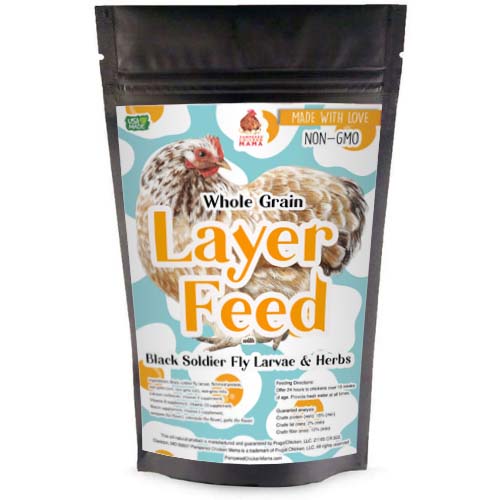
16% プロテイン無大豆飼料 - ブラックソルジャーフライ&フィッシュミール
Best Chicken Feed for Beginners - Premium Poultry Supplies通常価格 $34.47から通常価格単価 あたり$57.97セール価格 $34.47からセール -
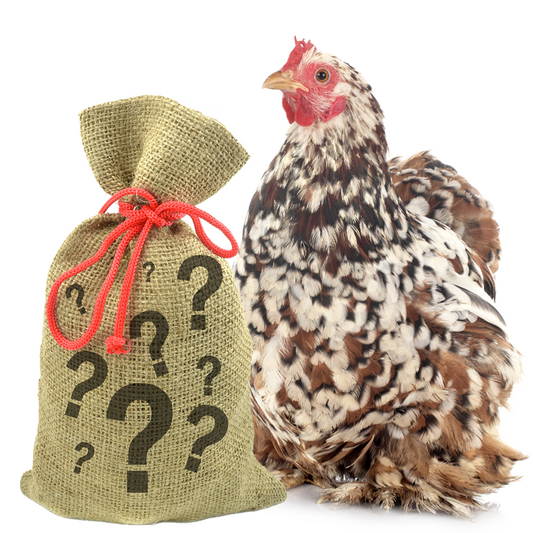
7 Pound Mystery Chicken Treat Bundle - 7 Premium Treats Variety Pack
Best Chicken Feed for Beginners - Premium Poultry Supplies通常価格 $34.49通常価格単価 あたり$49.99セール価格 $34.49セール -
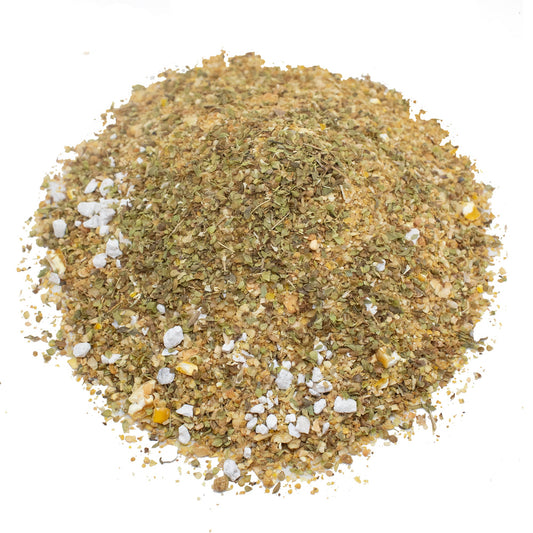
オレガノ、にんにく、貝殻入り非遺伝子組み換えレイヤーフィード 16%プロテイン
Best Chicken Feed for Beginners - Premium Poultry Supplies通常価格 $37.99から通常価格単価 あたり$32.99セール価格 $37.99から



Featured On


Do you offer a live-arrival guarantee for quail?
Do you offer local pickup instead of shipping?
How are live quail shipped and what should I expect?
How do you ship hatching eggs safely?
How does shipping work for baby chicks?


Live Chick Guarantee
We go the extra mile and provide 115% store credit for any losses.

Self-Sufficient
Eggs for breakfast & food for the family!

Heat Hardy
Focusing on heat hardy birds and flock support

Customer Service
You have questions? We're family operated and treat you like family!
- 選択結果を選ぶと、ページが全面的に更新されます。
- 新しいウィンドウで開きます。