
Moving from a small trio of "pet" chickens to a fully productive homestead flock is a transition that many growing families and aspiring farmers face. While three hens are a hobby, twenty hens are a management system. Scaling up requires more than just buying a bigger bag of feed; it demands a shift in mindset regarding space management, nutritional logistics, and production cycles. In this guide, we will break down the essential steps to expanding your flock while maintaining bird health and maximizing your yield.
Key Points to Remember
- Space is Non-Negotiable: Crowding leads to stress, disease, and decreased egg production. Always plan for four square feet per bird inside the coop.
- Logistics Shift: Scaling up usually means moving from 50lb bags to bulk feed storage to keep costs manageable.
- Genetic Selection: Choose breeds known for high production and hardiness to ensure your larger investment pays off.
- Automated Systems: At higher numbers, manual watering and feeding become time-prohibitive. Invest in gravity-fed or automatic systems.
- Succession Planning: To keep egg production steady, you must have a plan for rotating out older hens every two to three years.
Defining Your New Production Goals
Before you order a dozen more chicks, you need to define what "productivity" looks like for your household. Are you looking to provide eggs for a family of six? Do you plan to sell eggs at a local farmer’s market? Or are you looking into dual-purpose breeds to provide both meat and eggs for your freezer?
A hobby flock is often chosen based on "cuteness" or unique plumage. A productive flock is chosen based on feed-to-egg conversion ratios and climate resilience. For example, if you are in a colder region, the Lavender Orpington is an excellent choice because of its cold hardiness and reliable laying.

The Math of Space: Avoiding Overcrowding
One of the most common mistakes when scaling up is assuming that because chickens are small, they don’t need much room. In reality, the "per-bird" requirement actually becomes more critical as the flock grows. In a small group of three, a bit of bickering is manageable. In a flock of twenty, a "pecking order" dispute in a cramped space can lead to serious injury or cannibalism.
Indoor Coop Requirements
The industry standard for heavy breeds (the kind most homesteaders prefer) is 4 square feet of coop floor space per bird. If you are moving to a flock of 20, you need at least 80 square feet of indoor space.
Outdoor Run Requirements
If your birds are not truly free-range, they need at least 10 square feet per bird in a protected run. This prevents the ground from becoming a muddy, bacteria-laden wasteland. High-density poultry farming requires meticulous sanitation; giving them more space is the easiest way to manage waste naturally.
| Flock Size | Indoor Space (Sq. Ft) | Outdoor Run (Sq. Ft) | Nest Boxes Needed |
|---|---|---|---|
| 4-6 Birds | 16 - 24 | 40 - 60 | 2 |
| 10-12 Birds | 40 - 48 | 100 - 120 | 3 - 4 |
| 20-25 Birds | 80 - 100 | 200 - 250 | 6 - 7 |

Feed Logistics: From Bags to Bulk
When you have four chickens, a 50lb bag of feed lasts nearly a month. When you have twenty-five, that same bag might only last a week. This is where the economics of scaling come into play.
To maintain a productive flock, you cannot afford to run out of feed. A single day without food can cause a hen to stop laying for two weeks as her body enters "survival mode."
Storage and Pests
Buying in bulk (either by the ton or in several 50lb increments) saves money but introduces the problem of storage. You need rodent-proof, moisture-proof bins. Galvanized steel bins with locking lids are the gold standard here.
Nutritional Maintenance
High-production birds require high-quality fuel. If you are pushing for 250+ eggs per bird per year, a basic scratch grain won't cut it. You need a complete layer feed with at least 16% protein and boosted calcium. For those looking for the highest quality, we recommend organic whole grain options that provide visible, natural nutrients.

To ensure your birds are processing this feed efficiently, especially as you scale, we recommend the Backyard Poultry Bundle. This includes Hen Helper and vitamins that support the immune system: a must-have when you have more birds sharing the same environment.
Managing the Workflow: Automation is Key
The biggest shock to new "large-flock" owners is the time commitment. Filling one small waterer takes two minutes. Filling and cleaning four small waterers every morning takes twenty.
Watering Systems
Switch to a central reservoir system with poultry nipples or cups. A 55-gallon drum connected to PVC piping can provide clean water to a flock of thirty for a week. This reduces the risk of waterborne diseases, which spread faster in larger groups.
Automatic Doors
When you have a large investment in poultry, a predator attack is devastating. An automatic coop door ensures your birds are tucked away at dusk even if you aren't home. This is the single best investment for a growing homestead.
Maintaining Productivity: The Replacement Cycle
A common trap for hobbyists is the "retirement home" syndrome. You grow attached to your first three hens, and even when they stop laying at age four, you keep them. This is fine for a hobby, but for a productive flock, it’s a drain on resources.
To maintain a steady supply of eggs, you must implement a replacement strategy:
- The 50/50 Rule: Replace half your flock every two years. This ensures you always have a mix of high-intensity young layers and steady, older hens.
- Culling for Health: In a larger flock, you must be more vigilant. If a bird is chronically ill or unproductive, it is often better for the flock's health to remove her.
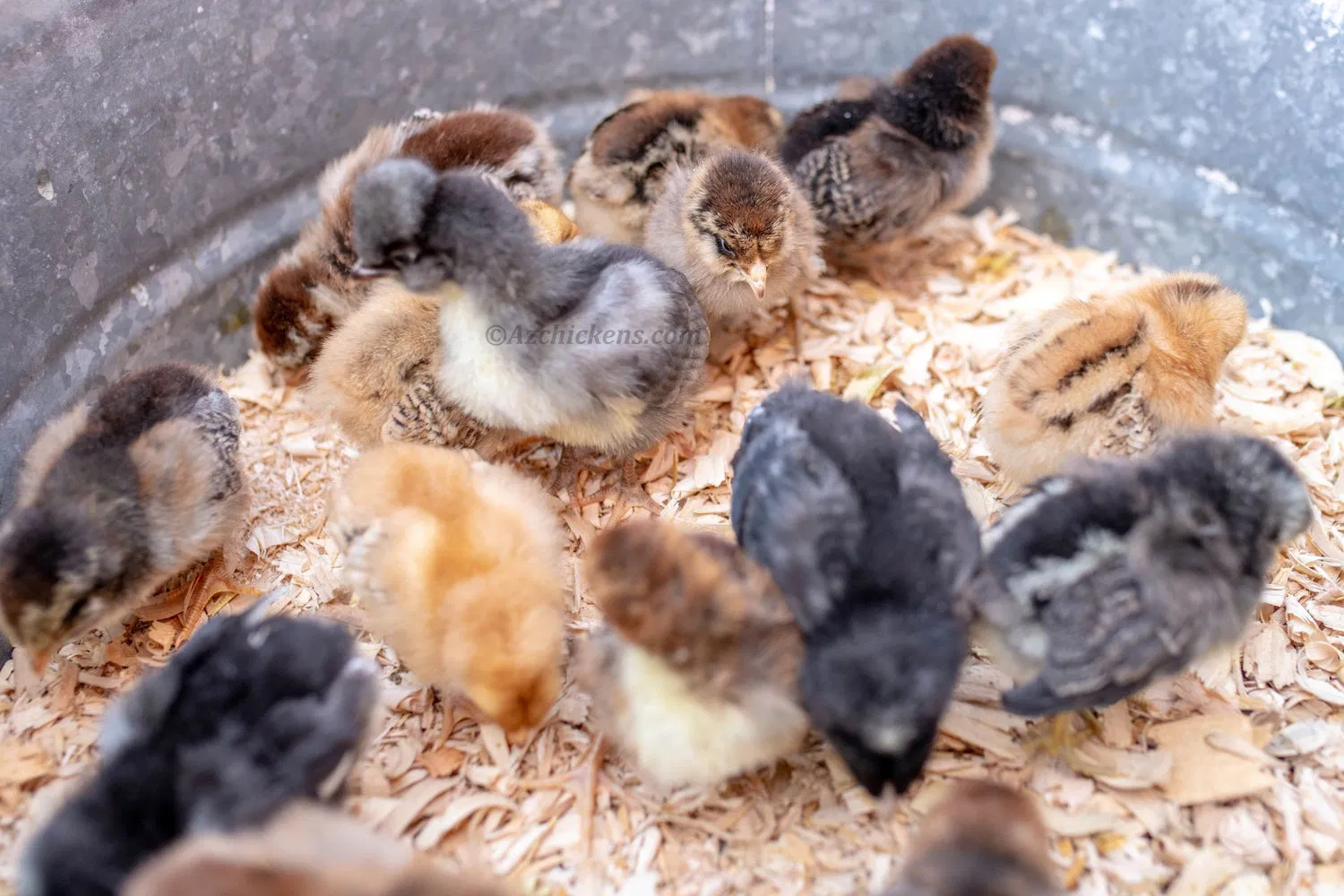
- The Brooder Pipeline: Keep a consistent schedule for starting new chicks. Starting a new batch of 5-10 chicks every spring ensures that by the time your older hens slow down in the fall, the new "pullets" are ready to take over.
Health and Biosecurity in Larger Flocks
In a small backyard setup, biosecurity is rarely a topic of conversation. However, as you scale up, the "viral load" in your environment increases. If one bird gets a respiratory infection in a crowded coop, the entire flock is at risk.
Management Strategies:
- Quarantine: Never add new birds directly to your established flock. Keep them in a separate area for at least 14 days.
- Dust Baths: Provide ample space for dust bathing with a mix of sand, wood ash, and diatomaceous earth to prevent mite outbreaks.
- Ventilation: Ensure your coop has high-level ventilation. Ammonia buildup from droppings is the #1 cause of respiratory issues in larger flocks.
To help maintain the health of your expanding flock, you can browse our resources and products at AZ Chickens to find the right supplements and equipment for your specific needs.
The Financial Reality: Is It Worth It?
Scaling up is an investment. You will spend more on infrastructure and feed upfront. However, the cost per egg actually decreases as you scale, thanks to bulk purchasing and shared heating/lighting costs in the winter.
For many families, the "productive flock" stage is the most rewarding. It moves the household toward true food security and often provides enough surplus to cover the cost of the feed through local sales. Whether you choose the hardy Barred Rock for its consistent output or the Cuckoo Marans for those beautiful dark brown eggs, the key is consistency.

Conclusion
Scaling up from a backyard hobby to a productive flock is a journey toward self-reliance. It requires a disciplined approach to space, a strategic plan for nutrition, and an upgrade in your daily management systems. While the challenges of waste management and feed logistics are real, the reward of a fridge full of farm-fresh eggs and the satisfaction of a thriving homestead are well worth the effort.
By focusing on the biological needs of your birds: plenty of space, high-quality supplements, and clean environments: you can ensure that your expansion is a success. Remember, a happy hen is a productive hen. Start small, plan for the "big picture," and your homestead will flourish for years to come.