
It is 11:00 PM on a Sunday night. You are a teacher. You are driving to your empty school building. Why? Because you have an incubator full of chicken eggs. They are due to hatch tomorrow morning. You are worried they might start early. You are worried the power might go out. You are worried the humidity dropped.
If you have ever run a classroom hatching project, you know this feeling. The "Weekend Hatch" is the enemy of every educator.
For years, chickens were the go-to choice for schools. But there is a better way. At AZ Chickens, we have helped hundreds of teachers, FFA advisors, and homeschool parents. We have seen what works.
The answer is simple: Quail.
Specifically, the Coturnix quail. It is the "18-Day Miracle." It fits a school unit perfectly. It saves your weekends. And it is more reliable for students.
Here is why quail beat chickens for schools every single time.
The Problem with the 21-Day Chicken Cycle
Chickens take 21 days to hatch. That sounds simple. But math in a classroom is never simple.
If you set chicken eggs on a Monday, they hatch on a Monday three weeks later. That sounds great! But nature does not always follow your lesson plan.
Some chicks hatch at day 20. That is a Sunday. Some hatch at day 22. That is a Tuesday. If they hatch on Sunday, the kids miss the best part. If they hatch on Friday, you have to come in on Saturday to check the water.
The 21-day cycle is just long enough to be awkward. It stretches your unit. It creates "dead time" in the middle. And it almost always creates a weekend crisis.
Why 18 Days is the "Goldilocks Zone"
Quail eggs, especially our Jumbo Coturnix and Blue Celadon varieties, hatch in 17 to 18 days.
This is the "Goldilocks Zone" for education.

When you choose an 18-day hatch, your schedule looks like this:
- Monday (Week 1): Set the eggs. The kids help you turn the incubator on.
- Week 2: Candle the eggs. Students see the embryos moving.
- Thursday/Friday (Week 3): The hatch begins.
Because the cycle is shorter, the "lockdown" period (where you stop turning the eggs) happens on a Tuesday or Wednesday. The hatching happens right in the middle of the school week.
Your students see the first "pip." They see the zip. They see the fluffy chick emerge. No Sunday night drives to the school. No disappointed kids on Monday morning.
Small Birds, Big Lessons
Space is a major issue in most Arizona classrooms. A standard chicken brooder is huge. It takes up half a corner. It gets dusty fast. It gets smelly if you aren't careful.
Quail are different.
They are small and quiet. A group of 20 quail chicks can live comfortably in a small brooder on a countertop. They don't make much noise. The males make a soft warble. The hens are almost silent. This is perfect for a classroom where kids are trying to study.

Even better, they grow up fast. A chicken takes 5 to 6 months to lay an egg. A student will be in a different grade by then!
But a Coturnix quail starts laying eggs in 6 to 8 weeks.
In one single school term, your students can see the full circle of life. They see the egg. They see the hatch. They see the chick grow. And they can even see that bird lay its first egg before the semester ends.
Reliability and Survival in Arizona
At AZ Chickens, we focus on High Survival.
We know the Arizona desert. We know how the heat affects shipping. We know how dry our air is during "lockdown."
Quail eggs are tough. They handle shipping stress better than many heavy chicken breeds. When you order from us, you aren't getting "commodity" eggs from a massive national warehouse. You are getting eggs from birds bred for the Southwest climate.
We specialize in breeds like:
- Jumbo Coturnix: Large, meaty, and very hardy.
- Blue Celadon: These birds lay stunning blue eggs. It is a "wow" moment for students.
- Andalusian & Falb-Fee: Rare genetics that make for a beautiful classroom display.
When a teacher buys eggs, they aren't just buying a product. They are buying a result. You have 25 kids watching those eggs. If nothing hatches, it is a heartbreak. Quail give you the best odds for a successful "Classroom Win."
The Setup: What You Actually Need
You don't need a farm to hatch quail. You just need a system.
For an Arizona classroom, we recommend a "Tabletop System." This keeps the birds safe, warm, and visible.
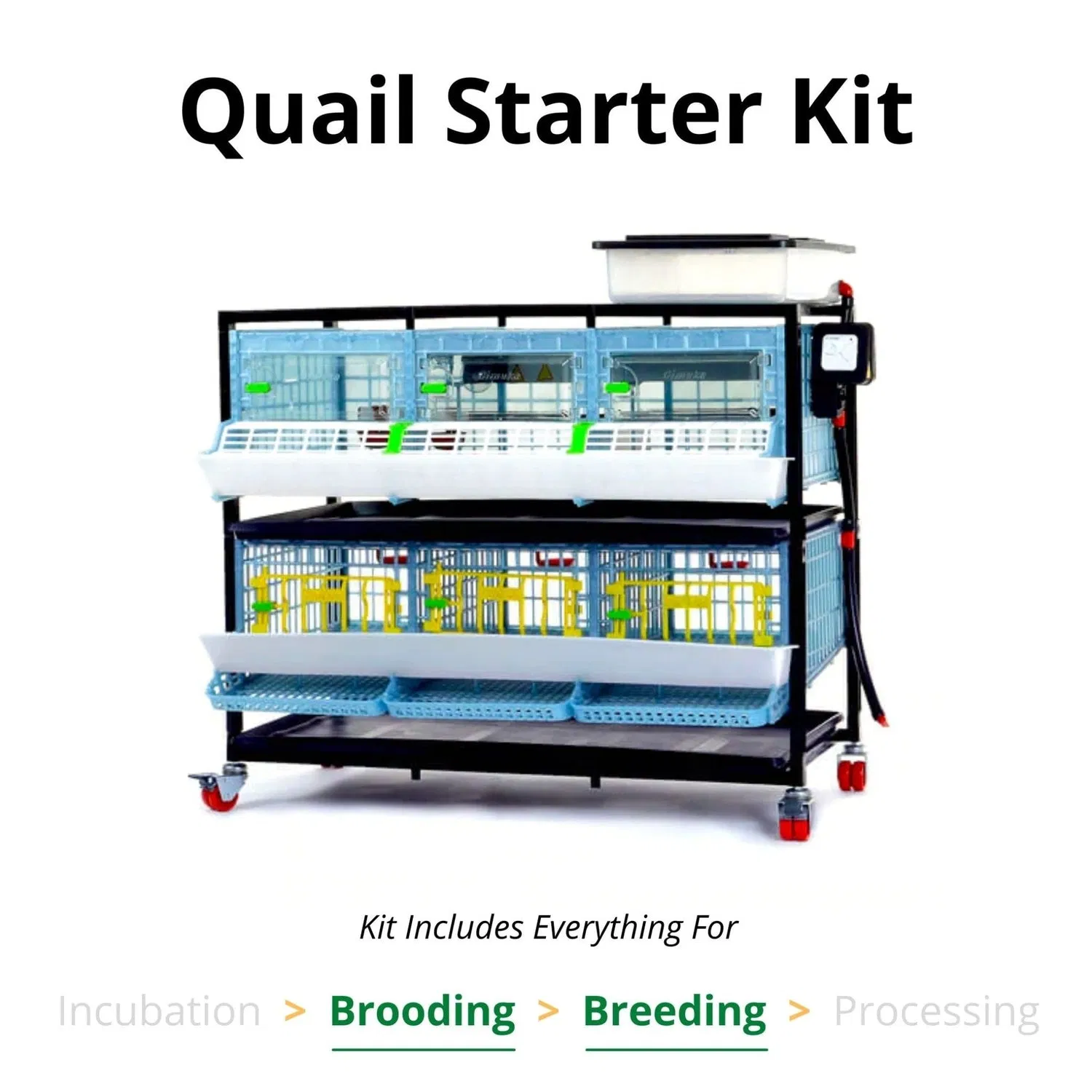
The Classroom Quail Checklist:
- Clear-Top Incubator: So kids can see every angle.
- Digital Hygrometer: Arizona air is dry. You must track humidity.
- Non-Slip Bedding: Paper towels or textured shelf liner. No newspaper! (It is too slippery for tiny quail feet).
- Drown-Proof Waterer: Quail chicks are tiny. Use marbles in your water tray so they don't fall in.
- High-Protein Feed: They grow fast. They need 24-30% protein starter feed.
The "After-Hatch" Plan
One of the biggest fears for teachers is: "What do I do with the birds afterward?"
Chickens are hard to rehome in the city. Many HOAs in Phoenix or Tucson have strict rules. roosters are often banned.
Quail are the ultimate "Urban Bird."
Because they are quiet and small, most Arizona HOAs treat them like pets or indoor birds. Teachers often find it very easy to find homes for the chicks. Parents frequently want to take them home for their own backyard setups.
Or, because they take up so little space, many teachers keep a small "Classroom Covey" as a permanent class pet.
Start Your 18-Day Miracle
If you are tired of the 21-day stress, make the switch.
Quail are faster. They are easier. They are more reliable. And for a child, a tiny, speckled bird is just as magical as a big yellow one.
We offer over 15 varieties of fertile hatching eggs. We ship them with the care needed to survive the desert heat.
See everything we recommend for a thriving school project at azchickens.com/pages/recommended.
Frequently Asked Questions for Teachers
Q: Do I need a special incubator for quail?
A: Most chicken incubators work for quail. You just need a "quail egg tray" or a flat floor if it is a manual turner.
Q: How many eggs should I order for a class of 30?
A: We recommend 12 to 24 eggs. This gives you a high chance of having 10-15 chicks hatch. That is the perfect amount for kids to observe without being overwhelmed.
Q: Is it okay to touch the chicks?
A: Yes! After they are dry and fluffy (usually 24 hours after hatch), they are very social. Just make sure students wash their hands before and after.
Q: What if we have a power outage?
A: In Arizona, we have monsoons and dust storms. If the power goes out, wrap the incubator in a thick towel. Do not open it! The heat will stay inside for a few hours.
Get the "Classroom Success" Guide.
Sign up for our email list and we will send you our Free Classroom Hatching Log. It includes daily temperature charts and observation sheets for your students.
[Sign Up Here for the Free Teacher Guide]