
Arizona heat exposes every weakness in a chicken setup, and flooring is one of the most overlooked problems. Many backyard chicken owners use wood shavings because they are common, familiar, and easy to buy. In a desert summer, that choice can work directly against the bird’s biology. At AZ Chickens, we’ve tested the bedding and flooring options that matter most in real Arizona conditions, and the Sand Method consistently stands out as the most effective system for heat management, hygiene, and long-term flock success.
This is not a cosmetic coop upgrade. It is a practical heat-prep strategy built around thermal mass, drainage, sanitation, and the way chickens naturally regulate body temperature. In this guide, we break down why wood shavings create added heat stress, how sand functions as a cooling surface, and how backyard chicken owners can set up a run that helps birds stay safer through triple-digit weather.
Key Points
- Wood shavings insulate heat: They trap warmth instead of helping chickens release it through their feet and body contact with the ground.
- Sand supports cooling: Shaded construction sand acts as a thermal sink and gives birds a cooler surface to rest, scratch, and dust bathe in.
- The 4-inch depth matters: Proper sand depth creates thermal buffering, so lower layers stay cooler than the surface.
- Dry footing improves hygiene: Sand dries droppings quickly, reduces odor, and helps limit flies and bacterial buildup.
- Shade is essential: Sand only works as a heat-management tool when the area is properly shaded.
The Biological Challenge: Why Chickens Struggle in Heat
To understand why the Sand Method works, it helps to start with basic chicken biology. Chickens do not sweat. They regulate heat primarily through panting and by releasing heat through unfeathered areas like the comb, wattles, and feet. That makes the surface beneath them far more important than many backyard owners realize.
When a chicken stands or settles into wood shavings, it is standing on an insulating material. Insulators slow heat transfer. In a cold climate, that can be useful. In Arizona, it creates a serious problem because it limits the bird’s ability to offload body heat into a cooler surface. As ambient temperatures rise, that trapped heat contributes to cumulative stress, especially in heavy-bodied birds, high-production layers, and flocks with limited airflow.
The Sand Method works because shaded sand behaves differently. Sand has greater thermal mass and better conductive properties than shavings or straw. When a bird scratches into the upper layer and settles into cooler shaded sand, it gains direct body contact with a surface that can sit well below the surrounding air temperature. That temperature difference creates a practical cooling opportunity the bird can actually use.
 )
)
Precision Engineering: The 4-Inch Rule
The most common mistake backyard chicken owners make is not using enough material. For the Sand Method to function as a thermal regulator, depth is not optional. We recommend a minimum of 4 inches of coarse construction sand across the entire run.
That depth creates what can best be described as thermal buffering. The upper layer takes the initial heat load, while the lower layer stays more stable and noticeably cooler when shaded. If the sand bed is too shallow, the entire layer heats quickly and loses much of its cooling value. At four inches, chickens can scratch down into a cooler zone and use the sand the way their bodies naturally want to use it during heat stress.
This is the difference between decorative sand and functional sand. A thin scattering may look clean, but it does not create a meaningful thermal reserve. A properly installed sand floor does.
Why Construction Sand?
Not all sand is created equal. You should avoid "play sand," which is often too fine and can lead to respiratory issues or crop impaction if ingested in large quantities. Instead, look for:
- Bank Run Sand: Raw, unscreened sand that contains various particle sizes.
- Concrete Sand/Coarse Sand: This has a gritty texture that helps wear down chicken's nails naturally and provides excellent drainage.
- Decomposed Granite (Fine): A viable alternative if coarse sand is unavailable, though it can be slightly more abrasive.
Comparative Flooring Analysis
| Feature | Sand Method | Wood Shavings | Straw/Hay |
|---|---|---|---|
| Heat Retention | Low (Acts as a heat sink) | High (Acts as an insulator) | High (Traps hot air) |
| Moisture Control | Excellent (Dries quickly) | Moderate (Can mold) | Poor (Rotting risk) |
| Cleaning Ease | Like a giant litter box | Requires full shovel-out | Very difficult when wet |
| Dust Bathing | Built-in | Not effective | Not possible |
| Fly Control | High (Dries waste fast) | Low | Low |
 )
)
Step-by-Step Implementation for Your Run
Preparing a run for the Sand Method should happen before the first stretch of extreme heat. The goal is to remove insulating material, improve drainage, and create a shaded cooling surface your flock can use every day.
- Clear the Area: Remove all old bedding, straw, or wood shavings from the run. If the floor is dirt, level it as much as possible.
- Secure the Perimeter: Install or confirm hardware cloth protection around the run. For those just getting started, predator pressure in Arizona is still a real concern, even in suburban areas.
- Add a Drainage Base if Needed: If the run tends to hold water during monsoon season, a one-inch gravel base can improve drainage before sand is added.
- Install the Sand Layer: Add 4 inches of coarse construction sand across the full usable floor space.
- Create Full Shade: Shade is non-negotiable. Use a solid roof or high-quality shade cloth to keep direct sun off the sand. Unshaded sand can become excessively hot and lose the protective benefit you are trying to create.
- Set Waterers on Stable Platforms: Place waterers on pavers or blocks to reduce wet spots and keep the sand easier to maintain.
For more detailed setup advice, check our FAQ for Chickens in Arizona.
Maintenance: The "Litter Box" Strategy
One of the biggest advantages of the Sand Method is that it simplifies maintenance. Unlike wood shavings, sand does not need frequent full replacement. It works more like a giant litter box. Using a fine-tined rake or litter scoop, you can remove droppings quickly and keep the surface clean with minimal daily labor.
That maintenance model matters in hot weather. When manure stays damp in shavings, it creates odor, attracts flies, and increases bacterial pressure. Sand dries waste much faster, which interrupts that cycle and helps maintain a healthier run environment. In practical terms, it is easier to keep clean and easier to keep dry.
Twice a year, some owners choose to refresh the top layer or use a coop-safe refresher product. Even without constant replacement, the drying nature of sand does much of the sanitation work on its own when the run is managed properly.
Why the Visuals Matter
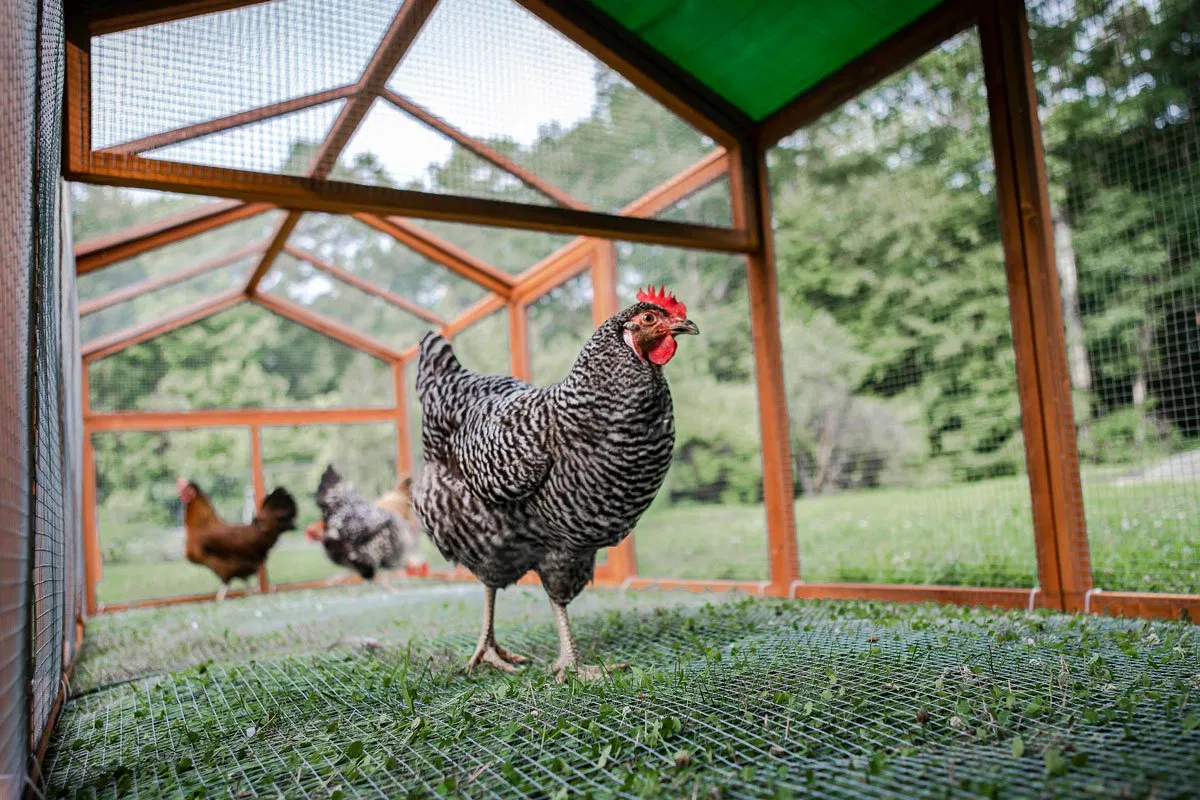
The technical diagrams and supporting photos in this post are important because heat management is easier to understand when chicken owners can see the system clearly. The schematic reinforces the 4-inch rule and shows why shade and sand depth work together. The real-world images help readers identify what a functional sand run should actually look like in practice.
For first-time backyard chicken owners, visuals reduce guesswork. For experienced keepers, they provide a fast way to validate whether a setup is likely to perform well in Arizona conditions. In both cases, the images strengthen the educational value of the method instead of acting as decoration.

Economic Benefits of the Sand Method
While the initial investment in a few tons of sand might seem higher than a few bags of shavings, the long-term ROI is undeniable.
- Reduced Mortality: The cost of losing a high-quality laying hen to heat stroke is significant. The Sand Method is your best insurance policy.
- Lower Replacement Costs: You aren't buying bags of bedding every month. One load of sand can last 3-5 years with simple maintenance.
- Time Savings: Daily spot cleaning is faster and less physically demanding than the "deep litter" cleanouts required by other methods.
If you are looking to expand your flock this season, view our chickens for sale to find heat-hardy breeds that pair perfectly with a sand-based run setup.
Preparing for the Future
The Sand Method is not a trend for Arizona chicken keepers. It is a practical response to a predictable environmental problem. When summer conditions are severe, the materials used in a coop and run directly affect flock comfort, sanitation, and survival. Choosing sand over wood shavings in the run is one of the clearest upgrades a backyard owner can make.
By focusing on heat transfer, drainage, and the actual biology of the bird, chicken owners can build a setup that supports both welfare and productivity through the hottest part of the year. If you have questions about sand types, run design, or building a more heat-ready coop setup, feel free to get in touch with our team. We’re here to help backyard chicken owners make confident decisions and raise flocks that thrive in Arizona.