


Buy Classroom Egg Incubator With Lesson Plans 2025: A Practical, Craftsmanship‑Focused Guide for Educators
Buy Classroom Egg Incubator With Lesson Plans 2025: A Practical, Craftsmanship‑Focused Guide for Educators
Planning a spring 2025 hatching project? This guide was built for K–12 teachers, homeschool parents, and program leaders who want classroom-ready incubators with curriculum ideas that actually work. Think of your incubator choice the way a tailor thinks about a luxury suit: the cut (capacity), construction (controls), and material quality all determine how well it performs for students. Below, you’ll find specific, real product recommendations sold by Az Chickens, budget guidance, NGSS-aligned lesson plan ideas, hot-climate setup tips for the Southwest, teacher discounts, and bundle suggestions that pair incubators with fertile eggs—without fluff or guesswork.
Key Takeaways / Summary
- Price ranges for quality classroom incubators:
- Basic (typical market context): $100–150
- Mid-range: $150–250
- Premium compact: $250–400
- High-capacity classroom cabinets (featured here): $764.99–$899.99
- Top brands available at Az Chickens: Cimuka (incubators), AZ Chickens (hatching eggs)
- Best features for classrooms: automatic temperature and humidity control (stability), clear viewing window (observation), automated functions that simplify setup for teachers
- What to look for in 2025:
- Stable environmental control for predictable hatch rates
- Simple setup to minimize teacher workload
- Capacity that matches your class size and schedule
- Clear viewing for student observation and documentation
- Lesson plan integration: plug-and-play weekly units for K–5, 6–8, 9–12 with NGSS alignment ideas
- Discounts: Check Az Chickens’ Military & Teacher Discounts
- Bundles to consider: incubator + Premium American Bresse Hatching Eggs + curriculum resources
- Hot climate (AZ/Southwest) setup: location, stability, and classroom humidity planning matter more than ever
- Spring 2025 planning: order incubator 6–8 weeks before target hatch; lock in eggs 3–4 weeks before start
Why hatching projects are surging in 2025
Hands-on incubation projects remain a high-yield way to teach biology, engineering design, and data literacy. Interest keeps rising as educators seek authentic, inquiry-based experiences that fit limited instructional minutes and diverse learner needs. Trends include:
- Growing interest in classroom incubation as a high-engagement biology/STEAM anchor
- Technological advances: teachers want user-friendly, automated incubators
- Better support and quality: educators need reliable equipment and straightforward guidance
- Heightened safety awareness: attention to animal welfare and pathogen mitigation is critical
Bottom line: choose durable, well-constructed equipment and pair it with strong safety and classroom management protocols. Like a fine Italian suit, thoughtful craftsmanship and quality materials yield consistent performance under real-world conditions.
Budget tiers for 2025 (what to expect and how to choose)
Use these tiers to decide where your project fits. If you’re shopping via school funds or grants, weigh capacity and automation against class size and schedule. Think through how many sections will observe the same unit, and whether you’ll need overlap for make-ups or makeup labs.
- $100–150 (basic): Entry models suitable for small groups; limited automation; more teacher oversight required.
- $150–250 (mid): Improved stability and visibility; better for first-time classrooms with modest capacity needs.
- $250–400 (premium compact): Good accuracy, clearer observation windows; appropriate for single-class rotations.
- $764.99–$899.99 (high-capacity cabinet class): Multiple classes or concurrent projects; automated controls and classroom-friendly features to reduce management time.
Quick fit guide:
- Single elementary classroom or homeschool co-op: mid to premium compact.
- Grade-level team sharing or multiple sections: cabinet class.
- Schools prioritizing simplicity and repeatability: cabinet class with automated controls.
Tip: If your school wants a “made-to-measure” experience with minimal hassle, invest in higher-quality controls, much like choosing superior canvassing and stitching in a luxury suit. It pays off in consistency and student experience.
Top classroom incubators you can buy now (Spring 2025 ready)
Below are in-stock, classroom-suitable options at Az Chickens. Exact prices, brands, and features are listed as provided by the store. Each pick supports observation-heavy lessons and routines that teachers can run reliably during a busy day.

CT60 SH - Egg Incubator - Setter & Hatcher
$764.99
Brand: Cimuka
Material: plastic, metal
- Automatic temperature and humidity control
- Transparent viewing window
- Setter/hatcher combo reduces mid-cycle transfers and handling
- Compact cabinet footprint fits standard classroom tables

CT120 SH - Egg Incubator - Setter & Hatcher
$899.99
Brand: Cimuka
Material: plastic
- Automated features for easy hatching
- Energy-efficient; simple setup
- Setter/hatcher combo supports multi-class schedules
- Wide viewing area for group observation and data collection
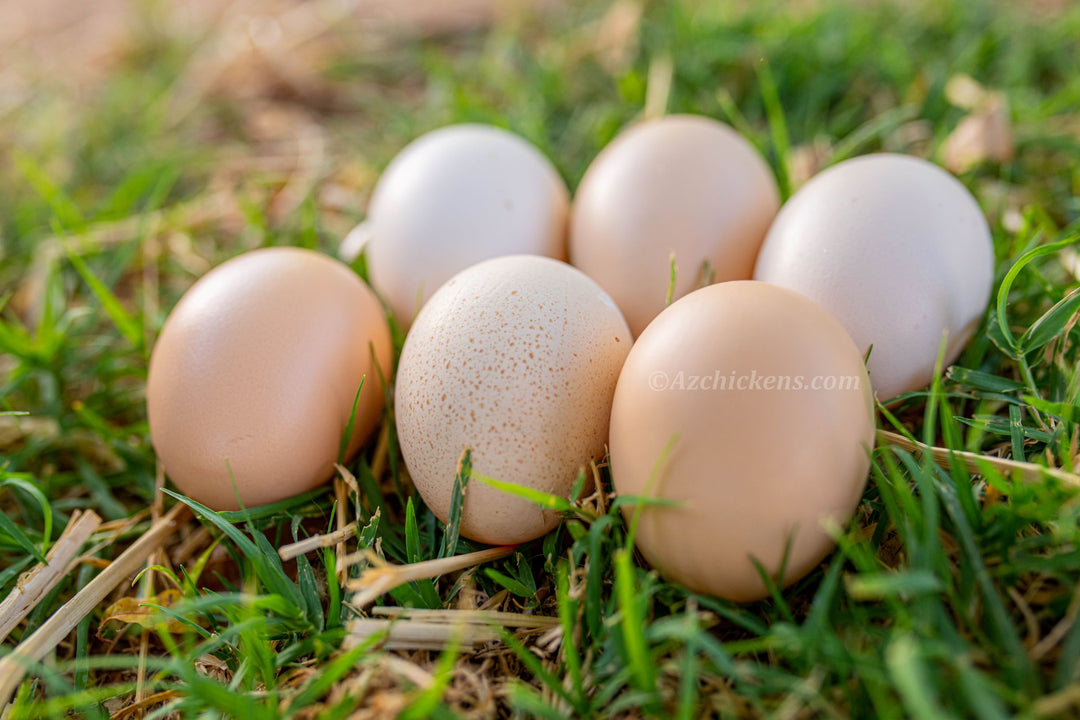
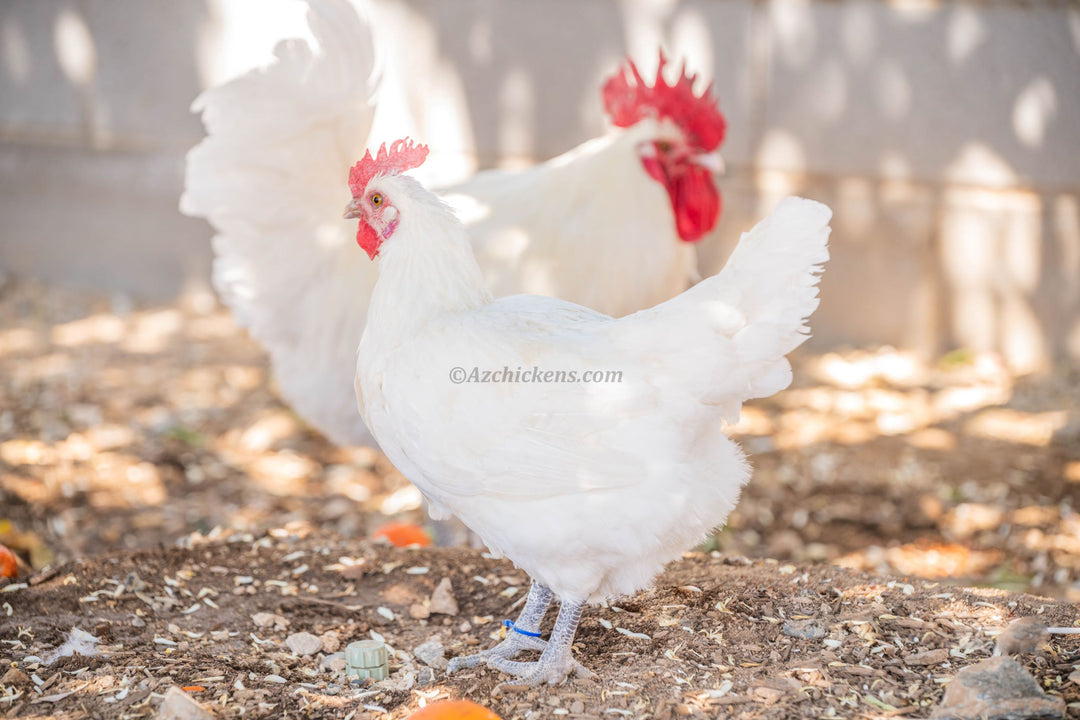
Premium American Bresse Hatching Eggs - Assorted Colors
$69.90
Brand: AZ Chickens
Material: —
- Colors represent the French origins
- Known for heat and cold tolerance
- Assorted colors spark genetics and traits discussions
- Plan timing so eggs arrive shortly after your incubator test run
Want to browse broader options from the same family? See Cabinet Incubators and the Hatching Time collection. For fertile egg selection, explore Hatching Eggs. Skim product pages for dimensions and classroom photos to plan your table space and visibility for students.
How to choose like a pro: construction, controls, capacity
Shopping for a classroom incubator is like choosing a well-tailored Italian suit: the workmanship and materials determine performance where it matters—fit, comfort, and longevity. Translate that idea to classrooms with a clear checklist that prevents surprises during hatch week.
- Construction and materials: Solid build and quality plastics/metal help resist classroom bumps and maintain stable conditions.
- Controls and automation: Look for automatic temperature/humidity control and automated functions to free up your time for teaching.
- Capacity and visibility: Match egg capacity to your class size; clear viewing windows help students observe and document development.
- Energy efficiency: Beneficial for long hatches and school energy policies.
- Contingencies: Use a surge protector and keep an independent thermometer/hygrometer for verification during critical days.
Integrating lesson plans (K–5, 6–8, 9–12)
Hatching is a natural anchor for NGSS-aligned units. Pair your incubator with weekly objectives and performance tasks. Use the data you collect (temperature, humidity, and daily observations) as the throughline for reflection, math integration, and writing.
K–5: Observation and life cycles
- Week 1: Egg structure, safety. Students sketch eggs; set up incubator.
- Week 2: Embryo development days 1–7. Daily observation journals; introduce temperature/humidity concepts.
- Week 3: Development days 8–14. Candle (teacher-led); compare diagrams to journal drawings.
- Week 4: Lockdown and hatch. Roles for observation, data logging, and reflection writing.
- Assessment: Illustrated life cycle booklet; vocabulary checkpoints.
Grades 6–8: Systems, variables, and data
- Week 1: Experimental design—what variables matter (e.g., turning frequency, position)?
- Week 2–3: Students collect daily temperature/humidity observations; graph trends.
- Week 4: Hatch analysis; calculate hatch rates; discuss sources of error.
- Assessment: Lab report with hypothesis, methods, graphs, results, discussion.
Grades 9–12: Physiology, ethics, and engineering
- Design challenges: Propose an improved incubator control protocol; evaluate energy efficiency and classroom safety.
- Bioethics seminar: Animal welfare, alternative models, and classroom responsibility.
- Assessment: White paper or poster session with data, design proposals, and ethical considerations.
Cross-curricular extensions: integrate proportional reasoning (math graphs), informational writing (ELA), and art (diagramming, technical sketching). For a ready-made outline, review Az Chickens’ curriculum resource: Buy Homeschool Chicken Hatching Curriculum Kit: A Complete 4–6 Week Plan.
Safety and classroom management (non-negotiables)
Plan safety protocols before you order. Clear routines help you protect students and chicks while keeping the project focused on learning.
- Hygiene: Establish handwashing protocols before/after incubator contact. Sanitize surfaces daily.
- Supervision: Teachers handle candling and egg transfer. Students observe and record.
- Animal welfare: Plan for post-hatch placement before the project starts. Coordinate with local farms or families.
- Pathogen awareness: Classroom chicks can carry pathogens. Use a no-food policy near the incubator and follow district guidelines.
- Aftercare and cleanup: Follow manufacturer guidance for cleaning the incubator between projects; document where chicks will live long-term.
- Reference: Practical pointers from Hatching Egg Tips.
Spring 2025 project timeline
Build your timeline backward from the anticipated hatch date. Add a buffer for shipping, approvals, and your 48-hour dry run.
- 8 weeks out: Submit purchase requests; confirm teacher discounts (Military & Teacher Discounts).
- 6 weeks out: Order incubator. Build parent communication plan and student roles.
- 4 weeks out: Order eggs (Hatching Eggs), gather brooder supplies (heat source, bedding, feed, waterer).
- 2 weeks out: Run a 48-hour dry test of the incubator. Finalize lesson pacing.
- Hatch week: Prepare lockdown logistics; reinforce safety and observation expectations.
- Post-hatch: Debrief; complete summative assessments; transition chicks to prearranged homes.
Teacher tip: During your dry run, verify readings with an independent thermometer/hygrometer and record baselines in a simple data table for students to reference.
Arizona & NGSS alignment (framework guide)
Use incubation to address NGSS performance expectations in life science and engineering design (structure/function, systems, cause/effect). For AZ classrooms, integrate climate and water considerations as crosscutting concepts. Examples:
- K–2: Life cycles (structure and function of living things)
- 3–5: Environmental influences on traits; data collection and analysis
- 6–8: Feedback mechanisms; controlled experiments; graphing trends
- 9–12: Homeostasis, system dynamics; engineering design (protocol optimization)
For AZ-specific poultry context, review FAQ — Chickens in Arizona and the education hub Chick Care. These pages pair well with discussions of water use, heat management, and local ordinances.
Hot-climate setup tips for Southwestern classrooms
Desert classrooms face higher ambient temperatures and dry air. Stability is king. Use your dry run to pinpoint a location that minimizes swings.
- Location: Place the incubator away from windows, vents, and direct sunlight.
- Humidity planning: Dry climates may require close monitoring to maintain consistent humidity.
- Consistency: Keep the classroom door closed during critical periods when feasible to minimize swings.
- Verification: Keep a second hygrometer/thermometer inside the room to confirm stability during lockdown.
- Further reading: Breeding & Incubation in Hot Climates.
Smart bundles (incubator + eggs + curriculum)
Bundle components so you can run the project end-to-end without last-minute supply runs. Use the ideas below as starting points, then add brooder essentials and your data sheets.
- Starter classroom bundle idea:
- Incubator: CT60 SH
- Eggs: Premium American Bresse Hatching Eggs ($69.90)
- Curriculum: 4–6 Week Plan
- High-capacity classroom bundle idea:
- Incubator: CT120 SH
- Eggs: Premium American Bresse Hatching Eggs ($69.90)
- Teacher tips: Hatching Egg Tips
To extend your setup, browse Egg Handling Supplies for post-hatch and classroom handling essentials.
Teacher discounts, purchasing, and reviews
Procurement and timing matter. Build in approval windows and shipping variability so your dry run and hatch week stay on schedule.
- Educator savings: Check current options at Military & Teacher Discounts.
- Procurement: Order early to account for shipping/approvals—especially for spring.
- Community trust: See feedback at Arizona’s Trusted Chicken Farm & Hatchery – Reviews.
Gift ideas for grandparents and parents
For holiday gifting or homeschool co-ops, pair a classroom-ready incubator with heat-tolerant eggs. The Premium American Bresse Hatching Eggs ($69.90) are noted for heat and cold tolerance—ideal for varied home environments—while an automated incubator reduces setup friction. Share the curriculum plan link with families to guide pacing and safety.
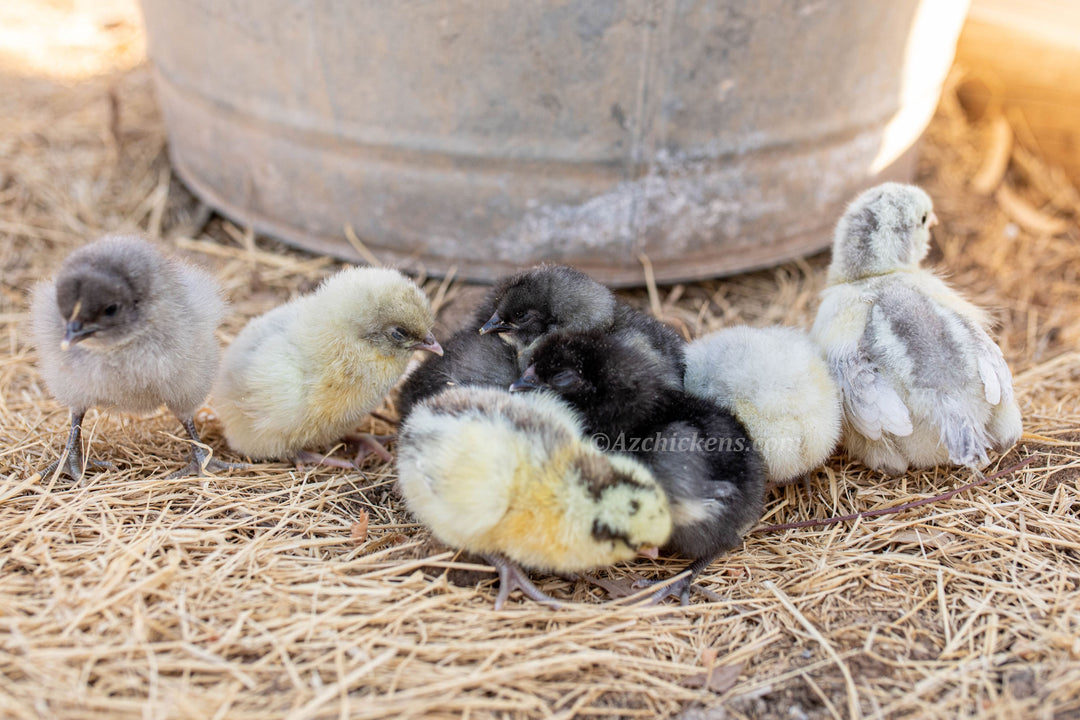
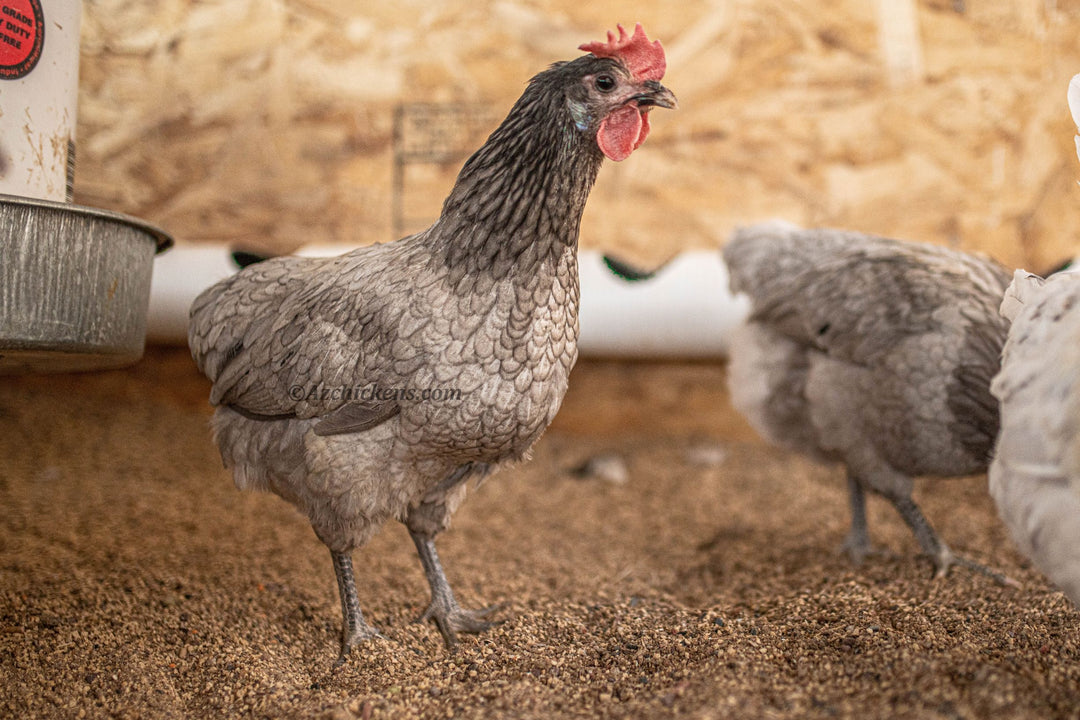
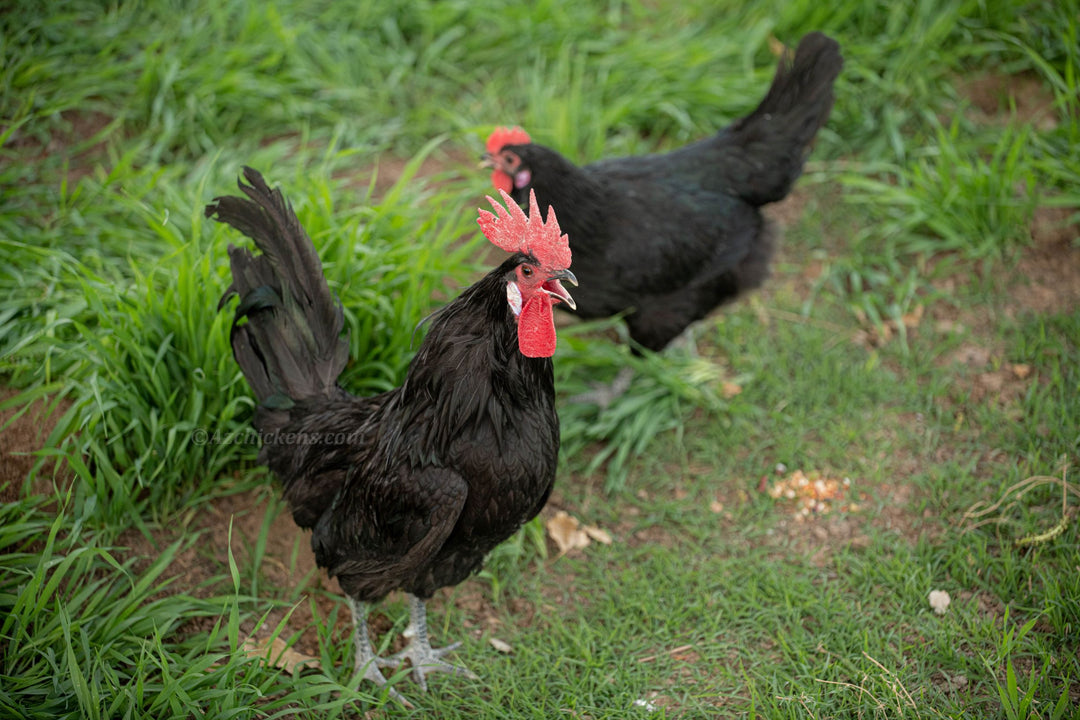
Classroom image gallery: What setup looks like
Click any image to open the corresponding product page. Use the capacity and dimension images to check your table space and student sight lines before your dry run.


Set up like a seasoned tailor: step-by-step classroom workflow
These steps keep your incubator stable and your students focused. Treat the dry run as your fitting and the lockdown as your final tailoring—small adjustments make a big difference.
- Unbox and inspect: Verify components and read the quick-start guide.
- Dry run: Power on for 24–48 hours to let controls stabilize; log readings daily.
- Student roles: Assign data recorder, timekeeper, safety lead, and hygiene monitor.
- Egg handling: Load eggs gently; maintain consistent turning protocol if required by your unit.
- Observation: Track temperature/humidity; schedule teacher-led candling.
- Lockdown: Stop turning, stabilize humidity, limit opening the incubator.
- Hatch and transfer: Move chicks to a prewarmed brooder; continue safety protocols.
Common pitfalls to avoid:
- Placing the incubator near drafts or sunlit windows.
- Skipping the dry run or failing to verify readings.
- Opening the door repeatedly during lockdown.
Frequently asked questions
How many eggs should I start with? Match your incubator capacity to your class size and time window. If running a single class rotation, fewer eggs may suffice; for multi-class projects, consider higher capacity.
Do I need special supplies after hatch? Yes—brooder, bedding, feed, and waterers. Browse basics in Chick Care. For questions specific to Arizona, see FAQ — Chickens in Arizona.
What about summer heat? Choose a stable location and review Breeding & Incubation in Hot Climates.
Are there educator discounts? See Military & Teacher Discounts.
Can we hatch species other than chickens? Many classroom incubators can be used for different poultry species, but timelines and humidity targets vary. Check species requirements before ordering eggs and adjust your lesson pacing accordingly.
Where to buy (classroom-ready picks)
Start with reliable cabinet models and pair them with eggs that fit your calendar and climate. Review dimensions and classroom photos on each product page to confirm placement.
- Incubators:
- CT60 SH - Egg Incubator - Setter & Hatcher ($764.99; Cimuka; plastic/metal; automatic temp/humidity control; transparent viewing window)
- CT120 SH - Egg Incubator - Setter & Hatcher ($899.99; Cimuka; plastic; automated features; energy-efficient; simple setup)
- Fertile eggs:
- Premium American Bresse Hatching Eggs - Assorted Colors ($69.90; AZ Chickens; colors represent French origins; noted heat/cold tolerance)
- Collections to explore:
Final buying advice: craftsmanship and value across budgets
In 2025, the best classroom incubator is the one that balances construction quality, dependable controls, and your students’ learning goals. Whether you teach one class or multiple sections, prioritize the reliability and ease teachers need under real classroom conditions. Decide with a simple test: if you had to run lockdown on a busy assessment day, would your setup stay stable without constant intervention? If yes, you’ve chosen well—the educational equivalent of a carefully tailored, Italian-crafted suit—built to perform, every day, under pressure.