
Bringing home a box of chirping, fluffy day-old chicks is one of the most rewarding experiences for any backyard farmer. However, for many beginners, that initial excitement is often shadowed by a cloud of "brooder anxiety." You’ve done the searches on how to raise chickens, but now you’re staring at these tiny creatures wondering if they’re too hot, too cold, or if that spot on their backside is a death sentence. At AZ Chickens, we believe that raising chickens for eggs should be a joy, not a high-stress emergency.
The secret to transitioning from an "anxious beginner" to a confident "flock master" lies in your brooder setup. A well-designed brooder isn't just a box; it’s a life-support system. In this guide, we’re going to walk you through the visual cues of a healthy brooder and tackle the "Big Three" chick killers: Pasty Butt, Coccidiosis, and Nutrient Deficiency. By the end, you’ll see how our integrated care system—from our specialized feeds to our proven brooder protocols—takes the guesswork out of the process.
Key Points for Brooder Success
- Temperature Stability: Start at 95°F and reduce by 5 degrees weekly.
- Hydration is Vital: Chicks must drink before they eat to support digestion and recovery from shipping stress.
- Hygiene Over Everything: Dry bedding is your primary defense against coccidiosis.
- Check Vents Daily: A quick daily look helps catch pasty butt before it becomes dangerous.
- Start with the Right Foundation: Southland Organics and Fertrell Nutri-Balancer help create a stronger, more stable start for young chicks.
Setting the Stage: The Foundation of Your Brooder
Before the chicks even arrive, your environment needs to be ready. Many beginners start with a cardboard box that gets damp fast or a plastic tote with poor airflow. A simple galvanized brooder works well for most first-time flocks because it is easy to clean, easy to monitor, and simple to keep dry.
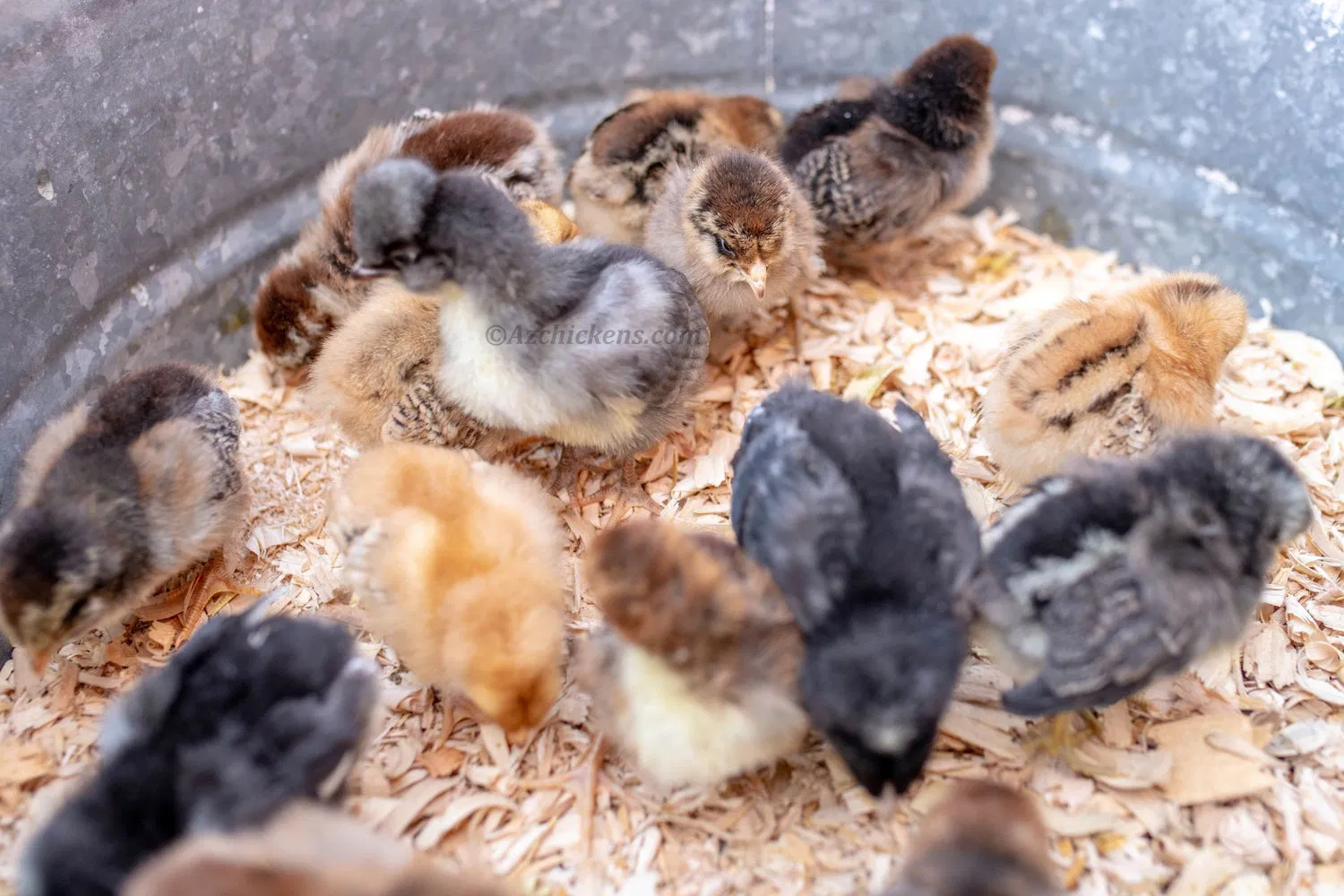
This kind of setup gives you a clear visual guide. You want a warm side under the heat source and a cooler side for resting, feed, and water. If chicks pile on top of each other, they are cold. If they stay far away from the heat and spread to the edges, they are too hot. If they move around, eat, drink, and nap in different spots, the brooder is likely set up correctly.
For a more professional or tiered setup, especially for quail, small breeders, or organized indoor raising, a multi-level system can make management easier. It helps keep feed and water more controlled, which matters because wet bedding is one of the fastest ways to increase disease pressure.
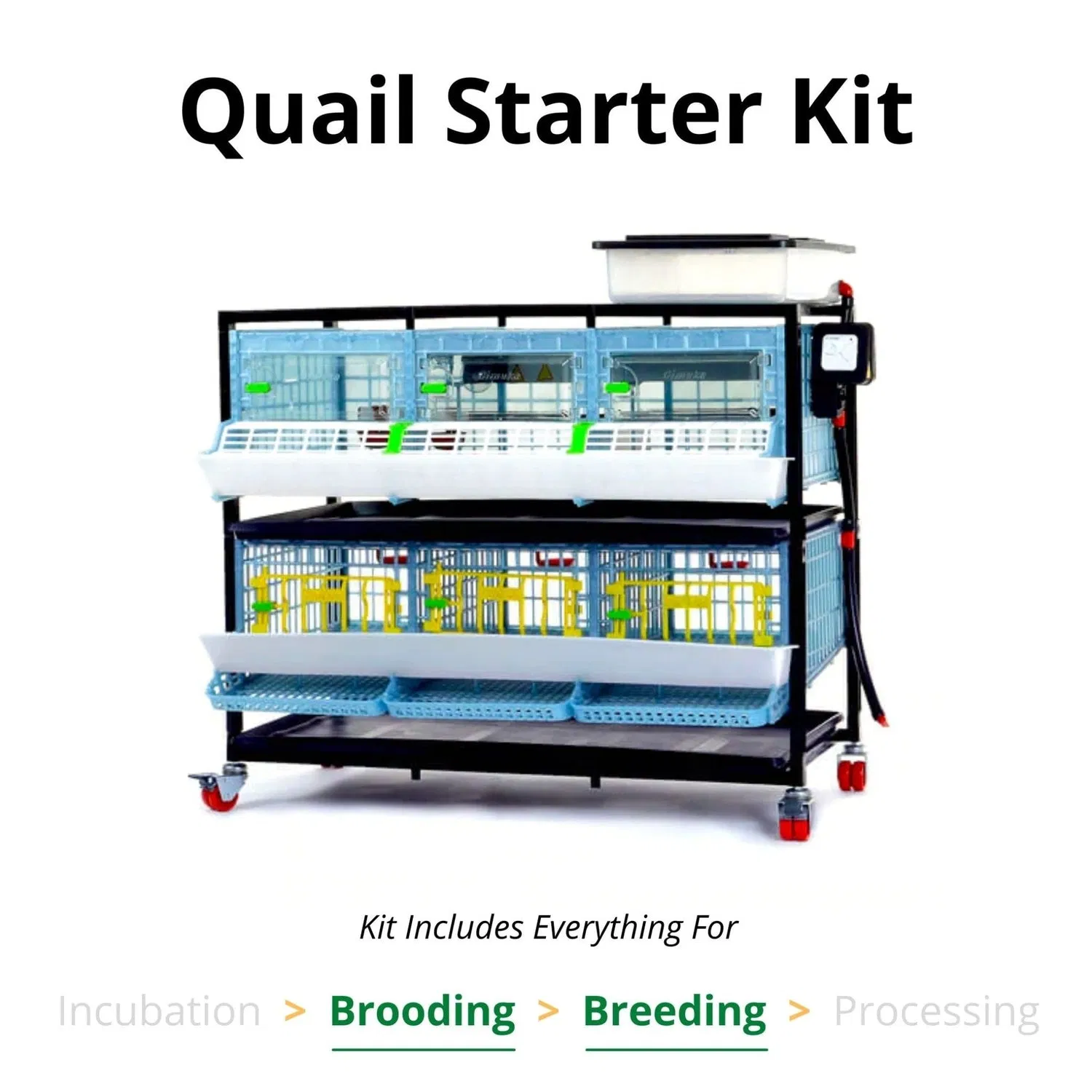
Whether you use a basic galvanized brooder or a tiered breeder system, the foundation is the same: clean water, dry bedding, stable heat, and quality nutrition. At AZ Chickens, that nutritional foundation starts with Southland Organics and Fertrell Nutri-Balancer. Together, they support gut health, stress recovery, and stronger early development, which is exactly what helps reduce problems like pasty butt and coccidiosis.
Problem 1: Pasty Butt (The Sticky Situation)
"Pasty butt" means droppings dry onto the fluffy feathers around the vent and start to block it. If that blockage stays in place, the chick cannot pass waste normally. This is why a small mess can turn into a serious emergency very quickly.
Why It Happens
Pasty butt is usually triggered by stress. Shipping stress, overheating, chilling, dehydration, and sudden feed changes can all slow digestion and make droppings sticky. In simple terms, when the chick's system gets off balance, the waste does not pass cleanly.
What to Look For
Use this quick visual check once a day:
- Clean vent: Fluffy and dry under the tail.
- Early warning sign: A small smear or crust starting to form.
- Urgent problem: A thick plug fully covering the vent.
The Solution and Prevention
- Check Daily: Pick up each chick and inspect the vent area.
- Clean Gently: If you see buildup, soften it with warm water on a cotton ball or soft cloth. Never pull hard.
- Keep Heat Steady: Chicks do best when the brooder temperature stays consistent instead of swinging hot and cold.
- Support the Gut Early: A strong nutritional start matters. Southland Organics and Fertrell Nutri-Balancer help support digestive balance and stress recovery, which lowers the chance of sticky droppings.
- Watch Water Intake: Chicks should find water immediately after arrival. Good hydration helps keep digestion moving.
Problem 2: Coccidiosis (The Hidden Parasite)
If pasty butt is a common early issue, coccidiosis is one of the most serious brooder diseases. It is caused by tiny parasites called coccidia that multiply in wet, dirty conditions. Chicks swallow the organisms from contaminated bedding, feed, or water, and the parasites then damage the intestinal lining.
Identifying the Threat
The first signs are often easy to miss. A chick may look sleepy, puffed up, weak, or uninterested in feed. Some chicks act cold even when the brooder temperature is correct. Bloody droppings can happen, but that is often a later sign, not the first one.
A Simple Visual Guide to Prevention
Think of coccidiosis prevention as a three-part visual check:
- Dry bedding: Pine shavings should look fluffy, loose, and dry, not dark, packed down, or wet.
- Clean water area: The space around the waterer should stay dry. If it is damp, change the bedding right away.
- Active chicks: Healthy chicks should move, peck, drink, and respond to activity around them.
Management Strategies
- Keep it Dry: Moisture is the main risk factor. Fix leaks and remove wet spots quickly.
- Use the Right Bedding: Large-flake pine shavings are a strong beginner choice because they absorb moisture well and provide traction.
- Prevent Crowd Stress: Overcrowding increases droppings, moisture, and exposure pressure.
- Build from Nutrition: Southland Organics and Fertrell Nutri-Balancer create a stronger foundation for early chick health and resilience. Good nutrition does not replace sanitation, but it supports birds under normal brooder stress.
- Use Your Support System: At AZ Chickens, we back our birds with clear guidance and support so customers have a clearer path to success.

Problem 3: Nutrient Deficiency & Shipping Stress
A newly hatched chick still carries nutrients from the yolk sac for the first couple of days. That is what makes shipping possible. But once those reserves start running out, the chick needs easy access to water and a nutrient-dense starter program to support growth, digestion, and immune function.
Many beginners buy the cheapest crumble available and assume all starter feed is basically the same. It is not. Early nutrition affects energy, feathering, gut health, and how well a chick handles stress. Weak nutrition can make recovery slower and can increase the odds of digestive problems.
The AZ Chickens Feed Plan
We focus on a strong nutritional foundation from day one. Our Feed Plan is built around quality inputs, including Southland Organics and Fertrell Nutri-Balancer, to support balanced growth and stronger chick performance. When chicks get the right start, they handle normal brooder challenges much better.
Economic Benefits of a "Survival System"
Some keepers try to save money by DIY-ing every aspect of the brooder. While we love a good project, cutting corners on chick health actually costs more in the long run.
| Factor | DIY / Minimum Effort | AZ Chickens Survival System |
|---|---|---|
| Mortality Rate | 10% - 20% | Under 3% |
| Growth Rate | Inconsistent | Rapid & Uniform |
| Future Egg Production | Delayed by health setbacks | Optimized for early onset |
| Peace of Mind | Constant worry | Backed by expert guidance |
| Long-term Cost | High (replacement birds) | Low (one-time investment) |
By following a professional protocol, you aren't just keeping birds alive; you are ensuring that your journey of raising chickens for eggs is productive. A healthy chick becomes a prolific layer. A stunted chick may never reach her full potential.
Transitioning to the Outdoors
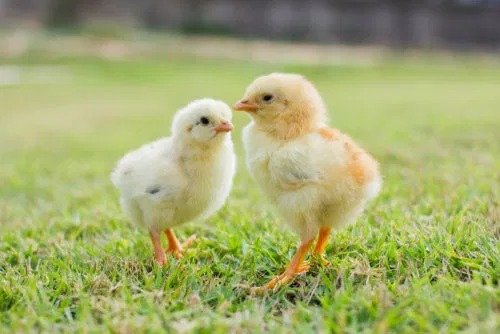
The "Perfect Brooder" phase lasts about 6 weeks. As they grow feathers, they become more resilient. You'll move from the high-intensity care of the galvanized tank to the freedom of the grass. This transition is where your hard work in the brooder pays off. Strong, active chicks that have been protected from Pasty Butt and Coccidiosis will hit the ground running, literally.
Final Thoughts for the Anxious Beginner
It is okay to be nervous. In fact, that nervousness shows you care about the welfare of your animals. The key is to channel that energy into a solid routine. Clean the waterers daily, stir the bedding to keep it dry, and spend five minutes every morning just watching your chicks interact.
At AZ Chickens, we aren't just selling you birds; we’re inviting you into a community. From our FAQ for Arizona residents to our rewards program, we are here to support every step of your journey. You have the tools, you have the guide, and now, you have the perfect brooder plan.
Ready to start your flock? Check out our available chicks and hatching eggs and let’s get growing!