


Best Chicken Feed for Protein Content - Premium Poultry Nutrition
Protein is the cornerstone of poultry nutrition, directly influencing growth rates, egg production, feather quality, and overall flock health. Whether you're raising backyard layers for fresh eggs, growing meat birds for the table, or preparing show birds for competition, selecting chicken feed with the appropriate protein content is one of the most critical decisions you'll make for your flock's success. Our curated collection of high-protein chicken feeds ranges from 16% to 24% protein content, offering specialized formulations for every life stage and purpose. From non-GMO layer feeds enhanced with oregano and garlic for immune support, to innovative soy-free formulas featuring black soldier fly larvae and fishmeal, to premium gamebird starters with 24% protein for maximum growth—each product has been selected for its quality ingredients, optimal protein levels, and proven results. Understanding your birds' specific protein requirements prevents both deficiency-related problems like poor feathering and slow growth, as well as excess-related issues like kidney strain and unnecessary feed costs. This collection takes the guesswork out of protein nutrition, providing clearly labeled options that match your flock's developmental stage and production goals, ensuring your chickens receive the precise nutrition they need to thrive.
Key Takeaways
- Protein requirements vary by bird type: layers need 16-18%, chicks require 18-20%, and meat birds thrive on 20-24% protein content
- Higher protein feeds accelerate growth, improve egg production, and support feather development during molting seasons
- Natural protein sources like black soldier fly larvae, fishmeal, and non-GMO ingredients offer superior digestibility compared to synthetic alternatives
- Matching protein levels to your flock's life stage prevents nutritional deficiencies and optimizes feed conversion ratios
What should you look for in high-protein chicken feed?
When selecting high-protein chicken feed, prioritize the quality and source of protein ingredients rather than just the percentage on the label. Look for feeds that list specific protein sources like black soldier fly larvae, fishmeal, mealworms, or legumes in the first few ingredients. Natural, whole-food protein sources are more bioavailable and digestible than synthetic amino acids or low-quality by-products. Additionally, consider complementary nutrients that work synergistically with protein—calcium from oyster shells supports strong eggshells in layers, while essential amino acids like methionine and lysine are crucial for proper protein utilization. The feed should be free from fillers, artificial colors, and unnecessary additives. For organic or health-conscious flocks, seek non-GMO, soy-free, or certified organic options that maintain high protein levels through alternative ingredients. Finally, ensure the protein percentage matches your birds' specific needs: growing chicks and meat birds require significantly more protein than mature laying hens.
How do you choose the right protein level for your flock's needs?
- Laying hens (20+ weeks): 16-18% protein maintains consistent egg production and supports body maintenance without excess weight gain
- Chicks and pullets (0-20 weeks): 18-20% protein fuels rapid growth, bone development, and feather formation during critical development stages
- Meat birds and broilers: 20-24% protein maximizes muscle development and accelerates growth rates for optimal market weight
- Show birds and gamebirds: 22-24% protein enhances plumage quality, muscle definition, and overall conditioning for competitive exhibition
- Molting hens: Temporarily increase to 18-20% protein to support feather regrowth and help birds recover from the stress of molting
- Mixed-age flocks: Use 18% all-flock formulas that provide adequate nutrition across different life stages without over- or under-feeding specific groups
Frequently Asked Questions
What is the best source of protein in chicken feed?
The best protein sources for chicken feed include animal-based proteins like black soldier fly larvae, fishmeal, and mealworms, which provide complete amino acid profiles with excellent digestibility rates of 85-95%. Black soldier fly larvae have emerged as a sustainable, nutrient-dense option containing 40-45% protein along with beneficial calcium and lauric acid. Fishmeal offers omega-3 fatty acids alongside protein, supporting immune function and egg quality. Plant-based options like peas, lentils, and alfalfa meal provide 20-30% protein and work well in vegetarian formulas, though they may require amino acid supplementation. Soybean meal has traditionally been the industry standard at 44-48% protein, but many poultry keepers now prefer soy-free alternatives due to GMO concerns and potential digestive sensitivities. The optimal approach combines multiple protein sources to create a balanced amino acid profile that mirrors what chickens would naturally consume foraging for insects, seeds, and plants.
What is a cheap source of protein for chickens?
Budget-friendly protein sources for chickens include kitchen scraps like cooked eggs, meat trimmings, and fish waste, which provide high-quality protein at essentially no cost. Sprouted grains and legumes increase protein content by 15-20% compared to dry seeds while improving digestibility. Black oil sunflower seeds offer 16% protein and healthy fats at a reasonable price point. Dried mealworms can be raised at home for pennies per pound, providing 50% protein content. Garden waste like weeds, grass clippings, and vegetable trimmings contribute modest protein while adding variety. Cottage cheese and plain yogurt offer affordable animal protein and probiotics. For larger operations, purchasing feed in bulk 50-pound bags rather than small quantities reduces per-pound costs by 30-50%. Seasonal discounts on quality feeds during harvest months can yield significant savings. However, avoid compromising on feed quality to save money—poor nutrition leads to decreased egg production, slower growth rates, and increased health problems that ultimately cost more than premium feed. The most economical approach balances quality commercial feed with supplemental protein sources from your property and kitchen.
What chicken feed has 20% protein?
Chicken feeds with 20% protein are typically formulated as starter-grower feeds for young chicks or as specialized feeds for meat birds in their finishing phase. While the collection shown focuses on 16-24% ranges, the 22% All Natural Start to Finish Meatbird Crumbles closely approximates this level and is designed for broilers requiring accelerated growth. Many manufacturers produce 20% protein gamebird and turkey starters that work excellently for chickens during high-demand periods. Feeds labeled as 'all-flock' or 'flock raiser' commonly contain 18-20% protein to accommodate mixed-age flocks with varying nutritional needs. This protein level sits in the optimal range for pullets aged 8-20 weeks as they transition from chick starter to layer feed, supporting continued growth while preparing their bodies for egg production. For DIY enthusiasts, achieving 20% protein requires carefully balancing ingredients: a mixture of 60% grains (corn, wheat, oats at 8-12% protein), 25% high-protein supplements (fishmeal, black soldier fly larvae at 40-50% protein), and 15% legumes or seeds (peas, sunflower at 20-30% protein) can approximate this target. Always verify protein content through feed analysis if mixing your own formulations.
How to get more protein into chickens?
Increasing protein intake for your flock can be accomplished through multiple complementary strategies. First, upgrade to a higher-protein commercial feed appropriate for your birds' life stage—switching from 16% layer feed to 18% during molting season or stressful periods significantly boosts protein availability. Supplement with high-protein treats like mealworms (50% protein), black soldier fly larvae (40% protein), crickets, or cooked eggs, limiting treats to 10% of total diet to maintain nutritional balance. Provide access to free-range areas where chickens can forage for insects, worms, and grubs—their natural protein sources. Sprouting grains before feeding increases protein content by 15-20% and improves digestibility. Offer protein-rich seeds like black oil sunflower seeds (16% protein) or pumpkin seeds (30% protein) in moderation. During high-demand periods like molting, egg-laying peaks, or cold weather, add protein supplements specifically designed for poultry, such as fishmeal (60% protein) or feather meal (80% protein), mixed into feed at 5-10% by weight. Ensure constant access to fresh water, as protein metabolism requires adequate hydration. Fermented feeds improve protein absorption by pre-digesting nutrients and increasing bioavailability. Monitor your flock's condition—glossy feathers, strong egg production, and active behavior indicate adequate protein levels.
Can chickens have too much protein in their diet?
Yes, excessive protein can harm chickens and create unnecessary health risks and expenses. While protein is essential, feeding more than needed forces the birds' kidneys to work harder to process and eliminate excess nitrogen, potentially leading to kidney damage over time. Mature laying hens fed 22-24% protein formulas designed for meat birds may develop obesity, fatty liver disease, and reduced egg production as their bodies convert excess protein to fat. High-protein diets increase water consumption and produce wetter, more ammonia-rich droppings that create unhealthy coop conditions and respiratory irritation. Economically, protein is the most expensive feed component—overfeeding it wastes money without providing benefits. Chicks given excessive protein may experience accelerated growth that outpaces skeletal development, leading to leg problems and structural issues. The key is matching protein levels to life stage: layers need 16-18%, growing birds require 18-20%, and meat birds thrive on 20-24%. Symptoms of protein excess include increased thirst, watery droppings, lethargy, and decreased appetite. If you've been feeding high-protein formulas unnecessarily, transition gradually to appropriate levels over 7-10 days by mixing increasing proportions of the new feed to avoid digestive upset.
Sources
- The 7 Best Chicken Feeds of 2025 — www.thesprucepets.com
- Best Organic Chicken Feed | Prices, Reviews, Shipping + - Mile Four — milefour.com
- The Best Chicken Feed — www.backyardchickens.com
- Top 10 High-Protein Chicken Forage Greens To Grow At Home — www.dineachook.com.au
- Quakertown Neighborhood Association | Looking for a chicken feed that’s 20% protein  | Facebook — www.facebook.com
-
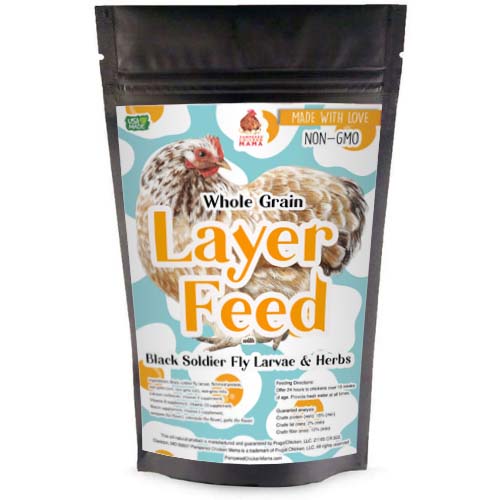
16% Protein Soy-Free Layer Feed - Black Soldier Fly & Fishmeal
Best Chicken Feed for Protein Content - Premium Poultry NutritionRegular price From $34.47Regular priceUnit price per$57.97Sale price $34.47Sale -
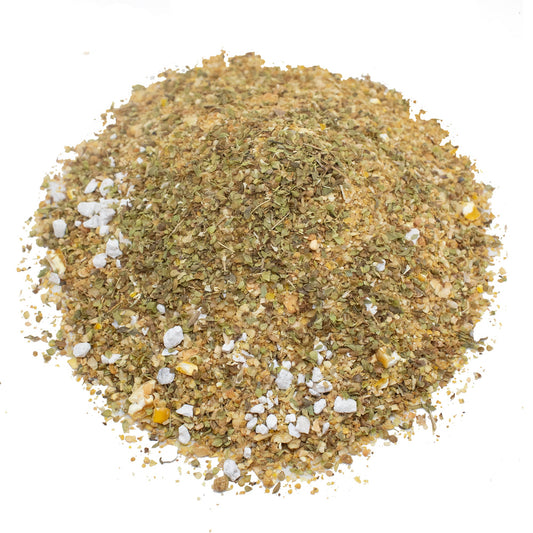
16% Protein Non-GMO Layer Feed with Oregano, Garlic & Oyster Shells
Best Chicken Feed for Protein Content - Premium Poultry NutritionRegular price From $37.99Regular priceUnit price per$32.99Sale price $37.99


Featured On


Do you offer a live-arrival guarantee for quail?
Do you offer local pickup instead of shipping?
How are live quail shipped and what should I expect?
How do you ship hatching eggs safely?
How does shipping work for baby chicks?


Live Chick Guarantee
We go the extra mile and provide 115% store credit for any losses.

Self-Sufficient
Eggs for breakfast & food for the family!

Heat Hardy
Focusing on heat hardy birds and flock support

Customer Service
You have questions? We're family operated and treat you like family!
- Choosing a selection results in a full page refresh.
- Opens in a new window.