Backyard Chicken Startup Cost Calculator 2025: A Buyer's Guide Focused on Craftsmanship, Value, and the Right Gear

Nov 30, 2025by Content Team

Backyard Chicken Startup Cost Calculator 2025: A Buyer's Guide Focused on Craftsmanship, Value, and the Right Gear

Planning your first flock should feel like commissioning a well-tailored suit: choose quality materials, match the “fit” to your climate, and invest in craftsmanship where it matters. This guide pairs a practical 2025 startup cost calculator with clear product recommendations from Az Chickens, so you can budget intelligently and buy once. We’ll show you how to size your coop, whether to start with chicks or hatch, and where premium workmanship (think Amish-built coops—backyard poultry’s version of Italian craftsmanship) delivers day-to-day value.

Key Takeaways / Summary

  • First-year baseline: Research indicates an average first-year total of $1,115 for a typical beginner flock (ongoing costs average $805 annually in years 2–8). Use the calculator below to fine-tune for flock size, climate, housing type, and feed choice.
  • Build quality matters: Premium coops with heavy-duty wood and Amish craftsmanship hold up in weather, reduce maintenance, and feel “tailored” to your yard like a luxury suit that fits perfectly.
  • Top brands here: OverEZ (heavy-duty wood coops, Amish craftsmanship) and Cimuka (brooding and incubation systems with durable plastic/metal, designed for educational and small-scale use).
  • Standout features to look for:
    • Coops: heavy-duty wood, solid flooring for year-round use, well-built nesting boxes, long-term durability.
    • Brooding: secure housing for small birds, easy monitoring, educational use.
    • Incubation (optional): user-friendly, compact, suitable for home and classroom use.
  • Budget levers: DIY vs pre-built vs premium coops, climate add-ons for hot regions, conventional vs organic feed, and whether you buy chicks or hatch.
  • Hidden costs to plan for: predator-proofing, vet care, seasonal supplements, and cooling aids in hot climates.
  • ROI snapshot: A five-year investment of $7,140 with an average cost of $1.98 per egg (research estimate). Compare to your local egg prices to gauge break-even.

Why Budgeting Matters (and Where Costs Surprise Beginners)

Coops, feed, bedding, and climate control are the big-ticket items. The most common surprises are the costs of heat/cooling management in hot climates, sturdier predator protection than expected, and upgrades to better materials after that first season. Planning upfront—especially on housing—pays off. Like choosing full-canvas over fused in a luxury suit, the right structure feels better, lasts longer, and saves you from “buying twice.”

As you read, use the calculator to sanity-check your plan, then refer to the product picks to match gear to your flock size and climate. Links to in-depth how-to resources (e.g., desert heat management) are woven in where they’re most helpful.


Interactive: Backyard Chicken Startup Cost Calculator (2025)

Use this estimator to plan your first-year startup budget. It’s based on research figures (baseline $1,115 for a typical first-year setup), then adjusts for flock size, climate, housing, and feed. These are planning assumptions (not product pricing); tailor the result to your local costs and preferences.

How to use it:

  • Pick your flock size and climate (hot regions add cooling needs).
  • Choose housing (DIY, pre-built, or premium) and feed type.
  • Optionally enter your local egg price to compare costs with store-bought eggs.

Estimated first-year total:

Estimated annual ongoing (years 2+):

Five-year cumulative:

Cost per egg benchmark (research): $1.98


Detailed Cost Breakdown (with Product Picks)

Use these categories to design a setup that fits like a made-to-measure suit: the right structure, the right materials, and smart extras that respect your climate and routine. As you compare options, keep clicking through to in-depth guides such as Southern Climate Housing Solutions and How to Help Chickens in the Desert, Extreme Heat & Summer for practical, climate-specific advice.

1) Housing: DIY vs Pre-Built vs Premium

Housing is the backbone of your budget. Premium coops are built with heavy-duty wood and thoughtful details; that Amish craftsmanship is your “Italian tailoring” equivalent in the backyard. For a 3–12 bird suburban flock, a pre-built coop saves time and ensures a predictable fit; premium options scale to larger flocks and year-round durability.

  • DIY: Lowest cost if you have tools/time; factor for weatherproofing, predator protection, and ventilation.
  • Pre-Built: Balanced value—arrives ready and reliable; less rework over time.
  • Premium: Highest upfront, but stronger performance and longevity. Better materials, fewer mid-season repairs.

Quick sizing guide: plan about 3–4 sq ft of interior coop space per standard hen (more in hot climates to improve airflow) and 8–10 sq ft per hen in the run. A solid floor helps deter drafts and rodents and supports year-round use.

Explore heat-focused setup advice for the Southwest in Southern Climate Housing Solutions and How to Help Chickens in the Desert, Extreme Heat & Summer.

2) Starter Birds: Chicks vs Pullets

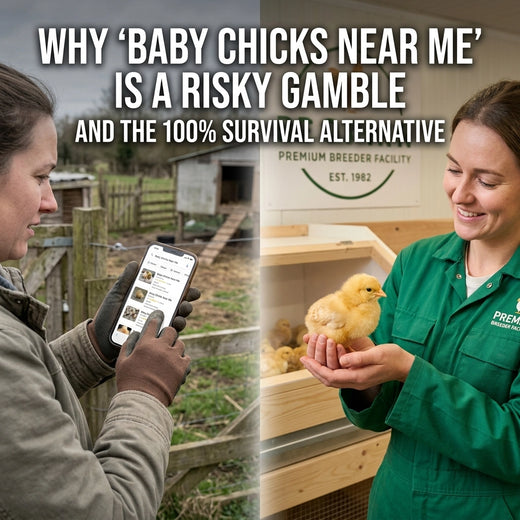
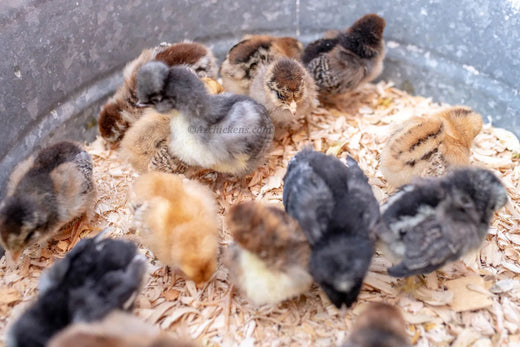
Chicks are more affordable up front and great for families or homeschool projects; pullets cost more initially but start laying sooner. Browse Baby Chicks or see Adult Chickens if you prefer an earlier egg timeline.

  • Chicks: Lower purchase price; require brooder, heat, and daily checks for the first 6–8 weeks.
  • Pullets: Higher purchase price; bypass brooding and reach lay sooner, reducing time to first eggs.

3) Brooding Gear (If Starting with Chicks)

If you’re raising small breeds or want a clean, educational setup, a well-designed brooder pays dividends. Look for secure panels and easy monitoring for stress-free early weeks.

  • Essentials: enclosed brooder, heat source, thermometer, chick feeder/waterer, and appropriate bedding.
  • Cleanability matters: smooth, durable surfaces reduce odor and disease pressure and simplify daily care.

4) Feed, Water, Bedding

Plan for feeders, waterers, and bedding that match flock size and climate demands. Start with the essentials and scale as you go. Shop Coops, Waterers, Feeders & Bedding.

  • Feed: choose a complete ration (conventional or organic); adjust for age (starter, grower, layer).
  • Water: prioritize clean, shaded water access; add electrolytes during heat waves if recommended.
  • Bedding: absorbent materials (e.g., pine shavings) support coop hygiene and odor control.

5) Optional: Incubation for Hatching at Home

Hatching is optional in year one, but great for schools and small homesteads. Select compact, user-friendly incubators that suit home and classroom environments.

Note: To hatch your own eggs, you’ll need fertile eggs (a rooster with your flock or a source for fertilized eggs). Incubation requires steady temperature and humidity plus daily monitoring.

OverEZ Large Chicken Coop - Heavy Duty Wood - Up to 15 Chickens

OverEZ Large Chicken Coop - Heavy Duty Wood - Up to 15 Chickens

See current price

Brand: OverEZ

Material: wood

  • Heavy-duty wood design
  • Amish craftsmanship; designed for long-term use
  • Best for: 6–15 bird flocks needing a durable, year-round shelter with solid flooring
View Product
OverEZ Large Wooden Chicken Coop - 30 Chickens, 10 Nesting Boxes

OverEZ Large Wooden Chicken Coop - 30 Chickens, 10 Nesting Boxes

See current price

Brand: OverEZ

Material: wood

  • Made with a floor for year-round use
  • Accommodates large flocks; 10 nesting boxes
  • Best for: larger flocks and keepers who want ample nesting to minimize crowding and stress
View Product
Chick Brooder - 2 Section H:9.5" (Starter Kit for Game Birds and Small Chicken Breeds)

Chick Brooder - 2 Section H:9.5"

See current price

Brand: Cimuka

Material: plastic

  • Catering to small birds; perfect for educational use
  • Allows for easy monitoring of chicks
  • Best for: tidy, classroom-friendly brooding with quick visual checks and easy cleaning
View Product
CT120 SH - Egg Incubator - Setter & Hatcher

CT120 SH - Egg Incubator - Setter & Hatcher

See current price

Brand: Cimuka

Material: plastic, metal

  • User-friendly interface; compact for backyard use
  • Suitable for educational purposes
  • Best for: home and school hatching projects that need straightforward controls and clear organization
View Product

Budget Optimization Tips (Without Sacrificing Welfare)

  • Buy the right size coop once. A solid wood coop sized for your flock avoids mid-season surprises.
  • Start with chicks only if you’re set up to brood; otherwise consider started pullets to shorten the path to eggs.
  • In hot climates, plan shading and airflow early. See How to Help Chickens in the Desert, Extreme Heat & Summer.
  • Use durable, easy-clean materials for brooding and incubation to reduce losses and maintenance over time.
  • Keep a reserve for predator-proofing upgrades (latches, hardware cloth) and seasonal supplements.
  • Electricity adds up: account for brooder heat, coop lighting, and any fans or cooling aids in summer.

Hidden Costs to Include in Your Plan

  • Predator protection: stronger latches, fencing, hardware cloth, covered runs.
  • Vet care and health: occasional exams, wound care, parasite control.
  • Seasonal additions: electrolytes in heat, extra bedding, supplemental feed during molt.
  • Cooling aids (hot climates): shade structures, airflow improvements; see Southern Climate Housing Solutions for ideas.
  • Local rules: permits, HOA approvals, and rooster restrictions where applicable.

ROI: When Do Backyard Eggs Pay Back?

From the research summary: the backyard investment over five years can total about $7,140, with an average cost per egg of $1.98. Use the calculator to plug in your local egg price and flock size, and see whether your motivation is savings, sustainability, or quality-control (organic feed, humane care). Either way, the value isn’t just dollars—like choosing a luxury suit made from quality materials, the day-to-day experience and durability are the payoff.

Planning the math (example): many standard breeds lay roughly 180–220 eggs per hen per year in peak seasons, with production tapering after year two. Multiply your estimated eggs by flock size to compare against store prices. Your climate, breed mix, and management will affect results.

Where to Start (Step-by-Step)

  1. Decide flock size (3, 6, 12, or 25) and climate priorities.
  2. Choose housing tier: DIY, pre-built, or premium. If you’re in a hot region, prioritize ventilation and shade.
  3. Pick chicks or pullets. Browse Baby Chicks or Adult Chickens.
  4. If brooding, plan your brooder and first 8 weeks of care. See the Cimuka brooder above and review Chick Care.
  5. Decide on feed type (conventional vs organic). Shop feeders/waterers in Coops, Waterers, Feeders & Bedding.
  6. Use the calculator, then set aside a buffer for hidden costs.

Image Gallery: Breeds and Starter Ideas

Click any image to explore the relevant collection or resource.

Helpful Resources

Note: Calculator outputs are planning estimates based on research figures (e.g., $1,115 first-year baseline, $805 ongoing). They are not product prices. For current pricing, visit each product page.

'); w.document.close(); w.focus(); w.print(); w.close(); } function emailResults() { const firstYear = document.getElementById('firstYear').textContent || ''; const ongoing = document.getElementById('ongoing').textContent || ''; const fiveYear = document.getElementById('fiveYear').textContent || ''; const subject = encodeURIComponent('My Backyard Chicken Budget (Calculator Results)'); const body = encodeURIComponent(`First-year estimate: ${firstYear}\nOngoing (years 2+): ${ongoing}\nFive-year cumulative: ${fiveYear}\n\nNote: Estimates are planning-only; visit product pages for current pricing.`); window.location.href = `mailto:?subject=${subject}&body=${body}`; } document.getElementById('calcBtn').addEventListener('click', compute); // Initial compute on load compute();