


Best Brooder Heater for Chicks - Premium Poultry Supplies
Keeping baby chicks warm during their critical first weeks is essential for healthy development and survival. Our carefully curated collection of the best brooder heaters for chicks features modern, energy-efficient heating solutions that outperform traditional heat lamps in safety, cost-effectiveness, and chick welfare. Whether you're a first-time chicken keeper or an experienced poultry enthusiast, you'll find everything needed to create the perfect brooding environment—from adjustable heating plates that mimic a mother hen's warmth to complete starter kits with premium feed and essential supplies. Modern brooder heating plates have revolutionized chick care by eliminating fire hazards while using up to 80% less electricity than conventional heat lamps. These innovative warmers provide consistent, adjustable heat that allows chicks to self-regulate their temperature naturally, moving underneath when cold and emerging when comfortable. Our collection includes various brooder sizes and configurations to accommodate flocks of all sizes, paired with high-protein starter feeds formulated specifically for optimal chick growth. Each product has been selected for quality, reliability, and proven performance in supporting healthy chick development from day one through full feathering. Explore our complete range of brooder heaters, housing, and care essentials to give your flock the best possible start.
Key Takeaways
- Adjustable heating plates are safer and more energy-efficient than traditional heat lamps for brooding chicks
- Baby chicks need temperatures between 90-95°F during their first week, decreasing by 5°F each week until fully feathered
- Complete brooder kits with proper heating, feed, and housing provide the best start for healthy chick development
- Energy-efficient brooder warmers can reduce electricity costs by up to 80% compared to conventional heat lamps
What should you look for in a brooder heater for chicks?
When selecting a brooder heater for chicks, prioritize safety, adjustability, and energy efficiency. The best brooder heaters feature adjustable height settings to accommodate growing chicks, allowing you to raise the heat source as they develop feathers and require less warmth. Look for heaters with even heat distribution to prevent cold spots that could stress your flock. Modern heating plates are superior to traditional heat lamps because they eliminate fire hazards, reduce energy consumption, and mimic the natural warmth of a mother hen. Choose heaters made from durable, easy-to-clean materials that can withstand the dusty brooder environment. Size matters too—ensure your heater can adequately warm all chicks in your brooder, with at least 10 square inches of heated space per chick. Temperature control features, whether manual or automatic, help maintain optimal conditions throughout the critical first weeks of development.
How do you choose the right brooder setup for baby chicks?
- Select a brooder size appropriate for your flock—allow 0.5 square feet per chick for the first two weeks, increasing to 1 square foot by week six
- Choose heating equipment that provides consistent warmth without hot spots, with adjustable settings to reduce temperature by 5°F weekly
- Include essential supplies like quality starter feed (18-20% protein), clean waterers, absorbent bedding, and proper ventilation to prevent respiratory issues
- Ensure the brooder has adequate height for heat adjustment and eventual chick growth, with secure sides to prevent drafts and escapes
- Consider complete starter kits that bundle heating plates, feeders, waterers, and feed for convenience and guaranteed compatibility
Frequently Asked Questions
What are the best Chick-Brooder heaters?
The best chick-brooder heaters are adjustable heating plates that provide safe, energy-efficient warmth. Top-performing options include 10x10 inch adjustable heating plates that accommodate 15-20 chicks and can be raised as birds grow. These modern brooder warmers use radiant heat technology to mimic a mother hen, allowing chicks to move in and out as needed to self-regulate their temperature. Unlike heat lamps, heating plates eliminate fire risks, use 80% less electricity, and don't emit disruptive light that can stress chicks. Look for models with sturdy legs, adjustable height ranges from 2-10 inches, and durable construction that's easy to clean. The most effective heaters maintain consistent temperatures between 90-95°F for newly hatched chicks, with simple adjustments to lower temperatures by 5°F each week until chicks are fully feathered at 5-6 weeks old.
What temperature is too cold for baby chicks?
Baby chicks require temperatures of 90-95°F during their first week of life, and anything below 85°F is too cold for newly hatched chicks. Their body temperature regulation system is underdeveloped, making them extremely vulnerable to cold stress, which can lead to hypothermia, illness, and death. Each week after hatching, you can reduce the brooder temperature by 5°F—so week two should be 85-90°F, week three 80-85°F, and so on. By 5-6 weeks, when chicks are fully feathered, they can tolerate temperatures around 65-70°F. Watch your chicks' behavior rather than relying solely on thermometers: if they huddle tightly under the heat source and chirp loudly, they're too cold. If they spread out away from the heat and pant, they're too warm. Properly behaved chicks will move freely between the heat source and cooler areas, eating, drinking, and resting comfortably throughout the brooder space.
Is a heating pad or heat lamp better for chicks?
Heating pads (brooder plates) are significantly better than heat lamps for raising chicks due to superior safety, efficiency, and chick welfare. Brooder heating plates eliminate the fire hazard associated with heat lamps, which cause numerous coop fires annually when bulbs contact flammable bedding or fail due to moisture exposure. Heating plates use 75-80% less electricity than 250-watt heat lamps, saving substantial money over the 5-6 week brooding period. They provide more natural warmth that mimics a mother hen, allowing chicks to walk underneath when cold and emerge when comfortable, promoting natural behavior and better temperature self-regulation. Unlike heat lamps, heating plates don't emit constant light, which can stress chicks and disrupt natural sleep cycles. The adjustable height feature of quality heating plates accommodates growing chicks perfectly, while heat lamps require frequent repositioning. Heating plates also distribute warmth more evenly without creating dangerous hot spots or leaving cold zones in the brooder.
Is red or clear heat lamp better for chicks?
If you must use a heat lamp, red bulbs are better than clear (white) bulbs for chicks, though modern heating plates are the superior choice overall. Red heat lamps provide the necessary warmth while emitting a softer, less intense light that reduces stress, discourages aggressive pecking behavior, and allows chicks to rest more naturally. The red spectrum makes it harder for chicks to see blood if pecking injuries occur, which can prevent cannibalistic behavior that escalates when birds see red wounds under bright white light. Clear heat lamps produce harsh, bright light that can cause stress, disrupt sleep patterns, and increase aggressive behavior among chicks. However, both types of heat lamps pose significant fire risks, consume excessive electricity, create uneven heating with dangerous hot spots, and can cause eye strain. For these reasons, adjustable brooder heating plates have become the gold standard in chick raising, offering all the benefits of safe, consistent warmth without the drawbacks of any lamp-based heating system.
How long do baby chicks need a heat source?
Baby chicks typically need supplemental heat for 5-6 weeks, or until they're fully feathered and can regulate their own body temperature effectively. The exact timeline depends on several factors including breed, ambient temperature, and feather development rate. Start at 90-95°F for the first week, then reduce temperature by 5°F each subsequent week. By week five or six, when temperatures reach 65-70°F and chicks have developed their juvenile feathers, most can transition off heat entirely if the ambient temperature is stable. Heavier breeds and those with slower feather development may need heat slightly longer, while fast-feathering breeds might transition sooner. Monitor chick behavior closely during weaning—if they huddle and chirp distressfully when heat is reduced, they need more time. Gradually introduce periods without heat during warmer parts of the day, extending these periods as chicks mature. Weather also matters; chicks brooded in winter or cold climates need heat longer than those raised in warm seasons.
Sources
- Australian Poultry by Backyard Poultry | Hi everyone | Facebook — www.facebook.com
- Brooder lamp review: Brinsea's 3 EcoGlow Safety heaters on test. — www.raising-happy-chickens.com
- BEST Brooder For Chicks in 2025 | SAFE + Reliable Choices — www.thefarmerscupboard.com
- What is the best brooder heater | BackYard Chickens — www.backyardchickens.com
- 15 Best Chicken Coop Heaters | Real-World Tests November 2025 — greenwashingindex.com
-
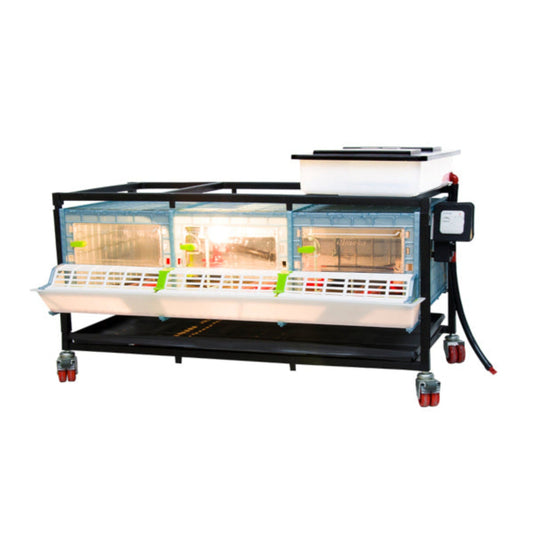
Chick Brooder - 1 Layer H: 9.5"
Best Brooder Heater for Chicks - Premium Poultry SuppliesRegular price $399.99Regular priceUnit price per -
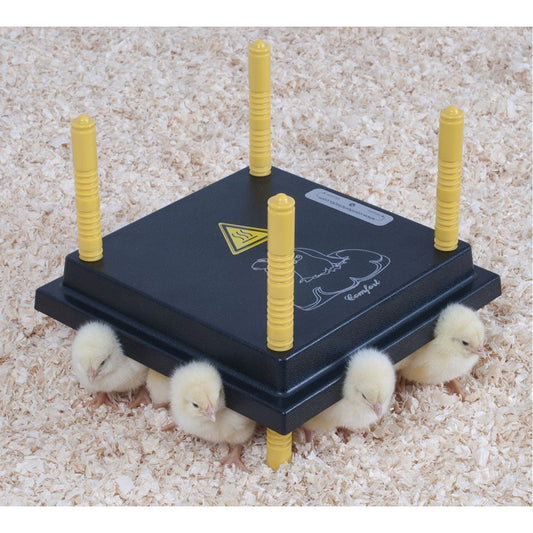
Adjustable Chick Heating Plate 10x10 - Energy Efficient Brooder Warmer
Best Brooder Heater for Chicks - Premium Poultry SuppliesRegular price $59.99Regular priceUnit price per


Featured On


Do you offer a live-arrival guarantee for quail?
Do you offer local pickup instead of shipping?
How are live quail shipped and what should I expect?
How do you ship hatching eggs safely?
How does shipping work for baby chicks?


Live Chick Guarantee
We go the extra mile and provide 115% store credit for any losses.

Self-Sufficient
Eggs for breakfast & food for the family!

Heat Hardy
Focusing on heat hardy birds and flock support

Customer Service
You have questions? We're family operated and treat you like family!
- Choosing a selection results in a full page refresh.
- Opens in a new window.