


Best Chicken Feed for Egg Production - Premium Layer Feeds
Maximizing egg production starts with providing your laying hens the optimal nutrition they need to produce consistently throughout the year. Our carefully curated collection of premium chicken feeds includes specialized layer formulations designed specifically for egg-laying hens, featuring the ideal protein levels, calcium content, and essential nutrients required for healthy, productive birds. Whether you're managing a backyard flock of heritage breeds or raising high-production layers, you'll find feeds formulated with quality ingredients like non-GMO grains, natural protein sources including black soldier fly larvae and fishmeal, and beneficial supplements such as oregano, garlic, and oyster shells. We offer both traditional and specialized options including soy-free formulations for birds with sensitivities, ensuring every chicken keeper can provide their flock with the nutrition needed for strong eggshells, vibrant yolk color, and consistent daily production. Each feed in this collection has been selected for its nutritional completeness, ingredient quality, and proven results in supporting optimal egg production while maintaining overall flock health and vitality.
Key Takeaways
- Layer feeds with 16-18% protein provide optimal nutrition for consistent egg production in mature hens
- Calcium sources like oyster shells are essential for strong eggshells and preventing shell-related issues
- Non-GMO and soy-free options offer cleaner nutrition for birds with sensitivities or organic egg production
- Consistent feeding schedules with quality layer feed can increase egg production by 15-25% compared to scratch grains alone
What should you look for in chicken feed for egg production?
The best chicken feed for egg production should contain 16-18% protein specifically formulated for laying hens. This protein range supports consistent egg production without causing excessive weight gain. Look for feeds that include calcium sources like oyster shells or limestone, as laying hens need 3-4 grams of calcium daily to produce strong eggshells. Quality layer feeds should also contain essential amino acids, particularly methionine and lysine, which directly impact egg size and production rates. Additional beneficial ingredients include omega-3 fatty acids for nutritional egg quality, natural herbs like oregano for immune support, and probiotics for digestive health. Avoid feeds with excessive fillers or artificial additives that provide little nutritional value. The feed form matters too—crumbles are easier for most chickens to eat and reduce waste compared to mash, while pellets work well for larger flocks.
How do you choose the right layer feed for maximum egg production?
- Match protein levels to your flock's age: 16-18% for laying hens, 18-20% for pullets approaching lay, and avoid higher protein meat bird feeds that can cause health issues
- Consider dietary preferences: Non-GMO feeds for organic operations, soy-free options for birds with allergies, and natural formulations without synthetic additives
- Evaluate calcium content: Look for feeds with added oyster shells or provide supplemental calcium free-choice to support 5-7 eggs per week production
- Check ingredient quality: Whole grains, quality protein sources (fishmeal, black soldier fly larvae, or plant proteins), and natural preservatives indicate premium nutrition
- Assess your flock's specific needs: Heritage breeds may need different nutrition than high-production hybrids, and seasonal changes affect nutritional requirements
Frequently Asked Questions
What is the best feed for chickens to lay eggs?
The best feed for egg-laying chickens is a complete layer feed containing 16-18% protein and 3-4% calcium. Layer feeds specifically formulated for mature hens (20+ weeks old) provide the optimal nutritional balance for consistent egg production. Top choices include feeds with whole grains, quality protein sources like fishmeal or black soldier fly larvae, and added calcium from oyster shells. Non-GMO layer feeds with natural ingredients like oregano and garlic offer immune support and improved gut health, which translates to better laying consistency. For hens with soy sensitivities, soy-free formulations using alternative protein sources maintain excellent egg production without common allergens. The key is feeding a nutritionally complete layer ration as the primary diet (90% of intake) while limiting treats and scratch grains to no more than 10% to maintain proper nutrition balance.
What chicken feed produces the most eggs?
Layer feeds with 16-18% protein and fortified calcium produce the most eggs when fed consistently as a complete diet. Feeds containing high-quality protein sources like fishmeal, black soldier fly larvae, or balanced plant proteins provide the amino acids necessary for maximum egg production. The addition of oyster shells or limestone ensures adequate calcium for daily egg formation—a hen needs approximately 4 grams of calcium per egg produced. Feeds enhanced with omega-3 fatty acids, probiotics, and natural herbs like oregano not only support higher egg production rates but also improve overall hen health and laying consistency. Research shows that hens fed complete layer rations produce 20-25% more eggs annually compared to those fed only scratch grains or table scraps. The most productive feeding program combines quality layer feed available free-choice throughout the day, fresh clean water, and minimal treats to maintain optimal nutrition levels.
How can I increase my chicken's egg production?
To increase egg production, start by feeding a high-quality layer feed with 16-18% protein and adequate calcium (3-4%) as 90% of your flock's diet. Ensure layer feed is available free-choice throughout the day, as hens that run out of feed will decrease production. Provide 14-16 hours of light daily, using supplemental lighting during shorter winter days to maintain consistent laying. Keep fresh, clean water available at all times—dehydration quickly reduces egg production. Offer calcium supplements like crushed oyster shells free-choice, allowing hens to self-regulate intake based on their needs. Minimize stress by maintaining clean coops, adequate nesting boxes (one per 3-4 hens), proper ventilation, and protection from predators. Add natural supplements like oregano, garlic, or probiotics to support immune function and digestive health. Monitor for parasites and illness, as health issues immediately impact laying. Finally, understand that breed, age, and season affect production—most hens lay best in their first two years and reduce output during molt and extreme weather.
What do the Amish feed their chickens?
Amish chicken keepers typically feed their laying flocks a combination of whole grains, kitchen scraps, garden produce, and natural layer feeds, emphasizing non-GMO and locally-sourced ingredients. Traditional Amish feeding practices include cracked corn, wheat, oats, and barley mixed with protein sources like fishmeal or meat scraps. They commonly provide crushed oyster shells or limestone free-choice for calcium supplementation. Many Amish farmers allow chickens to free-range extensively, where birds supplement their diet with insects, grubs, grass, and seeds—natural protein and nutrient sources that improve egg quality and yolk color. Kitchen waste including vegetable scraps, soured milk, and bread are often incorporated into the diet. For commercial layer operations, Amish farmers use complete layer feeds similar to conventional farms but often prefer non-GMO formulations with natural ingredients. Herbs like garlic and oregano are frequently added for natural health benefits. This traditional approach combines nutritional completeness with sustainability, producing high-quality eggs while maintaining cost-effective feeding practices that have proven successful for generations.
Is 16% or 18% protein better for laying hens?
For most laying hens, 16% protein is ideal for sustained egg production, while 18% protein is better for younger pullets just starting to lay or high-production breeds. The 16% protein level provides sufficient nutrition for mature hens (over 1 year old) to produce consistently without causing excessive weight gain or putting unnecessary strain on their kidneys from processing excess protein. This level supports production of 5-7 eggs per week in most breeds while maintaining overall health. The 18% protein feeds work well for pullets between 18-24 weeks old as they transition into laying, supporting both final growth and egg production startup. High-production hybrid breeds bred for commercial egg operations may also benefit from 18% protein during peak laying periods. However, feeding protein levels higher than needed can be counterproductive—excess protein is converted to uric acid, potentially causing health issues, and the extra cost provides no production benefit. Most backyard flocks and heritage breeds thrive on 16% layer feed, while 17-18% formulations suit younger or high-production birds during their peak laying season.
Sources
- 18 Best Chicken Feed Options Tested | Expert Reviews November 2025 — greenwashingindex.com
- Log in or sign up to view — www.facebook.com
- The Best Chicken Feed — www.backyardchickens.com
- The Best Chicken Feed - Business Insider — www.businessinsider.com
- What's the Best Organic Chicken Feed? — milefour.com
-
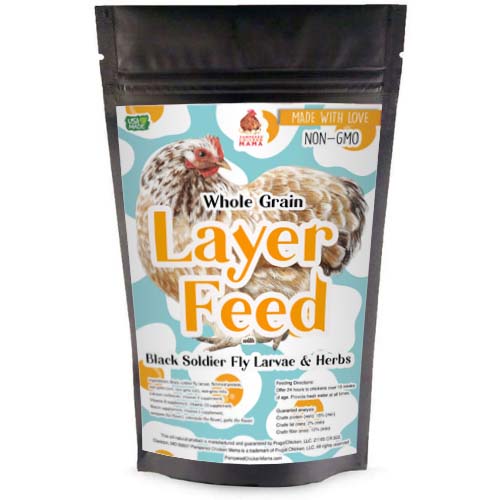
16% Protein Soy-Free Layer Feed - Black Soldier Fly & Fishmeal
Best Chicken Feed for Egg Production - Premium Layer FeedsRegular price From $34.47Regular priceUnit price per$57.97Sale price $34.47Sale -
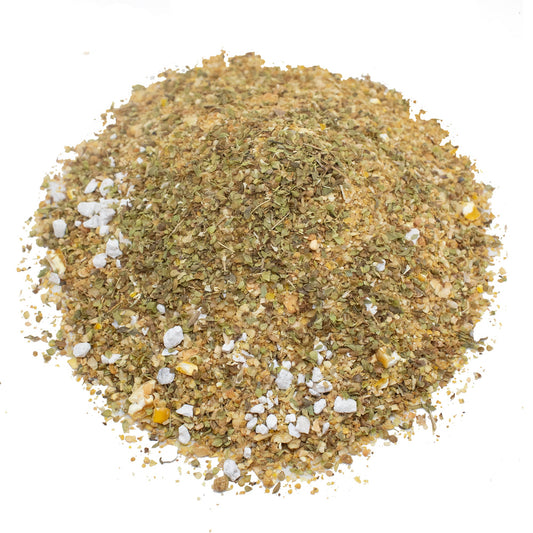
16% Protein Non-GMO Layer Feed with Oregano, Garlic & Oyster Shells
Best Chicken Feed for Egg Production - Premium Layer FeedsRegular price From $37.99Regular priceUnit price per$32.99Sale price $37.99


Featured On


Do you offer a live-arrival guarantee for quail?
Do you offer local pickup instead of shipping?
How are live quail shipped and what should I expect?
How do you ship hatching eggs safely?
How does shipping work for baby chicks?


Live Chick Guarantee
We go the extra mile and provide 115% store credit for any losses.

Self-Sufficient
Eggs for breakfast & food for the family!

Heat Hardy
Focusing on heat hardy birds and flock support

Customer Service
You have questions? We're family operated and treat you like family!
- Choosing a selection results in a full page refresh.
- Opens in a new window.