

Gift Ideas Under $50: A Craftsmanship-First Guide for Chicken Keepers (2025 Edition)
If you’re shopping for a chicken keeper or building a thoughtful wish list of your own, gifts under $50 can be both meaningful and truly useful. The secret is the same as buying a well-made garment: prioritize craftsmanship, fit-for-purpose design, and materials that hold up to daily use. The result is gear that works better, lasts longer, and feels “tailored” to the flock—without stretching the budget. Think of this guide as your fitter’s checklist: we’ll help you match the right upgrade to the right keeper, climate, and daily routine.
Key Takeaways / Summary
- Price sweet spot: Under $50 can cover books and educational resources, coop comfort add-ons (shade solutions, roost/cleaning tools), small-capacity hydration/feeding accessories, and beginner-friendly kits or add-ons.
- Brands worth knowing for solid build quality: OverEZ (watering systems), Hen Gear (nesting innovations), Hatching Time (quail housing). Look for thoughtful engineering, clean finishes, and parts that assemble with confidence.
- Best features for durability: BPA-free plastics for waterers, powder-coated or galvanized metals for hardware, UV-resistant materials for outdoor use, and tight-fitting seals or fasteners that won’t loosen in heat.
- Hot-climate (Arizona/Southwest) essentials: Heat mitigation, hydration reliability, and easy-clean surfaces matter more. Choose designs that minimize algae growth, keep water shaded and cooler, and resist brittleness.
- What to look for under $50: Smart upgrades that save time (egg-collection tools, feed scoops), improve health (supplement systems), or add comfort (shade fans/misters, cooling strategies), plus kid-friendly educational gifts.
- Fit and finish matters—like a great Italian suit: Clean seams, stable hardware, and a “just-right” capacity reduce breakage and make daily care smoother.
- Recipient-first ideas: Beginners benefit from simple starter add-ons; experienced flockkeepers appreciate specialized tools; homesteading families value sustainability upgrades; kids thrive on hands-on learning and observation tools.
- Shipping tip: For holiday gifting, aim to order by mid-December to meet most carrier cutoffs.
How to Shop Under $50 (Without Sacrificing Quality)
Under $50 doesn’t mean “cheap.” It means editing for essentials and picking materials that survive sun, dust, and daily use. As you evaluate options, picture how an experienced tailor inspects a jacket: they check stitch tension, lining placement, button anchoring, and drape. Do the same with chicken gear—evaluate seams, fasteners, and the way a tool sits in the hand so it feels balanced and dependable.
- Materials: Favor BPA-free plastics for waterers and feeders; powder-coated or galvanized steel for any metal parts in the coop; UV-resistant plastics for items left outdoors.
- Form and fit: For hydration items, ensure leak-free seals and ergonomic access. For collection tools, look for rounded edges and easy-grip handles that work with gloves.
- Cleaning ease: Smooth surfaces, detachable parts, and designs that disassemble quickly save time (and improve biosecurity).
- Heat performance: In the Southwest, hardware that stays cooler and resists brittleness extends lifespan and reliability.
Quick inspection test: Does the lid twist on without cross-threading? Do pieces “click” together firmly? Can you operate it one-handed while holding a scoop or basket? If yes, you’re likely looking at better craftsmanship.

DIY Gift Bundles Under $50
When the product mix changes seasonally, bundling essentials is a smart way to deliver value without overthinking. These ideas focus on fundamentals your recipient will use right away. Treat each like a capsule wardrobe—cohesive, versatile, and tailored to daily routines.
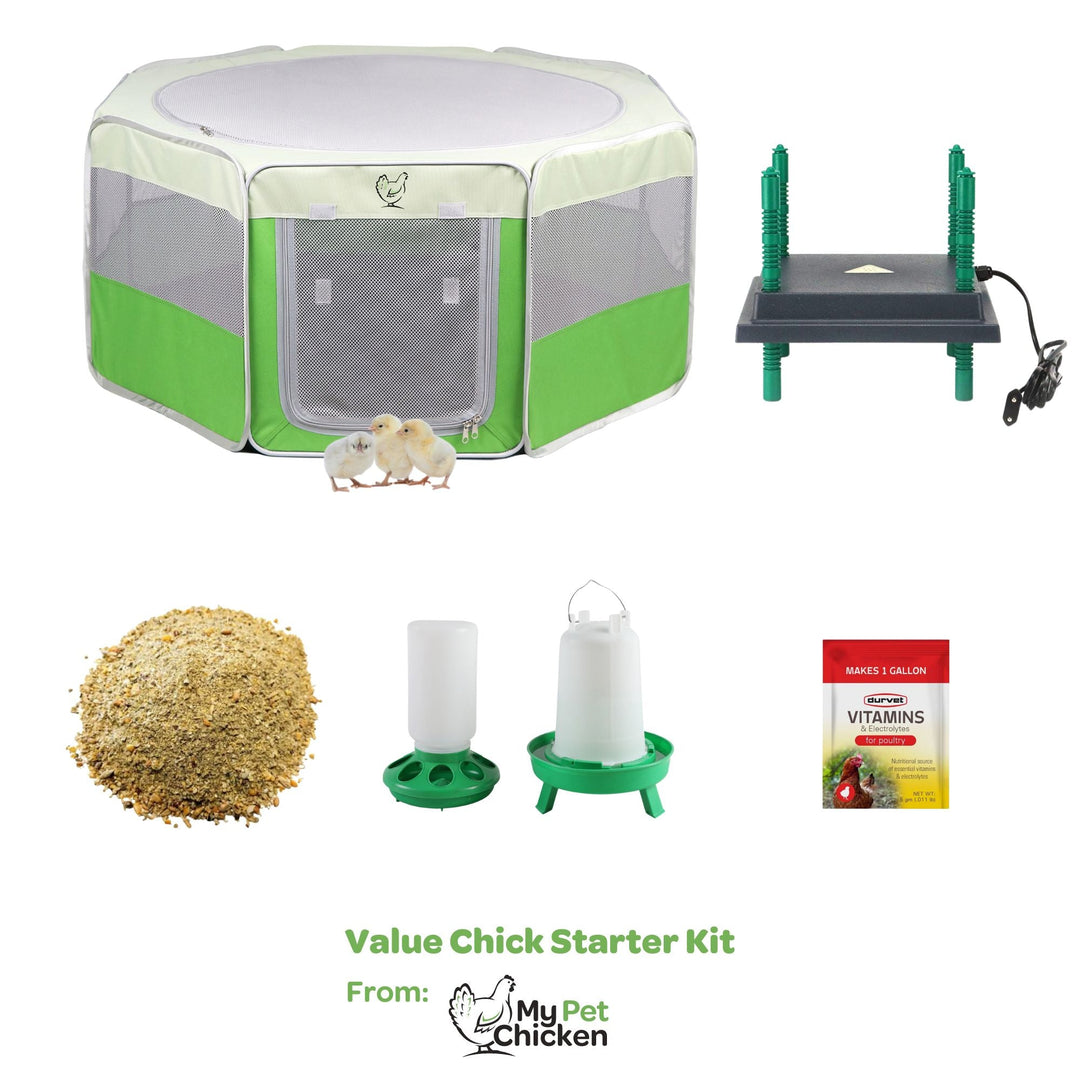
- The Beginner Bundle (around $45): Intro reading, a basic feed scoop, and a simple hydration add-on. It’s the “first suit”—practical, neutral, and ready for daily wear. Look for scoops with measurement marks and a compact, BPA-free waterer attachment that won’t leak under summer heat.
- The Winter Care Kit (around $38): Coop-cleaning brush, moisture management supplies, and a small roost comfort upgrade. Like a seasonal layer, it keeps the core system comfortable. Choose nylon bristles that rinse clean and roost coverings that don’t trap moisture.
- The Egg Collector’s Set (around $29): A gentle basket/collector and soft cloths. It’s the equivalent of a refined accessory that does one job very well. Rounded handles, smooth interior surfaces, and breathable materials reduce accidental cracks.
For inspiration on what to include (and how to prioritize), browse these helpful guides for context and checklists you can print or share with your gift:
- Chick Care: Resources & Education — solid foundation for beginners.
- Southern Climate Housing Solutions — understand coop layout and heat-smart choices.
- Sustainable Hot Climate Practices — efficiency and longevity in tough weather.
Gifts by Recipient Type
Aspiring Chicken Keepers
For the “just getting started” crowd, focus on clarity, confidence, and simple routines. Think of this like introducing them to a well-constructed blazer—clean lines, no fussy extras, and easy to mix and match.
- Education-first: Offer reputable reading and how-to resources. Start with Chick Care Tips and Hatching Egg Tips.
- Setup helpers: Lightweight collection tools, basic feed scoops, and simple cleaning brushes that won’t break in heat. Favor tools with non-slip grips and smooth edges to prevent coop damage.
- Climate readiness: Intro to shade strategies and hydration reliability from Hot Weather Health & Nutrition.
Experienced Backyard Flockers
Veteran keepers value upgrades that reduce friction. Under $50, prioritize accessories that sharpen daily routines or add durability—like reinforcing linings and better buttons on a suit.
- Ergonomic tools: Items that are easier to grip or clean, especially in heat and dust. Think silicone seals, removable lids, and handles that balance when full.
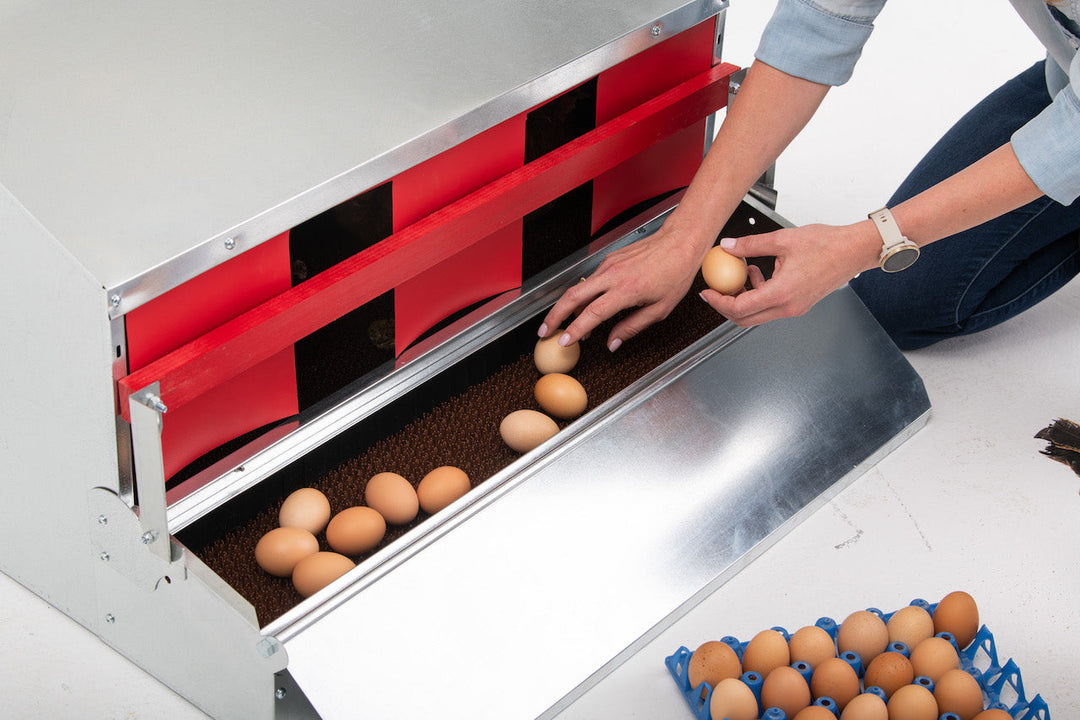
- Nest refinements: Look at ideas inspired by innovations like Hen Gear trays—smart egg access and tidy interiors that limit pecking and breakage.
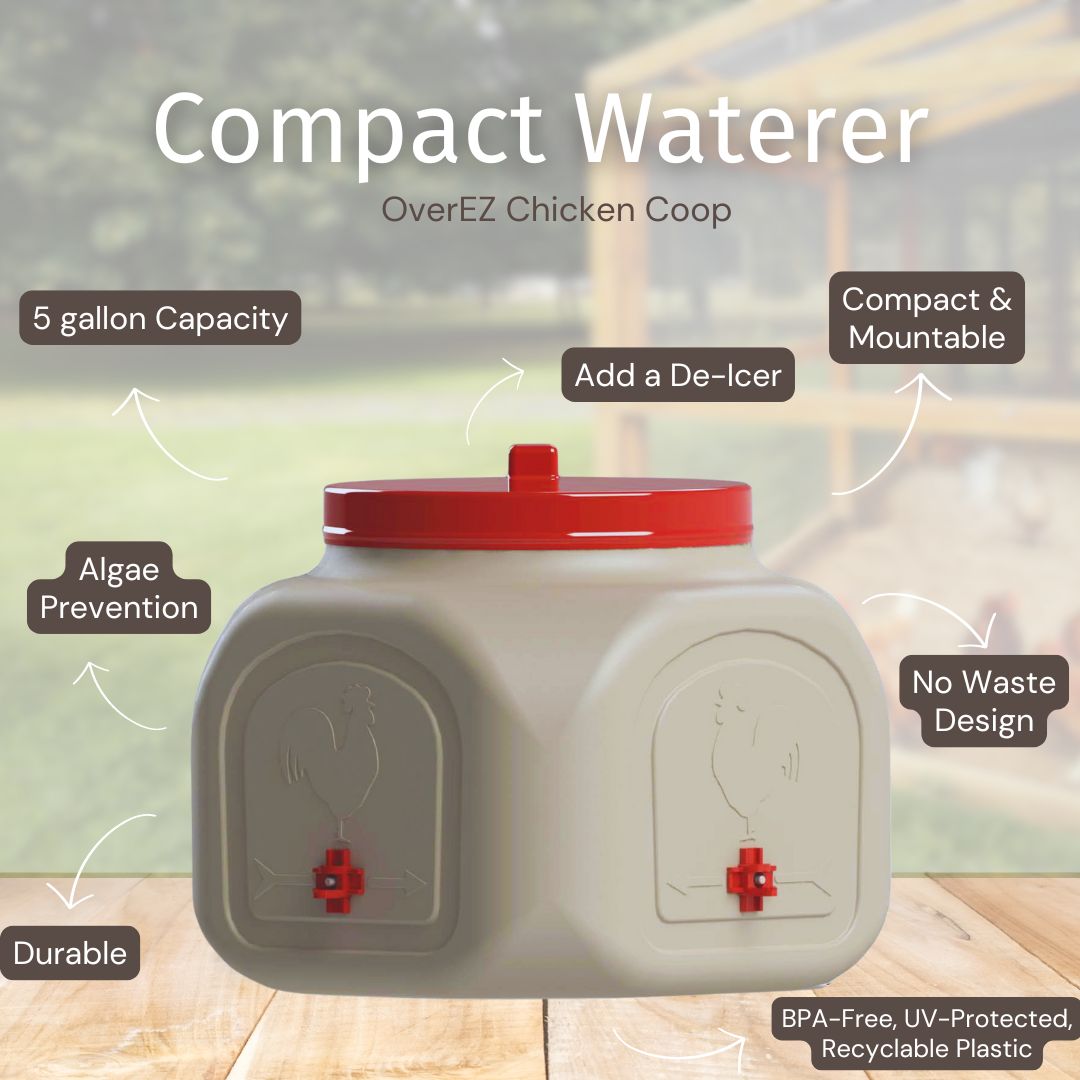
- Hydration upgrades: Compact, BPA-free designs à la OverEZ styles that minimize spills and algae growth. Tight gaskets and shaded placement make a noticeable difference.
- Heat-smart flock choices: Research breeds that perform in heat with Heat-Resistant Chicken Breeds 2025.
Homesteading Families
For households optimizing for resilience, gifts that extend equipment life and reduce waste go far. It’s the practical luxury of tough, well-finished fabric that never pills.
- Cleaning and maintenance kits: Under-$50 care items that make gear last. Include brushes that reach seams, a scraper that won’t gouge, and spare seals for waterers.
- Shade and cooling: Simple strategies and add-ons informed by Sustainable Hot Climate Practices.
- Breed literacy: Picking the right breeds pays dividends in feed efficiency and comfort. See News for updates and guides.
Kids and Education
Hands-on projects build lifelong interest. Under $50, aim for science-forward, observation-based gifts that are safe and simple—like giving a child a beautifully sewn pocket square that sparks conversations about color, pattern, and care.
- Observation tools: Egg candling as a concept, basic note-taking, and simple habitat logs. Pair a small notebook with a gentle egg holder to encourage careful handling.
- Quail starter literacy: Smaller footprint, faster life cycle. Start learning with All About Quail – For New Owners and Quail Nutrition Essentials.




Arizona/Southwest: Heat-Smart Picks Under $50
Heat defines design decisions. Prioritize anything that keeps water cooler, prevents spoilage, or increases airflow. Picture the “linen suit” of chicken gear—lighter, breathable, and still impeccably constructed.
- Hydration optimization: Compact, sealed designs reduce contamination; parts should be easy to detach and rinse. For layout ideas, see Southern Climate Housing Solutions.
- Shade strategies: Removable shade cloths, angled placements, and ventilation paths that decrease radiant heat in the coop. Light-colored or reflective surfaces stay cooler.
- Feed protection: Lids that stay secure in wind and heat; smooth interior surfaces that resist caking. Keep containers shaded and off hot ground to reduce spoilage.
- Routine cadence: Incorporate quick, daily micro-cleaning to keep equipment “tailored” to high temps—fewer big cleanouts, more consistent light maintenance.
Craftsmanship Counts: Lessons from Luxury Tailoring
Great chicken gear under $50 takes cues from luxury suits. Consider these checkpoints (the coop equivalent of checking lapels, canvassing, and pick stitching):
- Seam integrity: On plastic/molded parts, look for clean joining lines without thin spots; on metal, look for even welds and well-applied finishes.
- Hardware quality: Hinges, hooks, and fasteners should feel steady, not wobbly. Powder-coated surfaces resist rust; BPA-free plastics resist brittle cracking.
- Ergonomic “fit”: Is the handle centered? Does the piece rest flat on a surface? Are access points sized for real hands/gloves?
- Maintenance profile: The best “wardrobe staples” in poultry care are easy to clean quickly and thoroughly. Parts should separate without tools and reseat securely.
How to Choose by Use Case (Under $50)
Egg Collection and Handling
- Gentle carry: Smooth surfaces and rounded corners protect shells. Breathable baskets prevent moisture buildup on warm days.
- Fast access: If you’re inspired by Hen Gear tray concepts, prioritize layouts that let eggs roll away from the nesting field to reduce breakage.
Watering and Feeding
- Fit to flock size: Smaller setups can be upgraded under $50 with better seals or small add-ons. Choose lids that lock positively and ports that don’t drip.
- Heat resilience: BPA-free plastics and shaded placement maintain quality; see hydration ideas tied to Hot Weather Health & Nutrition.
Coop Comfort and Cleanliness
- Daily maintenance tools: Brushes and scrapers with smooth edges are safer and faster on delicate surfaces. Long handles help reach corners without disassembly.
- Ventilation aids: Strategic openings, plus shade add-ons, make a noticeable difference. Keep pathways for cross-breezes clear of clutter.
Quail-Focused Gifts
For small-footprint homesteads, quail care can be an engaging, budget-friendly path. Under $50, focus on literacy and small accessory upgrades. To learn the baseline, bookmark:

Beginner vs. Experienced: Where to Spend Under $50
Beginners should focus on solid basics: reading, small tools, and hydration add-ons. Experienced keepers benefit from specialized items that remove friction—better nest layouts, easier cleaning, and add-ons that fine-tune coop conditions. Think of it as building a wardrobe: start with the dependable navy blazer, then add precise, Italian-crafted accessories that elevate performance.
- Beginners: choose versatile, easy-clean tools and learning resources. Fewer parts, clear instructions, and durable finishes help build good habits.
- Experienced: target pain points—faster egg collection, cleaner hydration, and smarter ventilation. Look for upgrades that integrate with existing setups.
Arizona Timing and Gifting Tips
- Plan ahead for heat: Consider gifts that can be used immediately to improve hydration and shade strategies. Lighter colors and shaded placement pay off quickly.
- Holiday shipping: To meet most carriers’ cutoff windows, aim to order by mid-December.
- Add a personal note: Include a printed checklist from Chick Care or a link to a relevant guide to help the recipient hit the ground running.
Quality Markers You Can See and Feel
Below $50, it’s still possible to spot superior workmanship—just like running your fingers over a fine wool blend or checking pattern alignment on a tailored jacket:
- Finish consistency: Even color, no chalky residue, and no thin or overly glossy patches that crack in heat.
- Edge treatment: Rounded, deburred edges outlast sharp, flashing-prone parts, especially in high-heat cycles.
- Balanced design: When set down, items rest flat and feel stable. Lids should meet evenly without “rocking.”
- Modular parts: If something’s made to disassemble for cleaning, pieces should click together confidently and come apart without prying.
Breeds, Climate, and Why They Matter to Gifting
Breed choice intersects with gift value because it affects daily workload and environmental controls. For hot-climate owners, selecting heat-ready breeds reduces stress and makes smaller, smarter gear more effective. That’s why breed education pairs well with budget-friendly gifts.
Learn which breeds thrive in the Southwest here: Heat-Resistant Chicken Breeds 2025.
Quail vs. Chickens: A Small-Footprint Angle
Quail systems can be compact, clean, and approachable—which makes quail education a compelling under-$50 gift theme. Hatching Time-style cages demonstrate how engineering and materials improve daily life at small scale. Pair reading with a small accessory or cleaning tool for a complete, under-budget gift that feels “tailored.”
Start here: All About Quail – For New Owners and Quail Nutrition Essentials.
Under-$50 Gift Ideas, Organized by Goal
Save Time
- Ergonomic collection tools with smooth edges
- Quick-clean brushes and scrapers
Improve Comfort
- Shade strategies and airflow tweaks
- Small roost refinements for better perching
Boost Hydration Reliability
- Compact BPA-free hydration accessories
- Sealed lids and easy-to-detach components
Teach and Inspire
- Guides and checklists for new keepers
- Observation-led projects for kids
Put It All Together
Thoughtful gifts under $50 live at the intersection of function and finish. Whether you’re buying for a first-time keeper in Phoenix or a seasoned homesteader managing a mixed flock, prioritize pieces that feel like a well-made jacket: balanced, cleanly finished, and sized for the task. Education and small system upgrades pay off immediately; in hot climates, hydration reliability and shade strategies are non-negotiable. Use the resources throughout this guide to identify the right “fit,” then deliver it with a simple note about how to use it on day one.
For more flock-first guidance, browse these internal resources:


